Tap card to flip
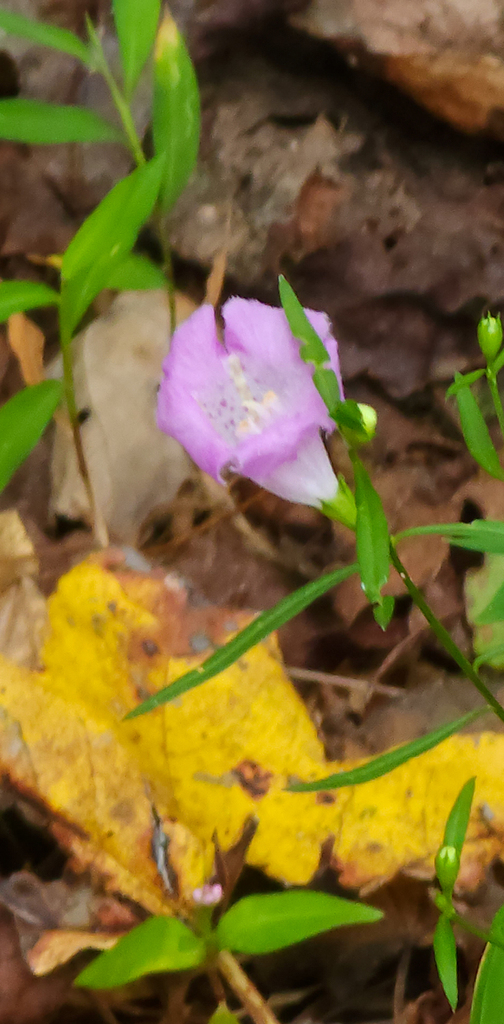



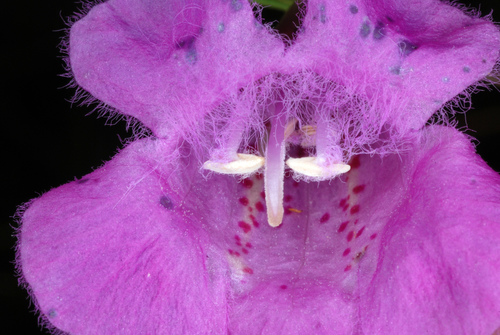
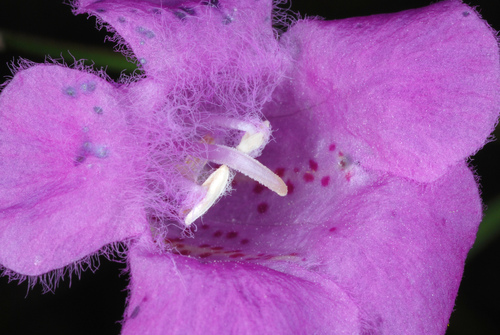
Purple False Foxglove
Agalinis purpurea
PerennialPurple False Foxglove
Agalinis purpurea
Tap to flip backGrowing Conditions
 Light
Sun – Part Shade
Light
Sun – Part Shade
 Water
Moist – Medium
Water
Moist – Medium
 Soil
Sandy
Soil
Sandy
 Size
1-3'
Size
1-3'
 Bloom
Pink-Purple, Aug–Oct
Bloom
Pink-Purple, Aug–Oct
Why Grow It

Pollinator Magnet
Attracts many types of pollinators

Late Bloomer
Provides nectar when others have faded

Self-Seeding
Returns each year from dropped seeds
Did You Know?
Purple False Foxglove is hemiparasitic — it taps into the roots of neighboring grasses using specialized structures called haustoria, stealing nutrients while still photosynthesizing on its own.
Each individual flower lasts only a single day, but the plant produces a continuous succession of blooms over several weeks.
It is a larval host plant for the Common Buckeye butterfly, whose caterpillars feed on the foliage.
Wildlife Value
🐝
Bumblebees
Primary pollinators of tubular pink-purple flowers
🦋
Common Buckeye
Caterpillars feed on foliage
🪰
Syrphid Flies
Feed on pollen from late-season blooms
Good Companions
🌾 Little Bluestem
🌼 Stiff Goldenrod
💜 New England Aster
🌿 Switchgrass
Planting Guide
- Sow seed on moist, open ground in fall for stratification.
- Needs grass roots nearby; it is hemiparasitic on grasses.
- Do not fertilize; thrives in lean, sandy or acidic soils.
Plant Details
Made with ♥ by Lu Li