Tap card to flip
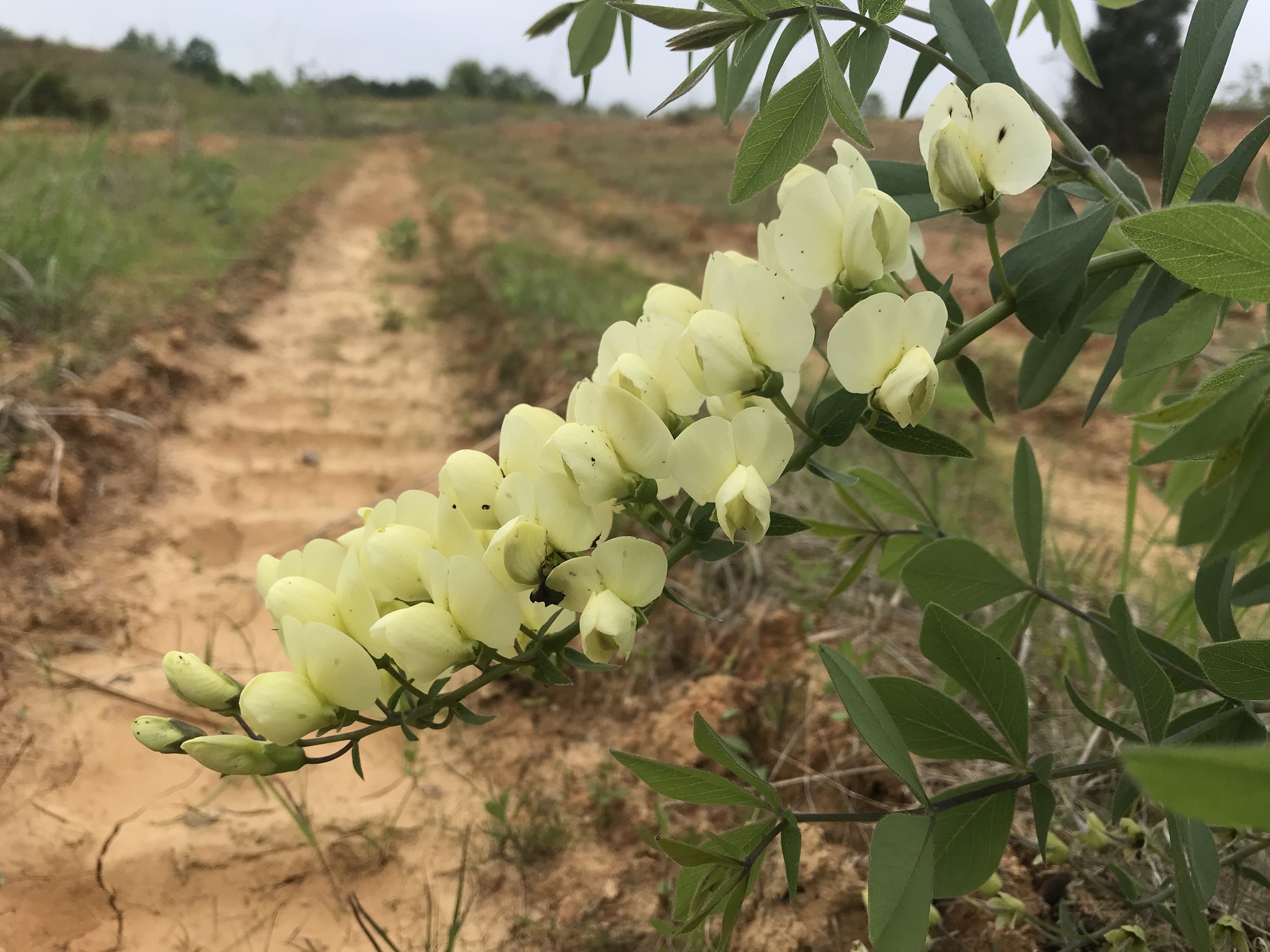



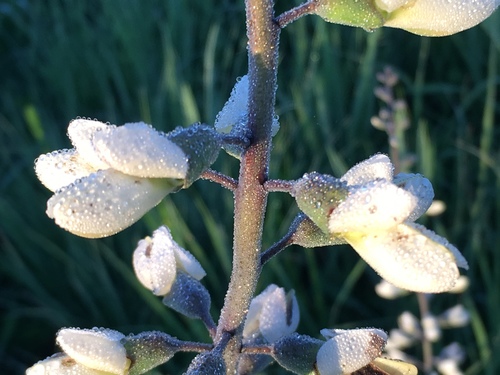
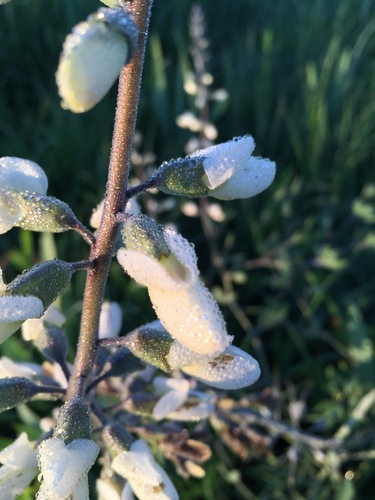
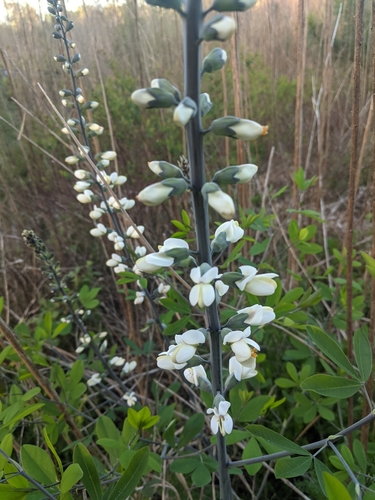
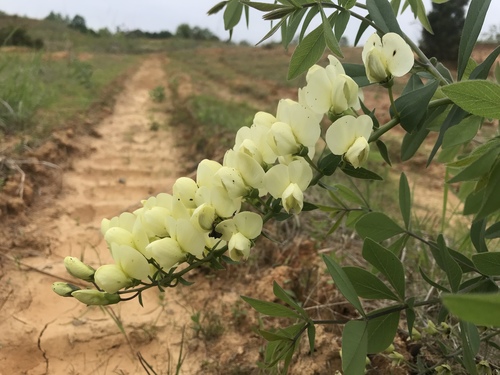
White Wild Indigo
Baptisia alba
PerennialWhite Wild Indigo
Baptisia alba
Tap to flip backGrowing Conditions
 Light
Full Sun
Light
Full Sun
 Water
Dry – Medium
Water
Dry – Medium
 Soil
Clay
Soil
Clay
 Size
2-4'
Size
2-4'
 Bloom
White, May–Jul
Bloom
White, May–Jul
Why Grow It

Deer Resistant
Great for gardens without fencing
Drought Tolerant
Thrives with little water once established
Caterpillar Host
Feeds caterpillars of native moths & butterflies
Did You Know?
White Wild Indigo is a classic 'clay buster' — its powerful roots can penetrate and break up the toughest clay soils, improving drainage for surrounding plants.
The plant spends its first few years building an enormous root system underground before producing significant top growth — patience is rewarded with decades of reliable blooms.
It is a host plant for the Wild Indigo Duskywing skipper, Orange Sulphur, and Clouded Sulphur butterflies, whose caterpillars feed on the foliage and seed pods.
Wildlife Value
🐝
Bumblebees
Queen and worker bees pollinate white flower spikes
🦋
Wild Indigo Duskywing
Larvae feed on leaves and flower buds
🦋
Frosted Elfin
Rare butterfly whose caterpillars eat flower buds
Good Companions
🌸 Shooting Star
🌼 Stiff Coreopsis
🌿 Culver's Root
💜 Ironweed
Planting Guide
- Plant in full sun in average, well-drained soil.
- Space 3 feet apart; develops a deep taproot over time.
- Scarify or nick seed coat before sowing for best germination.
Heads Up

Toxic to Humans
Keep away from children
Plant Details
Made with ♥ by Lu Li