Tap card to flip
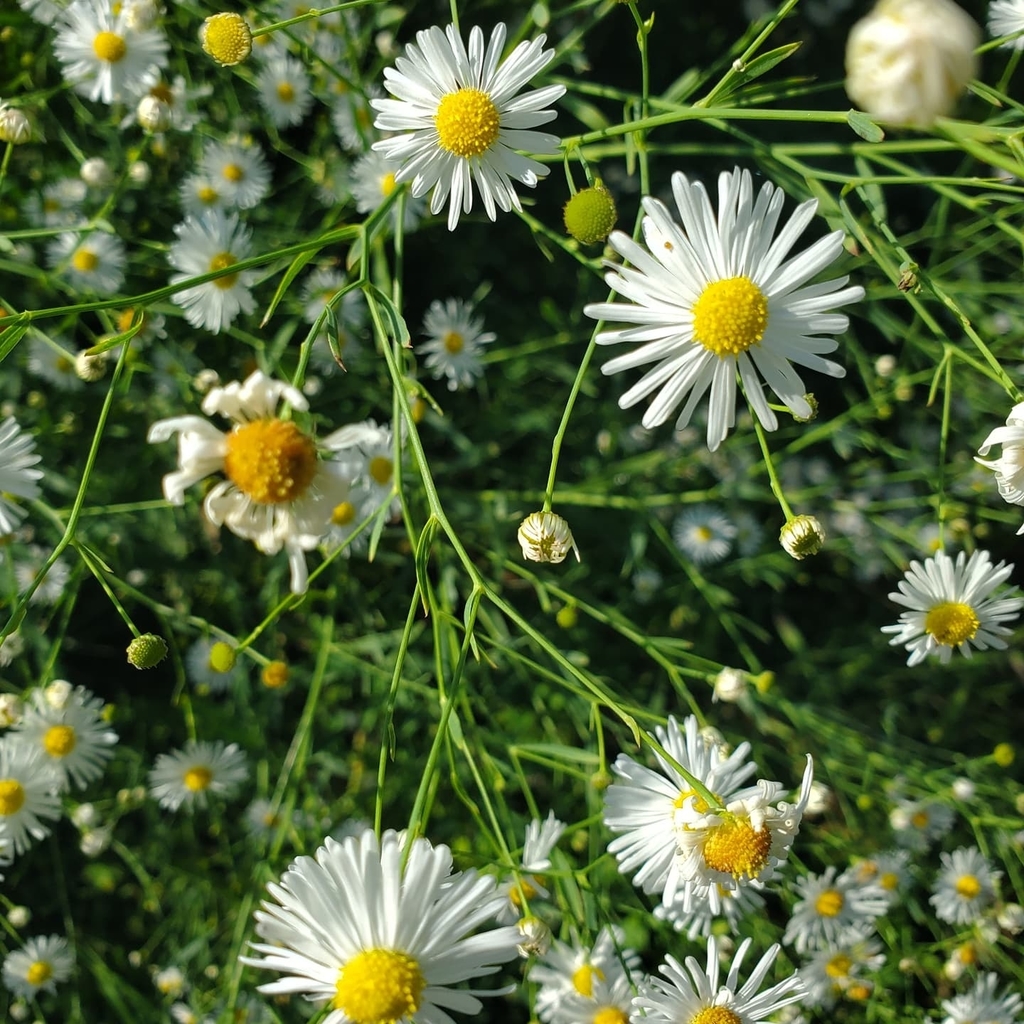

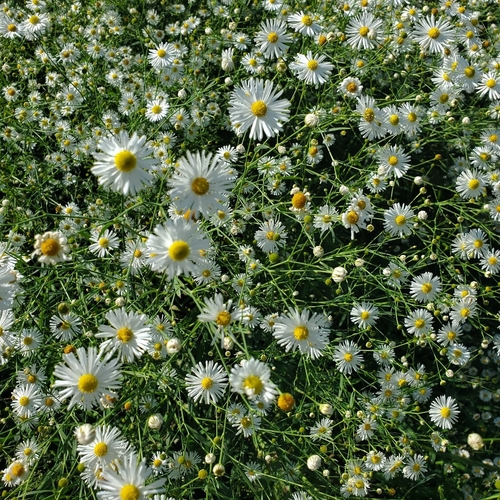
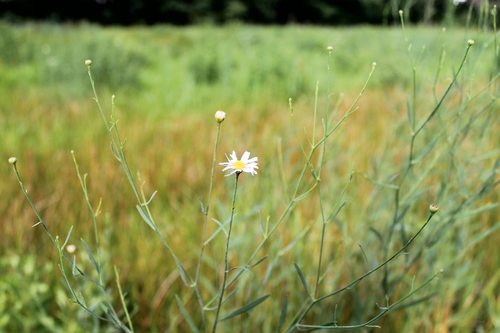
False Aster
Boltonia asteroides
PerennialFalse Aster
Boltonia asteroides
Tap to flip backGrowing Conditions
 Light
Full Sun
Light
Full Sun
 Water
Moist – Medium
Water
Moist – Medium
 Soil
Any
Soil
Any
 Size
4-6'
Size
4-6'
 Bloom
White, Aug–Oct
Bloom
White, Aug–Oct
Why Grow It

Pollinator Magnet
Attracts many types of pollinators

Rain Garden
Thrives in wet areas & manages runoff
Late Bloomer
Provides nectar when others have faded
Fast Growing
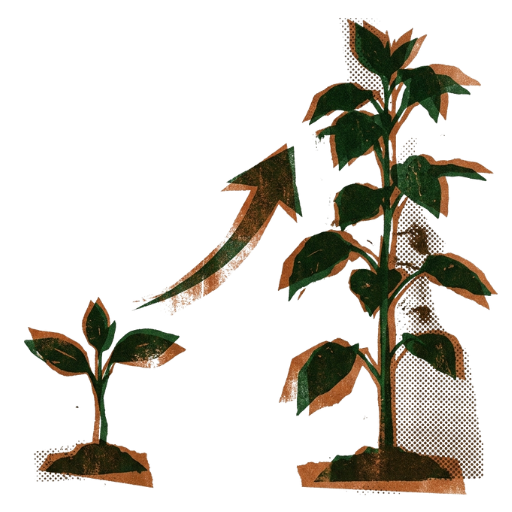
Establishes and fills in quickly
Did You Know?
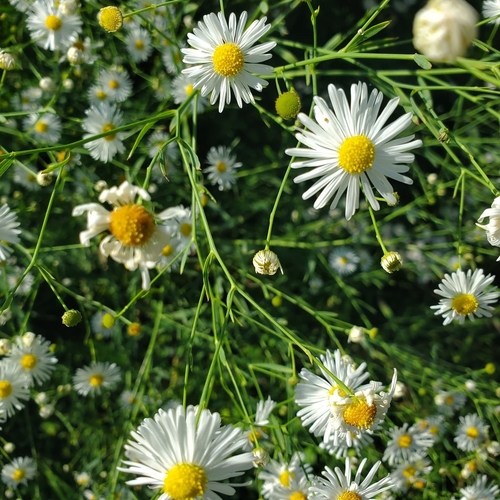
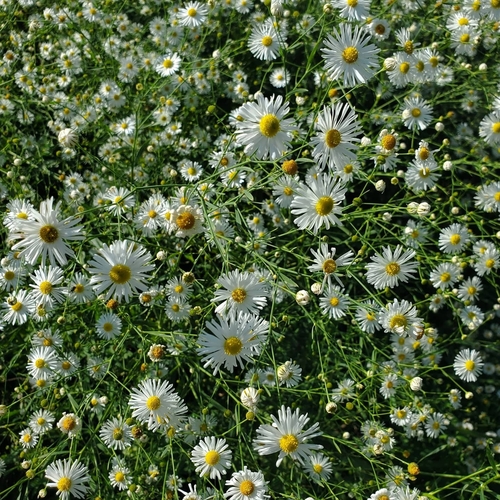
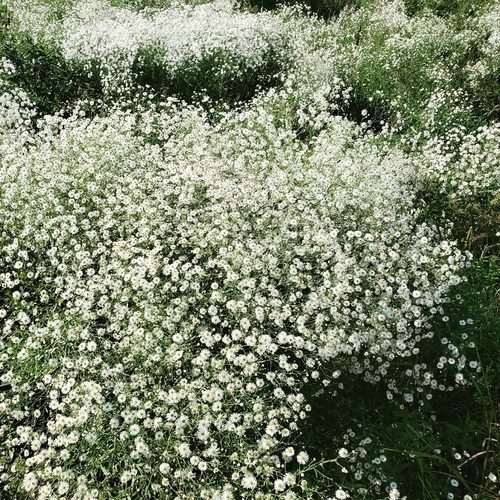
A single well-grown False Aster plant can produce hundreds of tiny daisy-like flowers simultaneously, creating a spectacular cloud of white blooms in the fall garden.
False Aster tolerates standing water for short periods, making it an outstanding choice for rain gardens and wet meadow plantings.
It attracts an incredibly diverse pollinator community including long-tongued bees, short-tongued bees, wasps, flies, skippers, moths, butterflies, and beetles — a true pollinator buffet.
Wildlife Value
🦋
Monarch Butterfly
Critical late-season nectar during fall migration
🐝
Long-horned Bees
Specialist bees visit daisy-like flower heads
🐝
Sweat Bees
Abundant visitors to fall-blooming flowers
Good Companions
🌼 Stiff Goldenrod
💜 New England Aster
🌸 Joe-Pye Weed
🌿 Switchgrass
Planting Guide
- Plant in full sun in moist to wet soil.
- Space 2–3 feet apart; can grow tall and bushy.
- Cut back by half in June for more compact fall bloom.
Plant Details
Made with ♥ by Lu Li