Tap card to flip
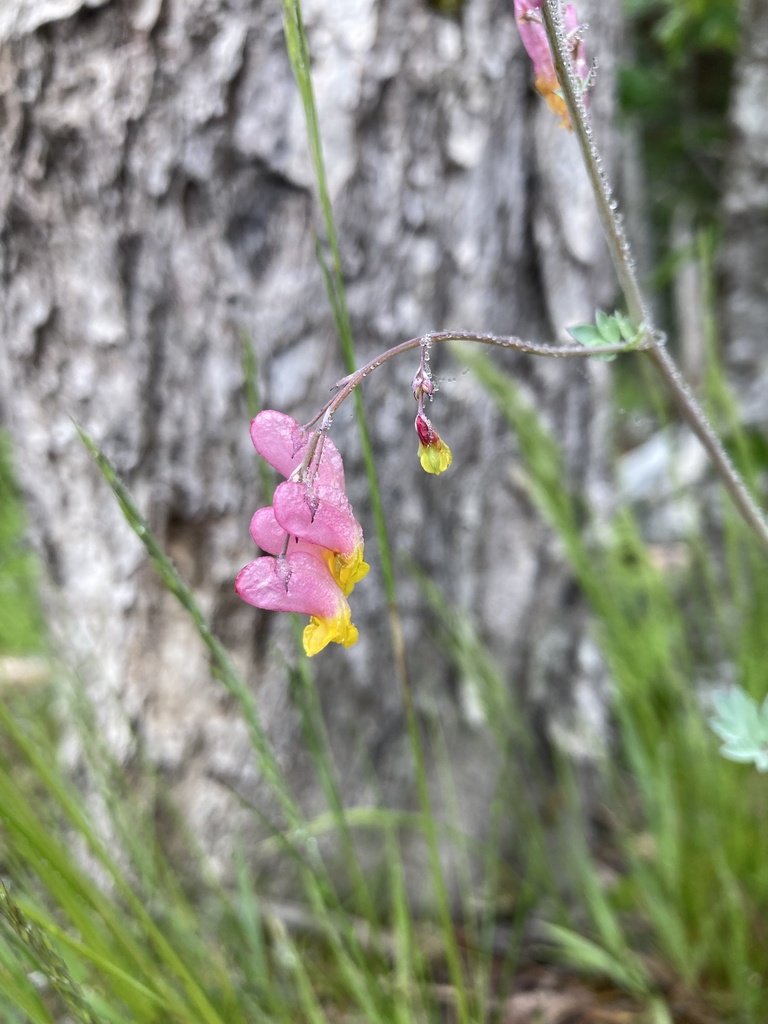




Pale Corydalis
Corydalis sempervirens
PerennialPale Corydalis
Corydalis sempervirens
Tap to flip backGrowing Conditions
 Light
Sun – Part Shade
Light
Sun – Part Shade
 Water
Dry
Water
Dry
 Soil
Sandy
Soil
Sandy
 Size
1-2.5'
Size
1-2.5'
 Bloom
Pink, May–Sep
Bloom
Pink, May–Sep
Why Grow It
Long Blooming
Flowers for many weeks through the season
Rock Garden
Thrives in rocky, well-drained spots

Self-Seeding
Returns each year from dropped seeds
Did You Know?
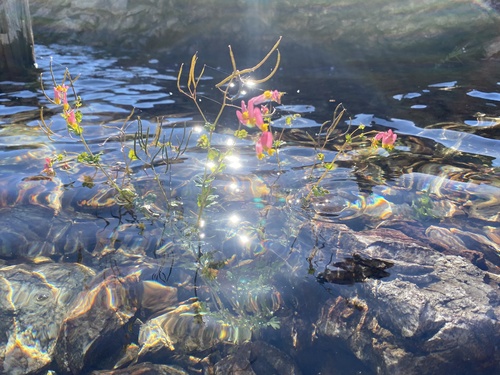
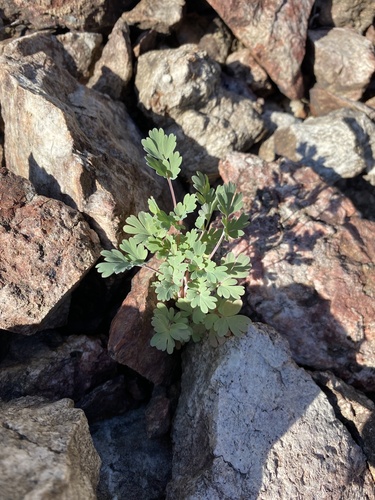
Also called Rock Harlequin, this plant specializes in colonizing bare rocky outcrops and thin soils where few other wildflowers can survive.
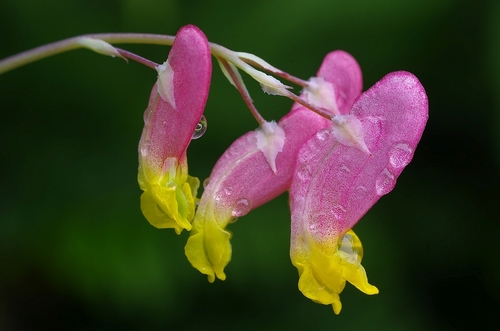
The flowers have a unique two-toned design — pink tubes with bright yellow tips — that makes them unmistakable in the wild.
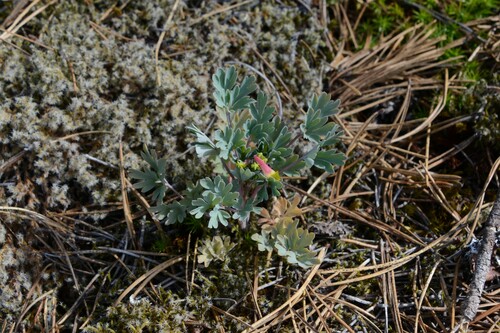
Despite its delicate appearance, Pale Corydalis is a tough pioneer species of acidic, gravelly sites and disturbed rocky areas.
Wildlife Value
🐝
Bumblebees
Primary pollinators of tubular pink flowers
🦋
Skipper Butterflies
Adults visit nectar-rich blooms
🐜
Seed-dispersing Ants
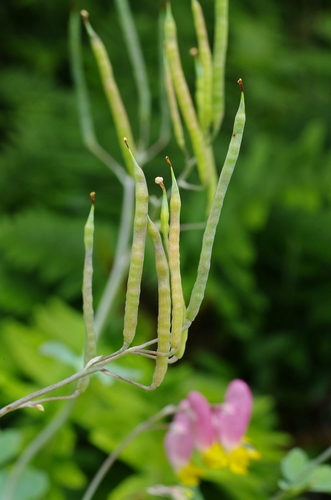
Carry elaiosome-bearing seeds to nests
Good Companions
🌸 Wild Columbine
💙 Harebell
🌿 Rock Cress
Planting Guide
- Scatter seed on rocky or gravelly soil in part shade.
- Thrives in disturbed, well-drained acidic sites.
- Biennial — let plants self-sow for continuous colonies.
Plant Details
Made with ♥ by Lu Li