Tap card to flip
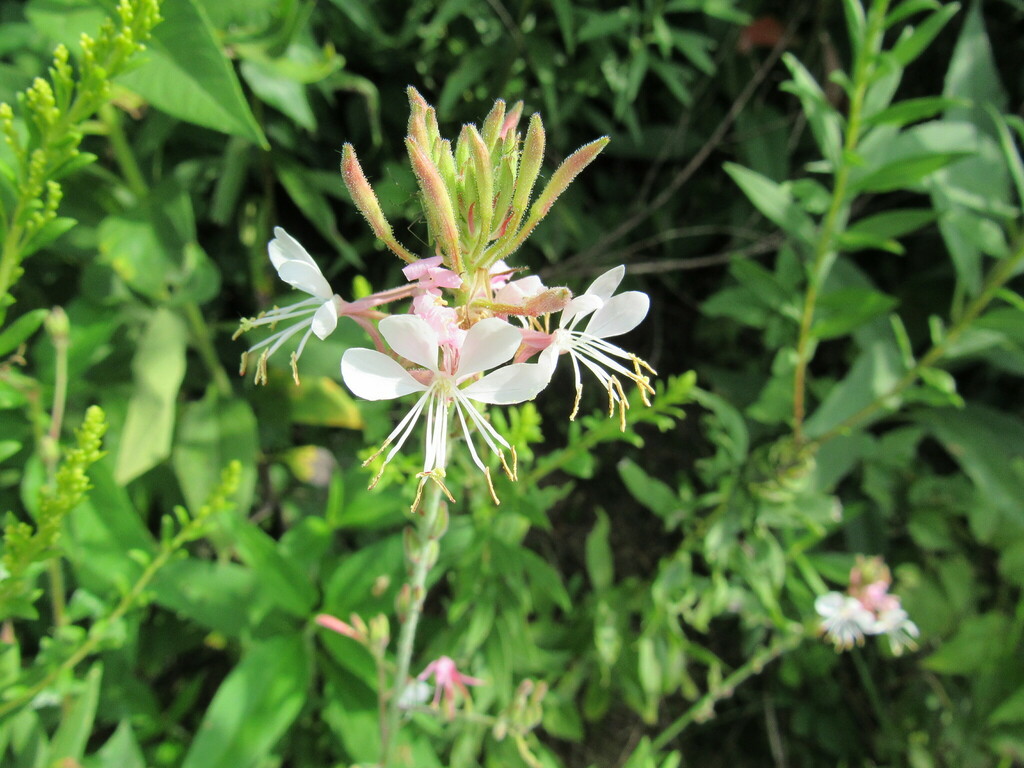


Biennial Gaura
Gaura biennis
PerennialBiennial Gaura
Gaura biennis
Tap to flip backGrowing Conditions
 Light
Sun – Part Shade
Light
Sun – Part Shade
 Water
Dry – Medium
Water
Dry – Medium
 Soil
Loam, Sandy
Soil
Loam, Sandy
 Size
4-6'
Size
4-6'
 Bloom
White to Pink, Jul–Oct
Bloom
White to Pink, Jul–Oct
Why Grow It

Pollinator Magnet
Attracts many types of pollinators

Self-Seeding
Returns each year from dropped seeds

Late Bloomer
Provides nectar when others have faded
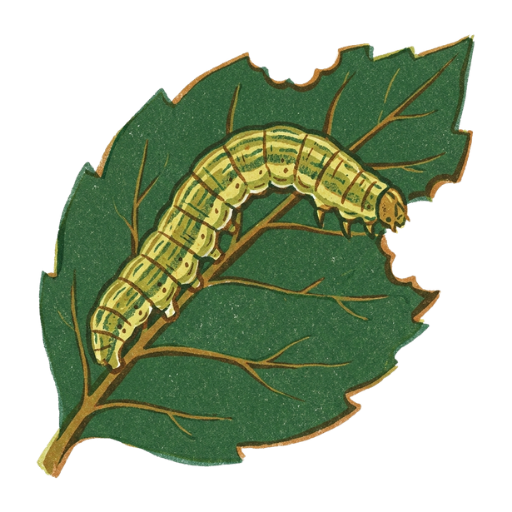
Caterpillar Host
Feeds caterpillars of native moths & butterflies
Did You Know?
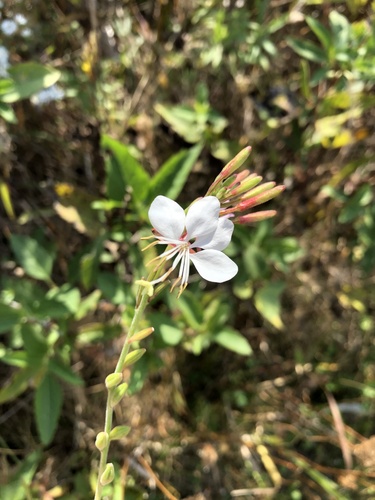
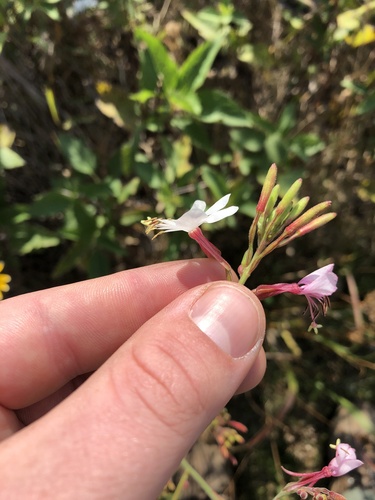
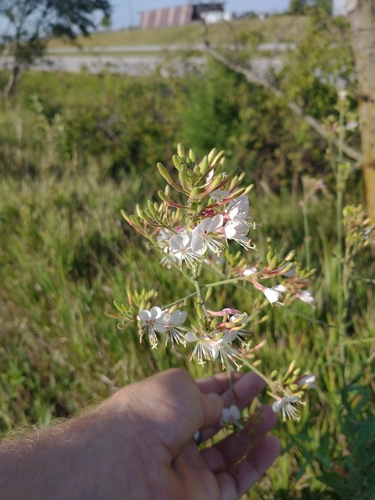
Flowers open in the evening and fade from white to pink as they age, sometimes turning deep reddish-pink.
Larvae of the Gaura Moth and Primrose Moth feed on the leaves and seeds, making it an important caterpillar host plant.
The plant puts on 4-6 feet of growth in its second year, then its fragile stems sway with even a gentle breeze to help scatter seeds.
Wildlife Value
🐝
Long-tongued Bees
Primary pollinators of delicate pink-white flowers
🦋
Gaura Moth
Larvae feed on leaves and developing seeds
🐦
Songbirds
Small birds eat seeds from dried stalks
Good Companions
🌾 Switchgrass
💜 Wild Bergamot
🌼 Black-eyed Susan
🌸 Purple Coneflower
Planting Guide
- Sow seed in fall on well-drained soil in full sun.
- Biennial: first-year rosette, second-year flowers at 4-6 ft.
- Allow plants to self-sow for a persistent colony.
Plant Details
Made with ♥ by Lu Li