Tap card to flip
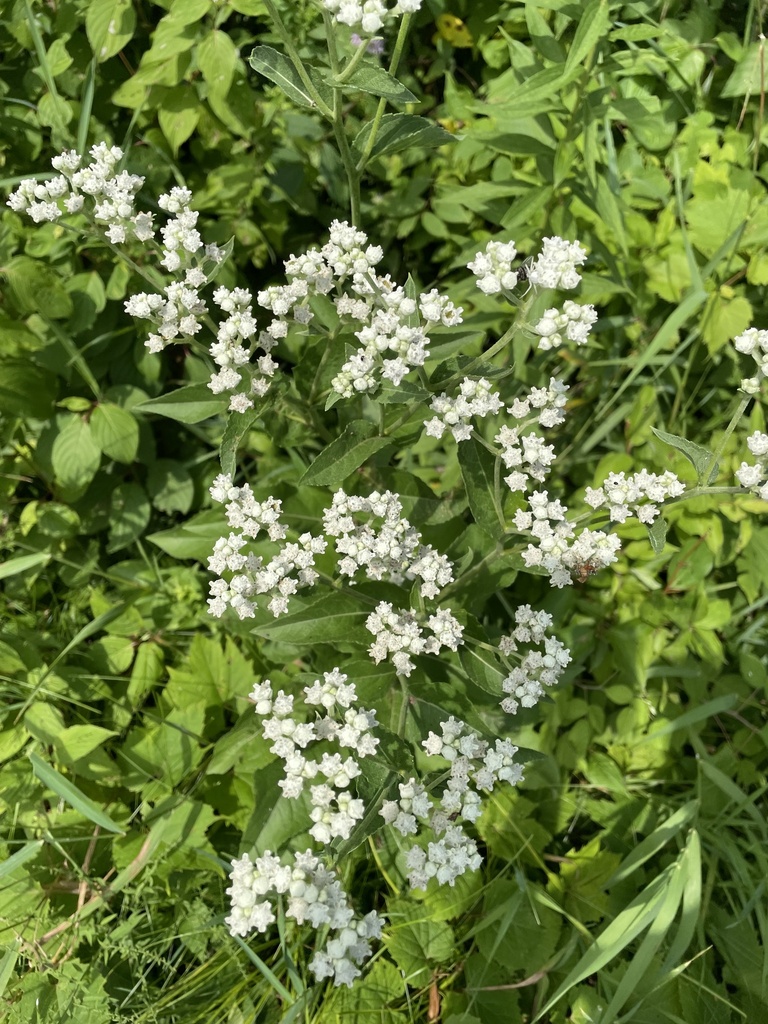
Wild Quinine
Parthenium integrifolium
PerennialWild Quinine
Parthenium integrifolium
Tap to flip backGrowing Conditions
 Light
Full Sun
Light
Full Sun
 Water
Dry – Medium
Water
Dry – Medium
 Soil
Loam
Soil
Loam
 Size
3-4'
Size
3-4'
 Bloom
White, Jun–Sep
Bloom
White, Jun–Sep
Why Grow It
Pollinator Magnet
Attracts many types of pollinators
Drought Tolerant
Thrives with little water once established
Deer Resistant
Great for gardens without fencing
Long Blooming
Flowers for many weeks through the season
Did You Know?
Early settlers used the plant as a substitute for quinine to treat fevers, giving it the common name Wild Quinine.
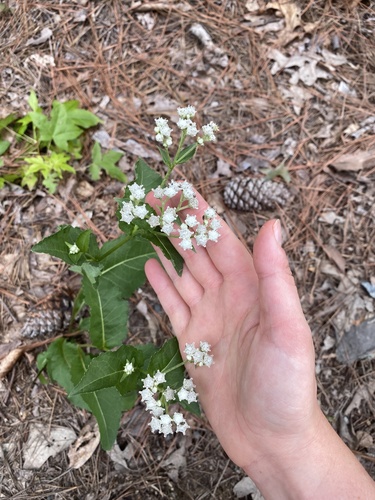
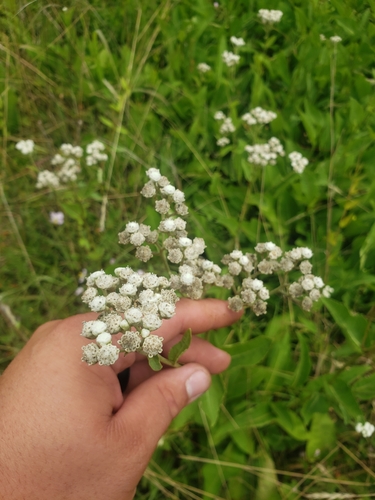
The dense, white flower clusters resemble miniature cauliflower heads and attract an unusually diverse mix of pollinators including bees, wasps, flies, and beetles.
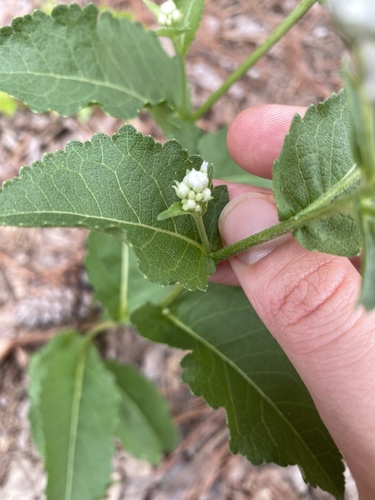
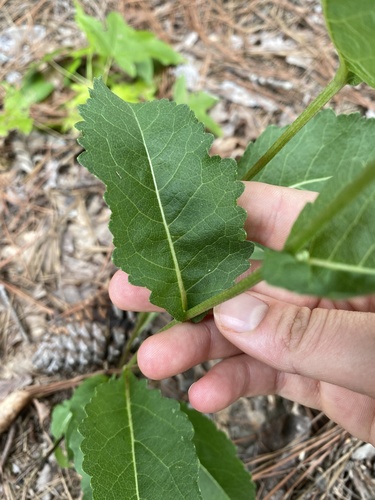
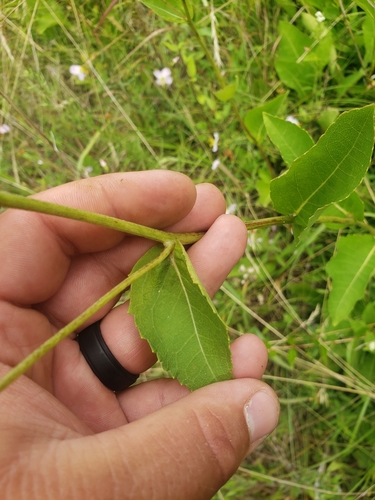
Its thick, deeply textured leaves and sturdy stems make it one of the most structurally robust prairie wildflowers, rarely needing staking.
Wildlife Value
🐝
Native Bees
Flat flower clusters attract many short-tongued bee species
🪲
Soldier Beetles
Gather on flower heads to feed on pollen and mate
🦋
Pearl Crescent Butterfly
Visits white flower clusters for midsummer nectar
Good Companions
💜 Prairie Blazing Star
🌾 Little Bluestem
💛 Yellow Coneflower
🌸 Wild Bergamot
Planting Guide
- Plant plugs in full sun in dry to medium well-drained soil.
- Space 18 inches apart; deep taproot makes it very drought-tolerant.
- Leave spent flower heads for winter interest and self-seeding.
Plant Details
Made with ♥ by Lu Li