Tap card to flip
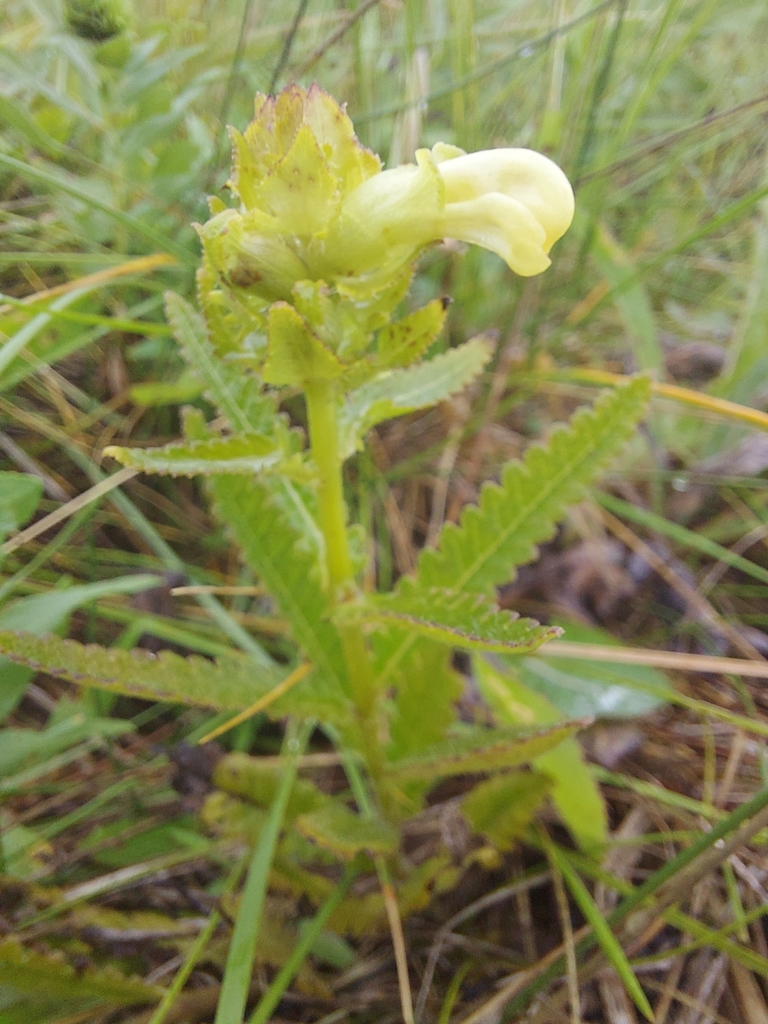
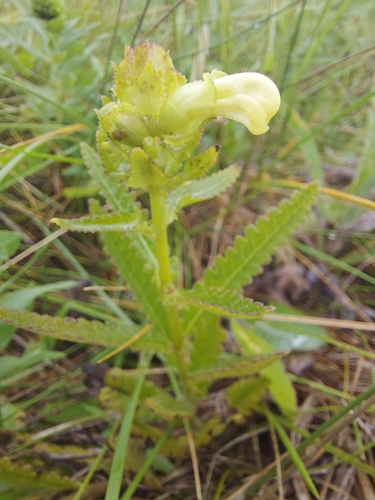
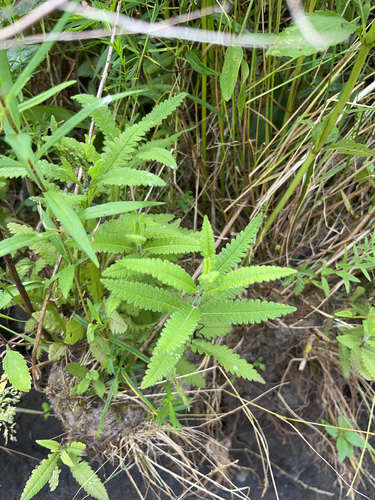
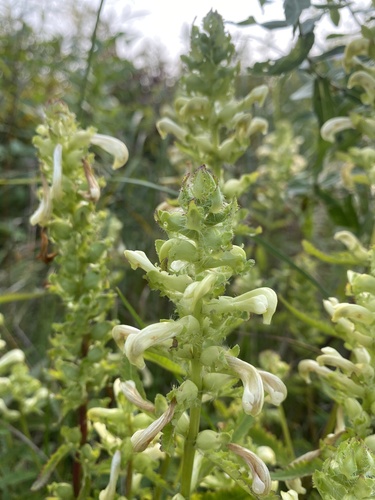
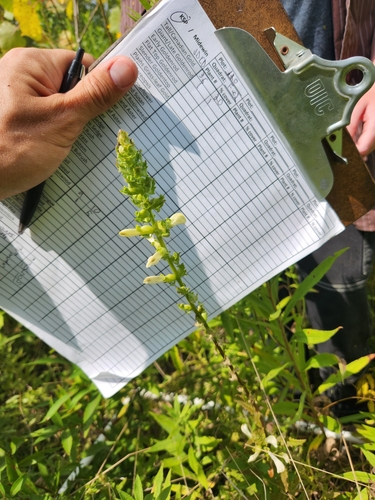
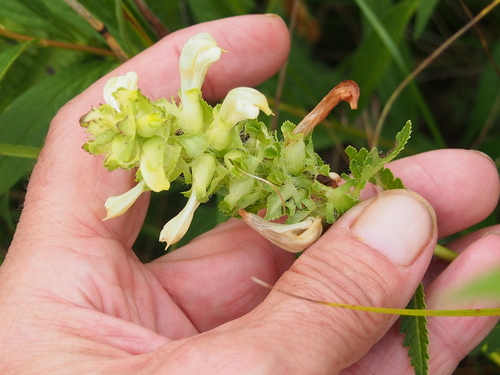
Swamp Lousewort
Pedicularis lanceolata
PerennialSwamp Lousewort
Pedicularis lanceolata
Tap to flip backGrowing Conditions
 Light
Sun – Part Shade
Light
Sun – Part Shade
 Water
Moist – Wet
Water
Moist – Wet
 Soil
Loam
Soil
Loam
 Size
1-3'
Size
1-3'
 Bloom
Yellow, Aug–Sep
Bloom
Yellow, Aug–Sep
Why Grow It

Rain Garden
Thrives in wet areas & manages runoff
Caterpillar Host
Feeds caterpillars of native moths & butterflies

Late Bloomer
Provides nectar when others have faded

Deer Resistant
Great for gardens without fencing
Did You Know?
Like its cousin Wood Betony, Marsh Betony is hemiparasitic — it taps into the roots of neighboring asters and grasses to supplement its nutrition.
It is a larval host plant for the Baltimore Checkerspot butterfly, whose caterpillars feed on its leaves.
Marsh Betony typically grows in alkaline wet meadows and fens with limestone-influenced soils, making it an indicator of high-quality wetland habitat.
Wildlife Value
🐝
Bumblebees
Work the hooded yellow flowers for nectar and pollen
🦋
Bog-dwelling Skippers
Use as nectar source in wet meadow habitats
🐛
Specialized Moths
Some moth larvae feed on Pedicularis species foliage
Good Companions
💙 Blue Vervain
🌸 Swamp Milkweed
🌾 Tussock Sedge
🌿 Boneset
Planting Guide
- Sow fresh seed in fall in wet calcareous meadow soil.
- Hemiparasitic; must be planted among grasses or sedges as hosts.
- Keep soil consistently wet; does not tolerate drought at all.
Plant Details
Made with ♥ by Lu Li