Tap card to flip
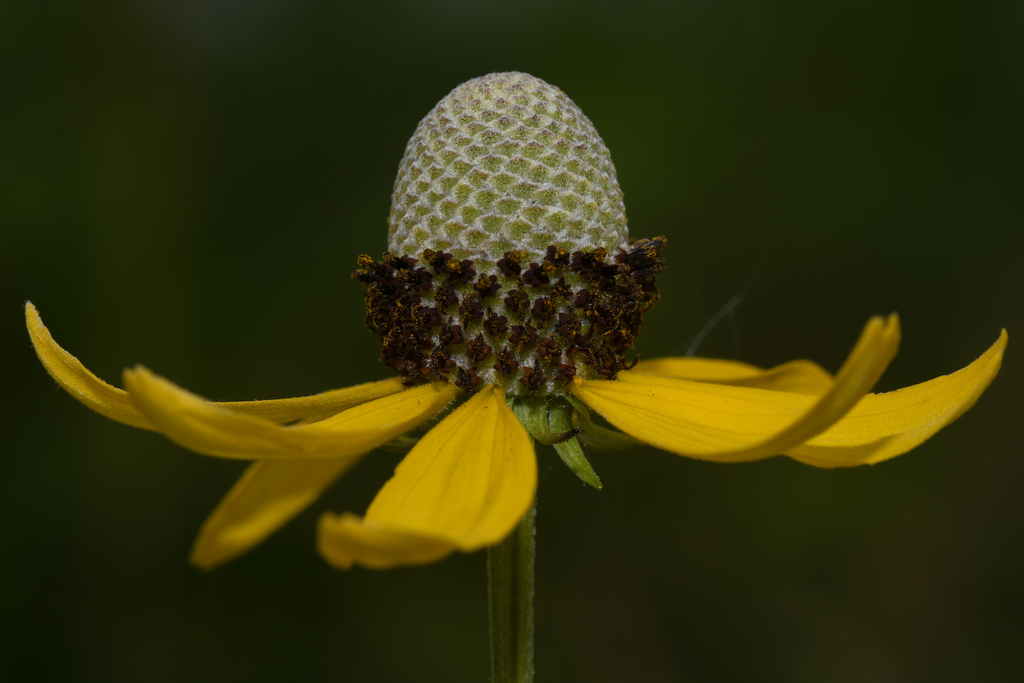

Yellow Coneflower
Ratibida pinnata
PerennialYellow Coneflower
Ratibida pinnata
Tap to flip backGrowing Conditions
 Light
Full Sun
Light
Full Sun
 Water
Dry – Medium
Water
Dry – Medium
 Soil
Any
Soil
Any
 Size
3-5'
Size
3-5'
 Bloom
Yellow, Jul–Sep
Bloom
Yellow, Jul–Sep
Why Grow It
Drought Tolerant
Thrives with little water once established

Pollinator Magnet
Attracts many types of pollinators
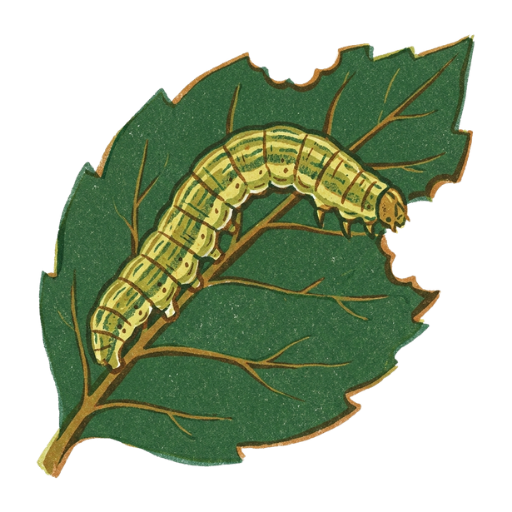
Caterpillar Host
Feeds caterpillars of native moths & butterflies
Did You Know?
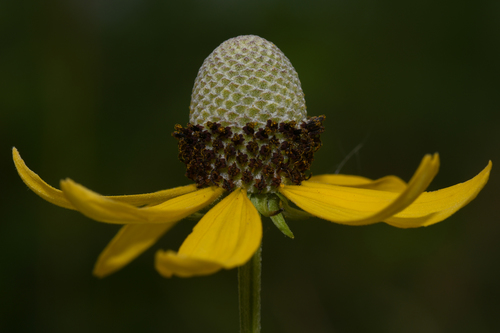
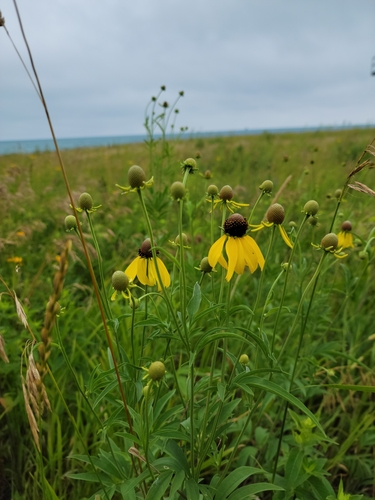
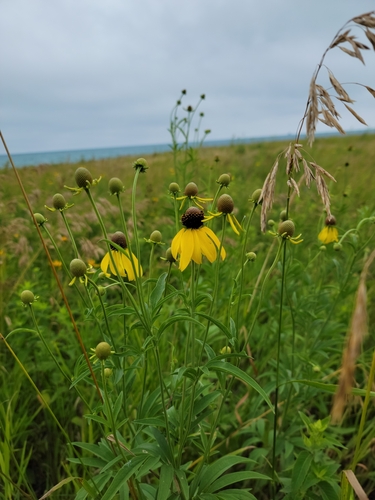
The drooping yellow petals and raised cone give it a distinctive 'shuttlecock' appearance unlike any other coneflower.
When crushed, the cone smells like anise — earning it the folk name 'prairie coneflower.'
Makes an excellent long-lasting cut flower that can persist in a vase for over a week.
Wildlife Value
🐝
Native Bees
Long bloom season supports many bee species midsummer
🐦
Goldfinch
Feeds on seeds from drooping cone heads in fall
🦋
Silvery Checkerspot Butterfly
Caterpillars feed on foliage of Ratibida species
Good Companions
🌸 Wild Bergamot
🌾 Big Bluestem
💜 Prairie Blazing Star
⚪ Wild Quinine
Planting Guide
- Sow seed in fall on soil surface; needs light and cold.
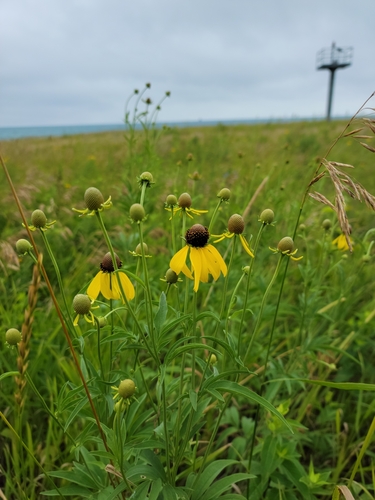
- Full sun in average to dry well-drained soil; tolerates clay.
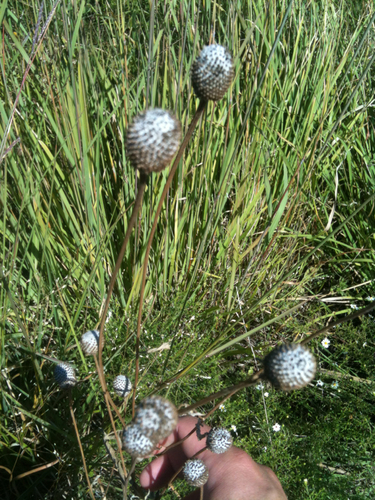
- Leave spent cones standing through winter for birds and reseeding.
Heads Up
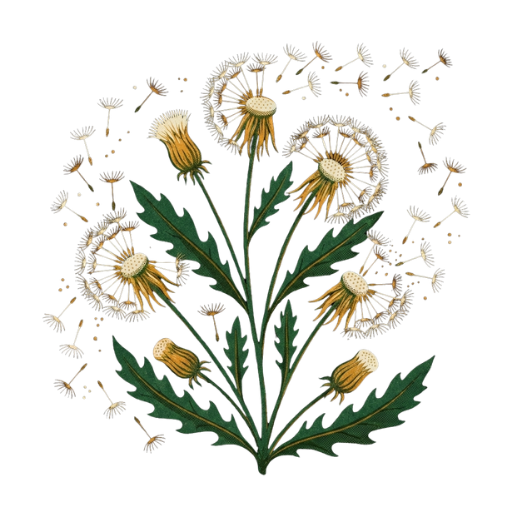
Spreads by Seed
Self-seeds freely; manage seedlings
Plant Details
Made with ♥ by Lu Li