This is a native plant, but it is not available in the 2026 Wild Ones plant sale.
Tap card to flip
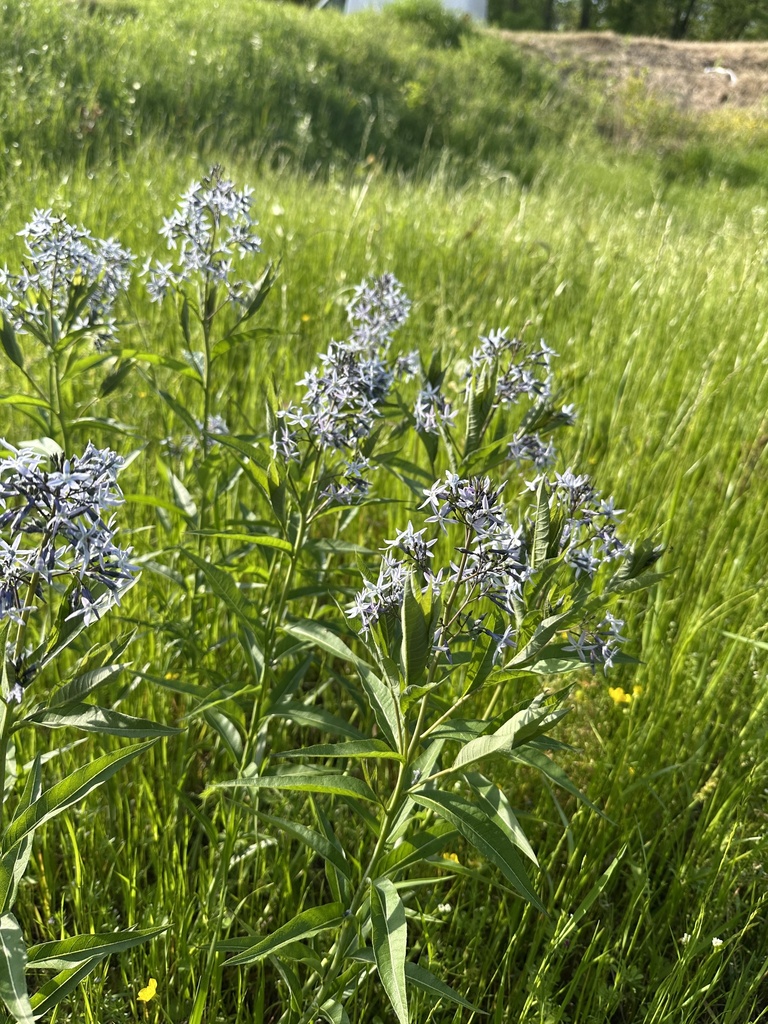



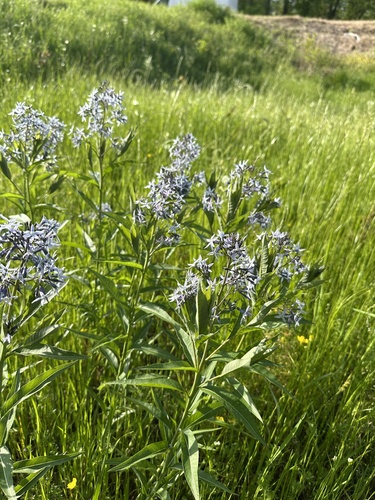
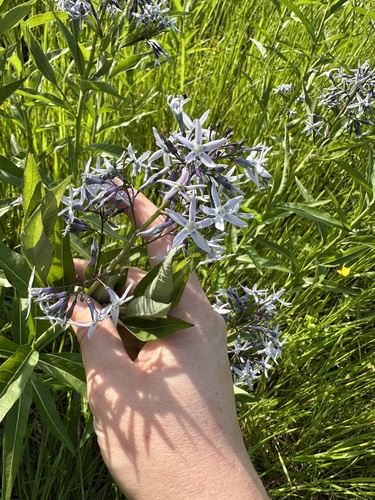
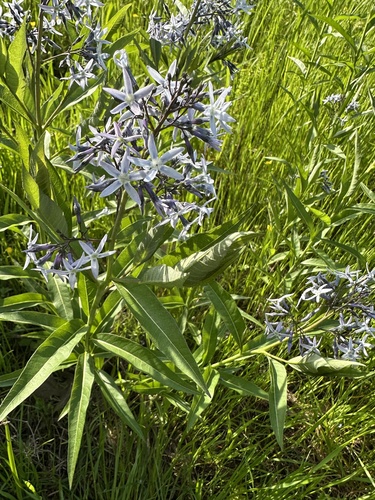
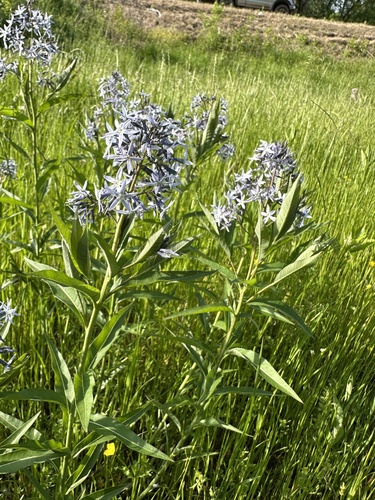
Eastern Bluestar
Amsonia tabernaemontana
PerennialEastern Bluestar
Amsonia tabernaemontana
Tap to flip backGrowing Conditions
 Light
Sun – Part Shade
Light
Sun – Part Shade
 Water
Medium
Water
Medium
 Soil
Loam
Soil
Loam
 Size
2-3'
Size
2-3'
 Bloom
Light Blue, Apr–May
Bloom
Light Blue, Apr–May
Why Grow It

Deer Resistant
Great for gardens without fencing
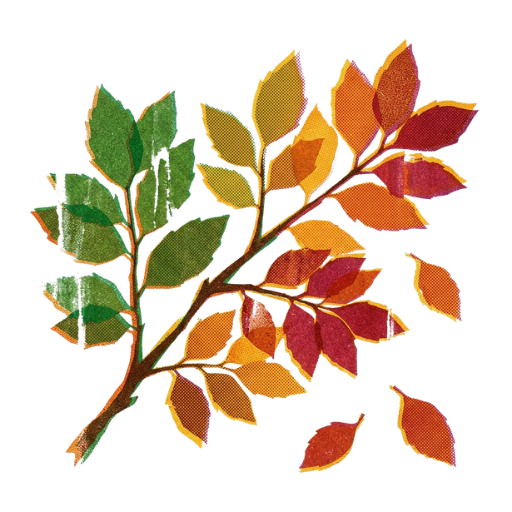
Fall Color
Showy autumn foliage adds seasonal color

Easy to Grow
Low maintenance & beginner friendly
Long Blooming
Flowers for many weeks through the season
Did You Know?
Eastern Bluestar gets more beautiful with age — mature clumps can form impressive 3-foot mounds that last for decades without division.
The willow-like foliage turns a stunning golden yellow in autumn, providing months of interest long after the spring flowers have faded.
Like its relative milkweed, it exudes a milky white sap when stems are broken, which deters deer and rabbits from browsing.
Wildlife Value
🦋
Snowberry Clearwing Moth
Larvae use this plant as a host
🐝
Carpenter Bees
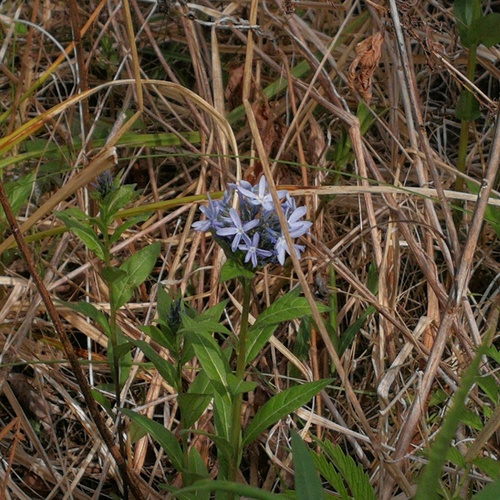
Pollinate clusters of pale blue star flowers
🐦
Hummingbirds
Visit spring blooms for nectar
Good Companions
🌸 Wild Geranium
💜 Blue Wild Indigo
🌼 Meadow Phlox
🌿 Hairy Beardtongue
Planting Guide
- Plant in full sun to part shade in average, moist soil.
- Space 2–3 feet apart; slow to establish but long-lived.
- Cut back by one-third after bloom for compact fall form.
Plant Details
Made with ♥ by Lu Li