Tap card to flip
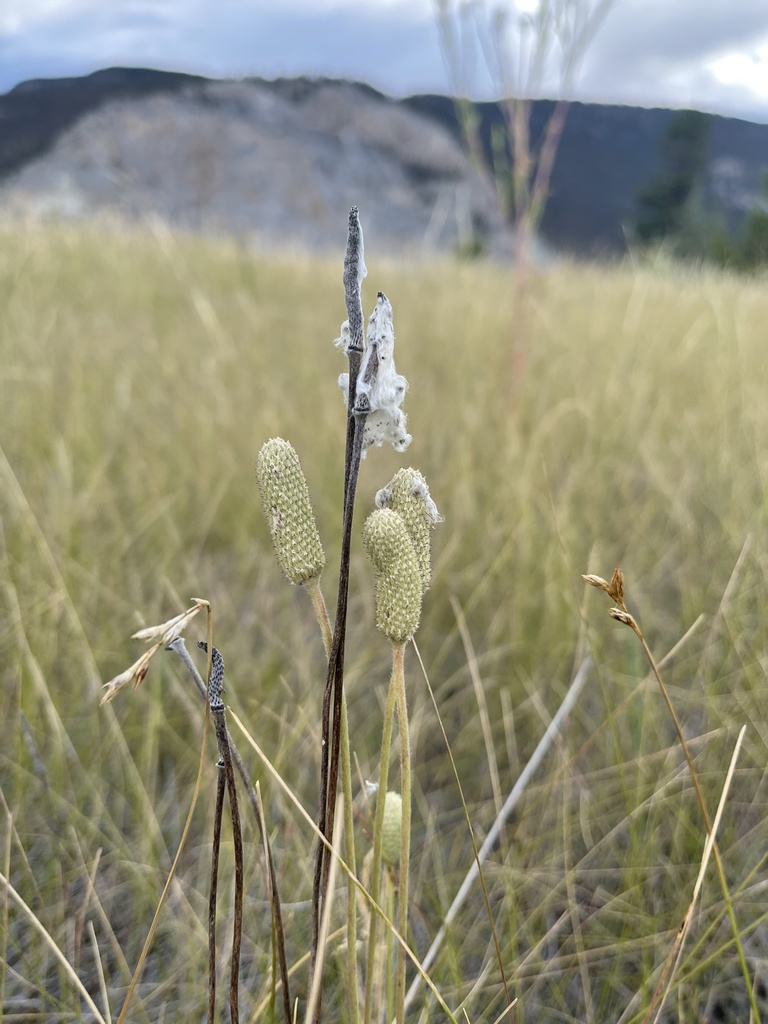


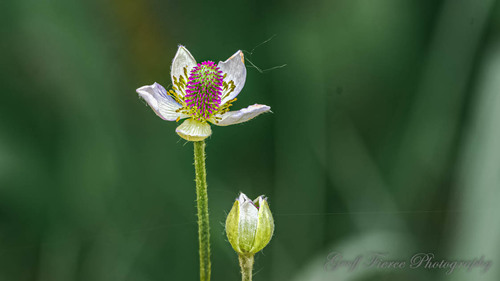
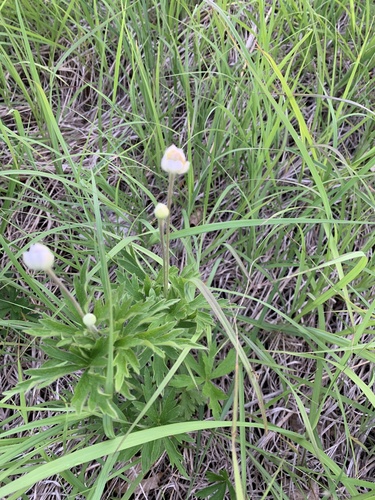
Thimbleweed
Anemone cylindrica
PerennialThimbleweed
Anemone cylindrica
Tap to flip backGrowing Conditions
 Light
Full Sun
Light
Full Sun
 Water
Dry – Medium
Water
Dry – Medium
 Soil
Sandy
Soil
Sandy
 Size
1-2'
Size
1-2'
 Bloom
White-Green, Jun–Aug
Bloom
White-Green, Jun–Aug
Why Grow It
Drought Tolerant
Thrives with little water once established

Winter Interest
Beautiful structure in the cold months

Deer Resistant
Great for gardens without fencing
Did You Know?
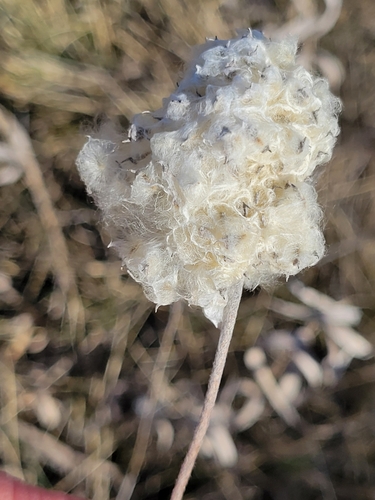
The plant gets its name from its cylindrical seed head that resembles a sewing thimble — it is narrower and more elongated than its cousin Tall Thimbleweed.
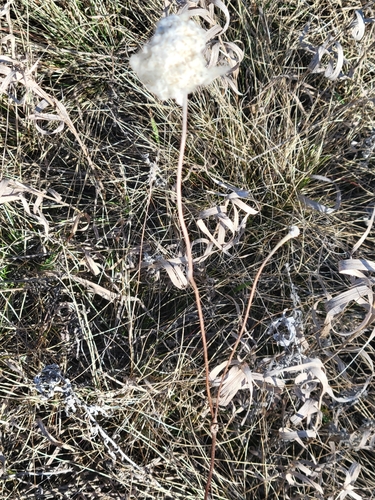
The fluffy seed heads persist through winter, adding texture to the dormant garden and providing nesting material for small birds.
Thimbleweed is specially valued by native bees as one of the earlier-blooming prairie wildflowers in dry, open habitats.
Wildlife Value
🐝
Small Native Bees
Collect pollen from white open flowers
🪰
Syrphid Flies
Visit flowers for pollen
🐦
Goldfinch
Uses cottony seeds as nesting material
Good Companions
🌼 Black-eyed Susan
🌸 Wild Bergamot
🌾 Little Bluestem
🌿 Butterfly Milkweed
Planting Guide
- Plant in full sun in dry to medium, well-drained soil.
- Space 12–18 inches apart; direct sow seed in fall.
- Tolerates poor soil and drought once established.
Heads Up

Toxic to Humans
Keep away from children
Plant Details
Made with ♥ by Lu Li