This is a native plant, but it is not available in the 2026 Wild Ones plant sale.
Tap card to flip
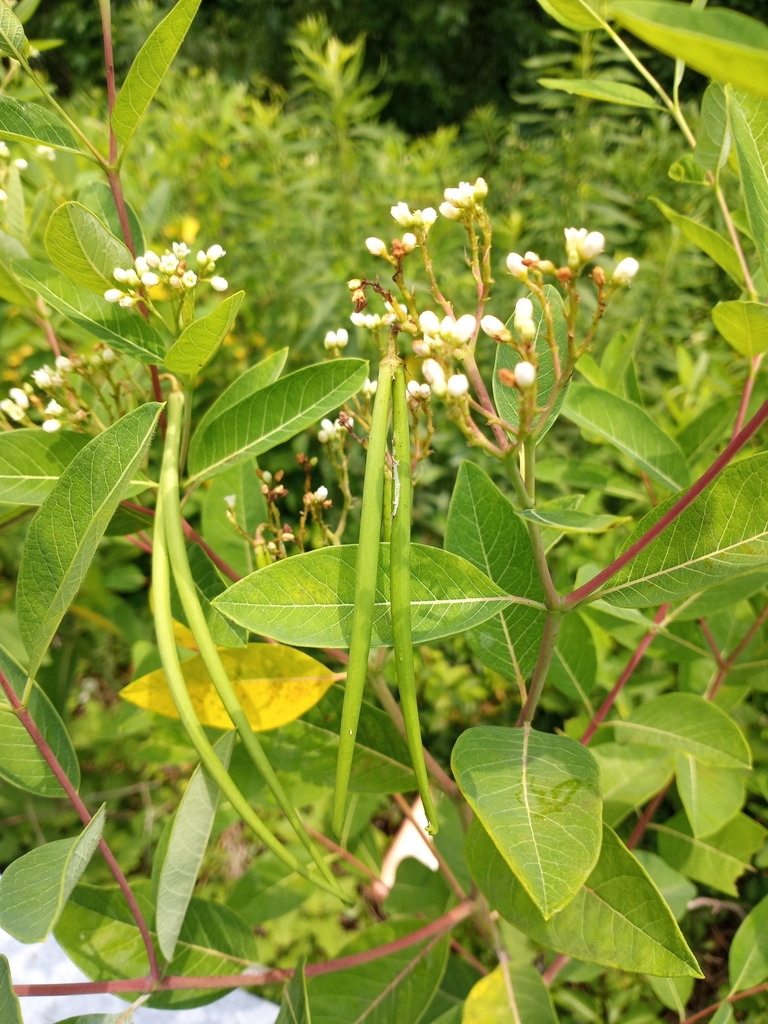


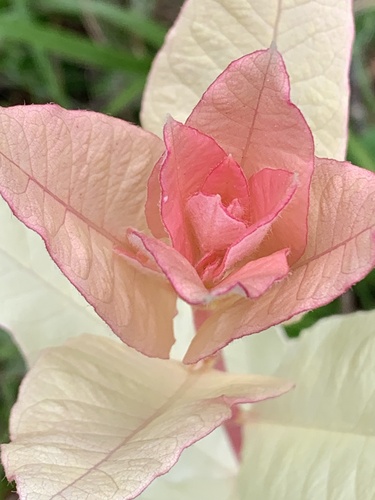
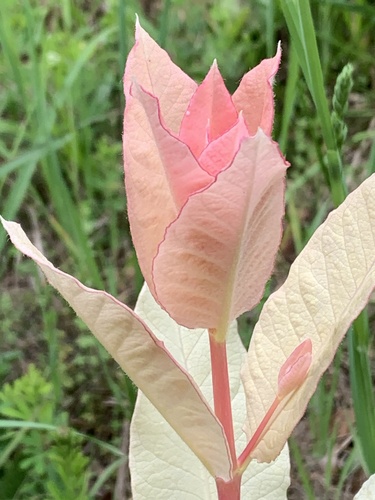
Dogbane
Apocynum cannabinum
PerennialDogbane
Apocynum cannabinum
Tap to flip backGrowing Conditions
 Light
Sun – Part Shade
Light
Sun – Part Shade
 Water
Dry – Medium
Water
Dry – Medium
 Soil
Sandy
Soil
Sandy
 Size
3-4'
Size
3-4'
 Bloom
White, Jun–Aug
Bloom
White, Jun–Aug
Why Grow It

Pollinator Magnet
Attracts many types of pollinators
Deer Resistant
Great for gardens without fencing
Did You Know?
Dogbane's strong stem fibers were so valued by Native Americans for making cordage, fishing nets, and textiles that the plant earned the name 'Indian Hemp.'
Despite being in the same family as milkweed, Dogbane is NOT a suitable host plant for Monarch caterpillars — females may lay eggs on it, but the larvae cannot survive on it.
The tiny white flowers are powerhouse nectar producers, attracting over 100 species of insects including specialized native bees, butterflies, and beetles.
Wildlife Value
🦋
Dogbane Tiger Moth
Caterpillars feed on toxic foliage
🦋
Snowberry Clearwing
Larvae use dogbane as a host plant
🐝
Stem-nesting Bees
Nest in hollow dead stems over winter
Good Companions
🌼 Wild Bergamot
🌸 Common Milkweed
🌿 Switchgrass
🌾 Big Bluestem
Planting Guide
- Plant in full sun in medium to dry soil.
- Space 18–24 inches apart; spreads by rhizomes.
- Allow room to colonize; good for meadow edges.
Heads Up
Toxic to Humans
Keep away from children
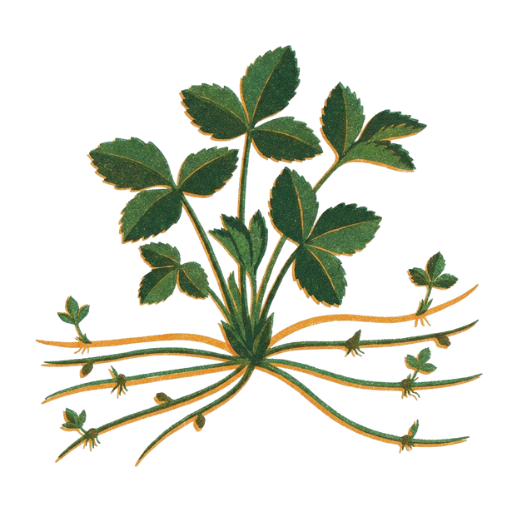
Spreads by Root
Spreads quickly; may need containment
Plant Details
Made with ♥ by Lu Li