Tap card to flip
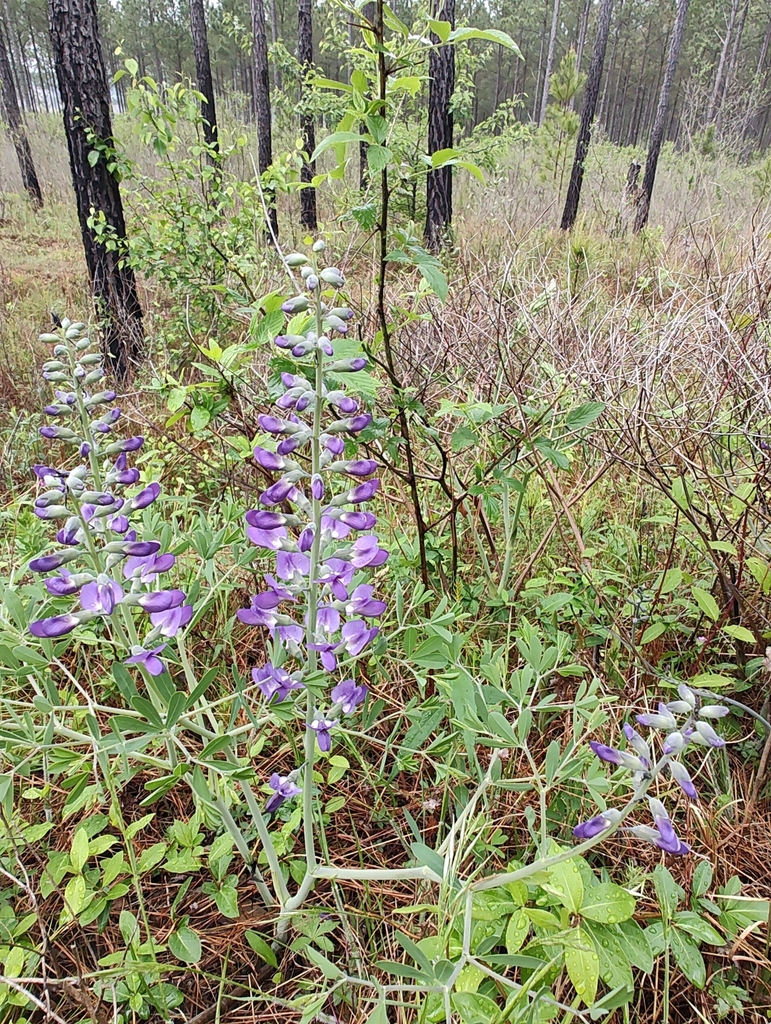


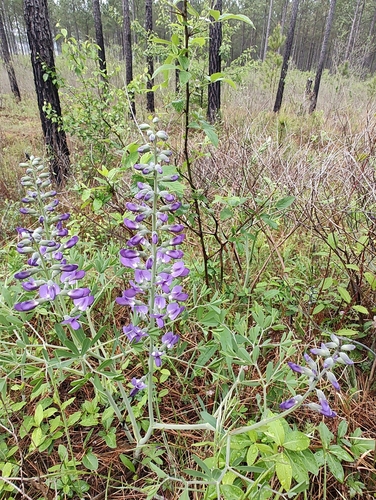
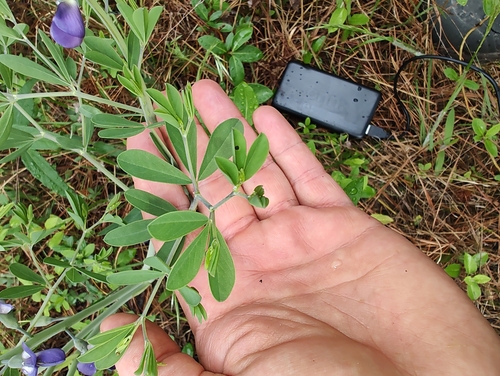
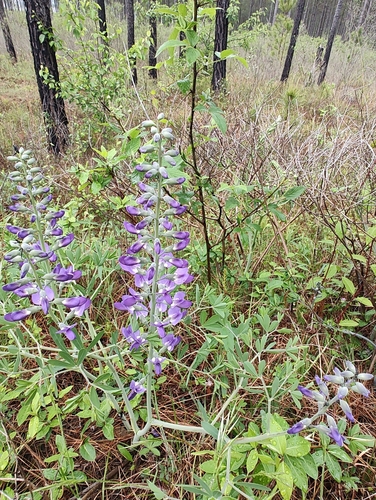
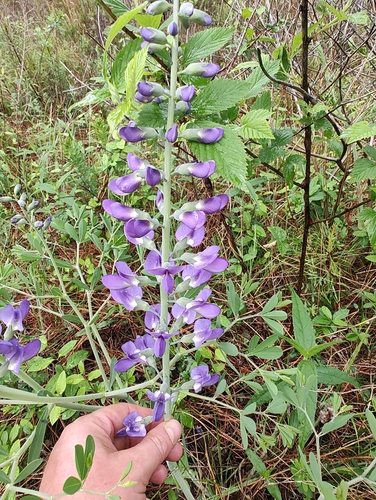
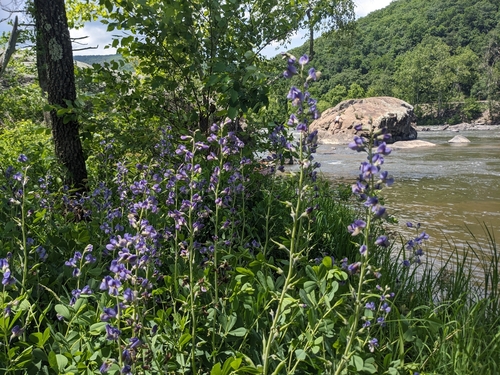
Blue Wild Indigo
Baptisia australis
PerennialBlue Wild Indigo
Baptisia australis
Tap to flip backGrowing Conditions
 Light
Full Sun
Light
Full Sun
 Water
Medium
Water
Medium
 Soil
Clay
Soil
Clay
 Size
3-4'
Size
3-4'
 Bloom
Blue-Purple, May–Jun
Bloom
Blue-Purple, May–Jun
Why Grow It

Deer Resistant
Great for gardens without fencing
Caterpillar Host
Feeds caterpillars of native moths & butterflies
Fall Color
Showy autumn foliage adds seasonal color
Did You Know?
Blue Wild Indigo can live for decades and improves with age — mature specimens form impressive bushes up to 4 feet tall and wide that never need dividing.
The plant is the primary host for the Wild Indigo Duskywing butterfly, a specialist that depends almost entirely on Baptisia species to complete its life cycle.
Its common name comes from the fact that early American colonists used it as a substitute for true indigo dye, though the color it produced was inferior to the real thing.
Wildlife Value
🐝
Bumblebees
Heavy enough to open keel petals for pollination
🦋
Wild Indigo Duskywing
Obligate host plant for caterpillars
🦋
Eastern Tailed-Blue
Larvae feed on flowers and seed pods
Good Companions
🌸 Purple Coneflower
🌿 Wild Bergamot
🌾 Little Bluestem
🌼 Showy Goldenrod
Planting Guide
- Plant in full sun in well-drained, average soil.
- Space 3 feet apart; deep taproot makes transplanting hard.
- Scarify seeds before sowing; very long-lived once established.
Heads Up

Toxic to Humans
Keep away from children
Plant Details
Made with ♥ by Lu Li