Tap card to flip
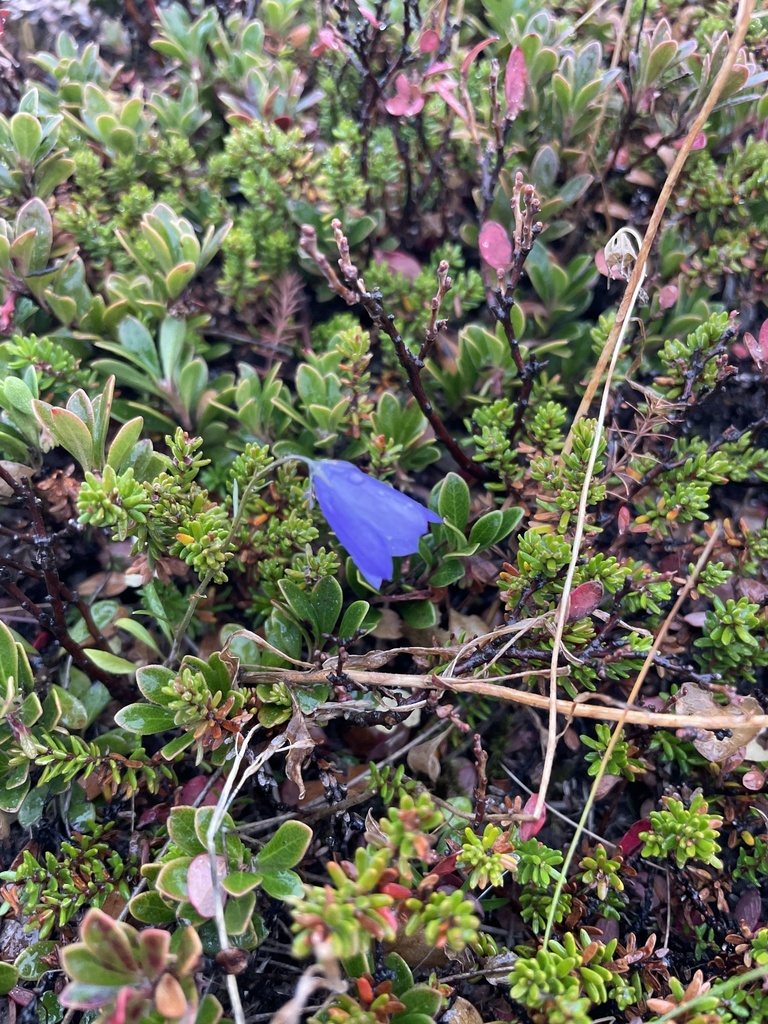



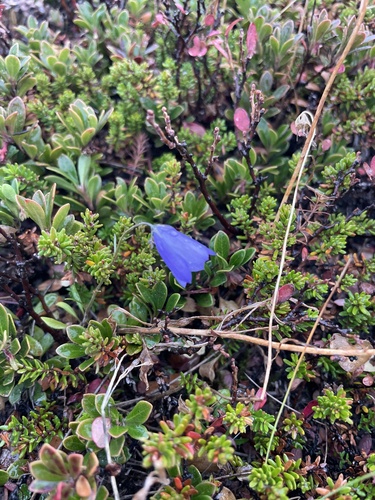
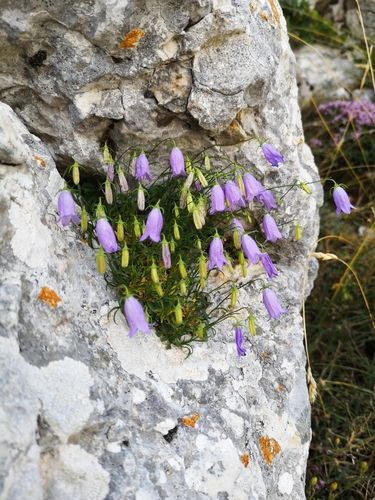
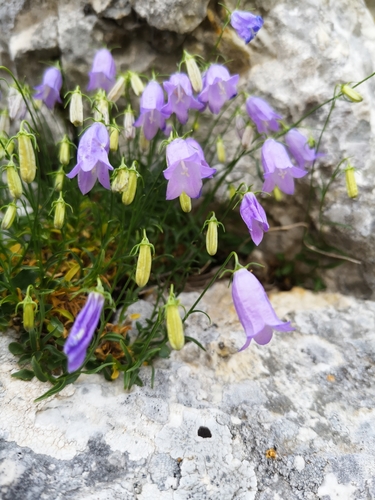
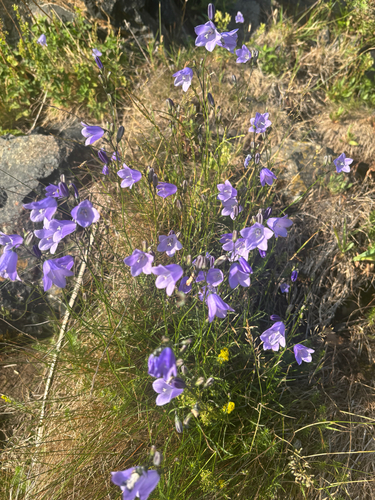
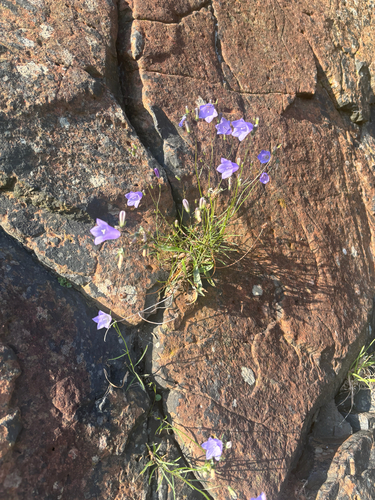
Harebell
Campanula rotundifolia
PerennialHarebell
Campanula rotundifolia
Tap to flip backGrowing Conditions
 Light
Sun – Part Shade
Light
Sun – Part Shade
 Water
Dry – Medium
Water
Dry – Medium
 Soil
Sandy
Soil
Sandy
 Size
0.5-1.5'
Size
0.5-1.5'
 Bloom
Blue-Violet, Jun–Sep
Bloom
Blue-Violet, Jun–Sep
Why Grow It
Rock Garden
Thrives in rocky, well-drained spots
Long Blooming
Flowers for many weeks through the season
Drought Tolerant
Thrives with little water once established
Did You Know?
Despite its species name 'rotundifolia' (round-leaved), the round basal leaves usually wither before flowering — by bloom time you only see the narrow stem leaves, confusing many botanists.
Harebell is one of the most widely distributed wildflowers in the Northern Hemisphere, found across North America, Europe, and Asia in habitats from sea level to alpine peaks.
The common name 'Harebell' comes from old English folklore — it was believed that witches used the plant's juice to transform into hares.
Wildlife Value
🐝
Small Native Bees
Sweat bees and halictids pollinate nodding bells
🐦
Goldfinch
Eats tiny seeds from dried capsules
🪰
Bee Flies
Hover-feed on nectar from bell-shaped flowers
Good Companions
🌸 Butterfly Milkweed
🌿 Wild Bergamot
🌾 Prairie Dropseed
🌼 Blazing Star
Planting Guide
- Plant in full sun to light shade in well-drained, lean soil.
- Space 8–12 inches apart; ideal for rock gardens and edges.
- Very long bloom season; drought tolerant once established.
Plant Details
Made with ♥ by Lu Li