This is a native plant, but it is not available in the 2026 Wild Ones plant sale.
Tap card to flip
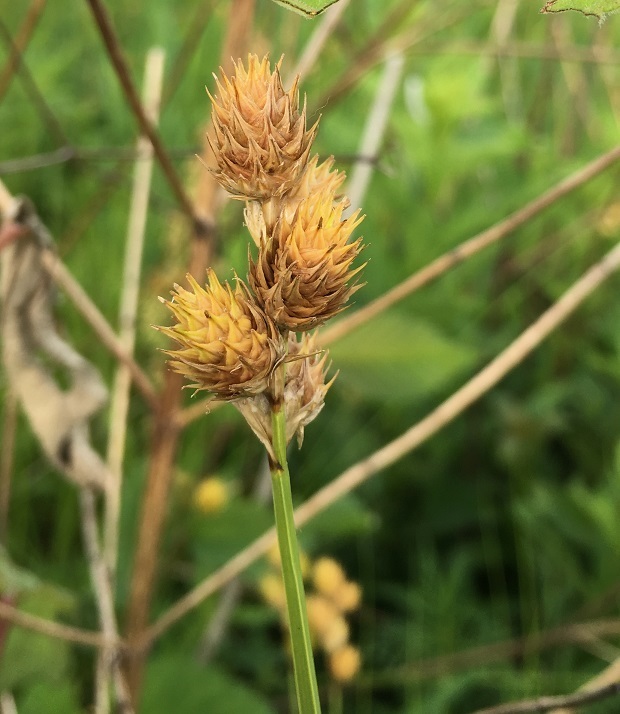


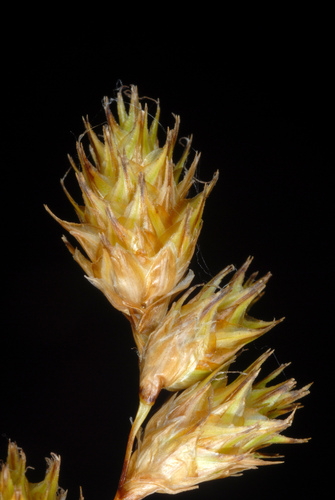
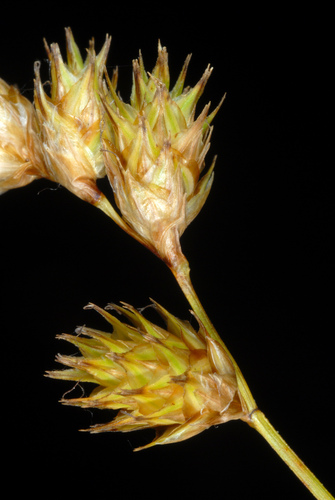
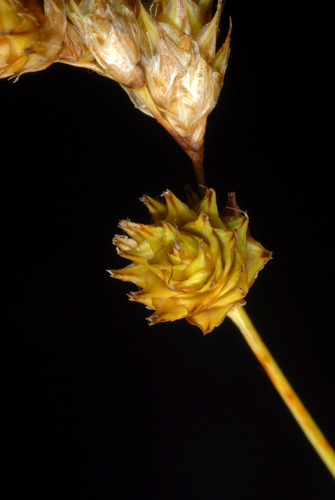
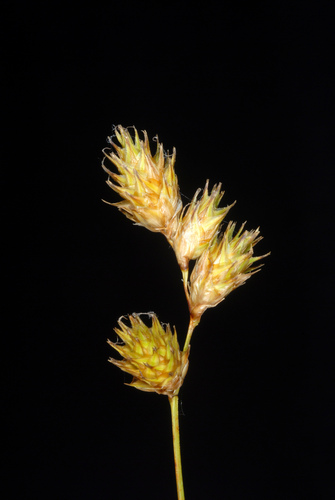
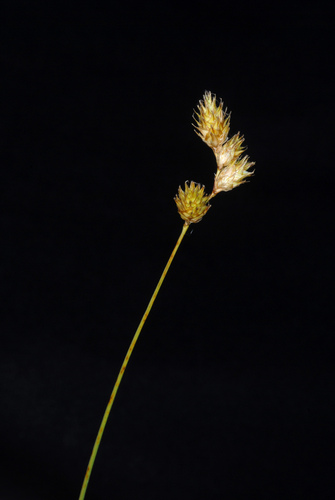
Bicknell's Sedge
Carex bicknellii
SedgeBicknell's Sedge
Carex bicknellii
Tap to flip backGrowing Conditions
 Light
Full Sun
Light
Full Sun
 Water
Dry – Medium
Water
Dry – Medium
 Soil
Any
Soil
Any
 Size
1-3'
Size
1-3'
 Bloom
Green, May–Jun
Bloom
Green, May–Jun
Why Grow It

Deer Resistant
Great for gardens without fencing
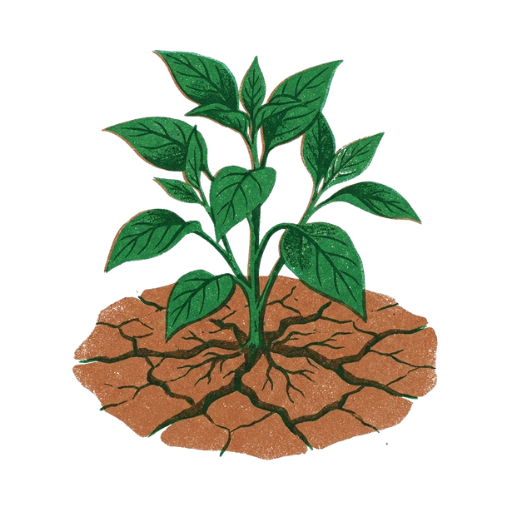
Drought Tolerant
Thrives with little water once established
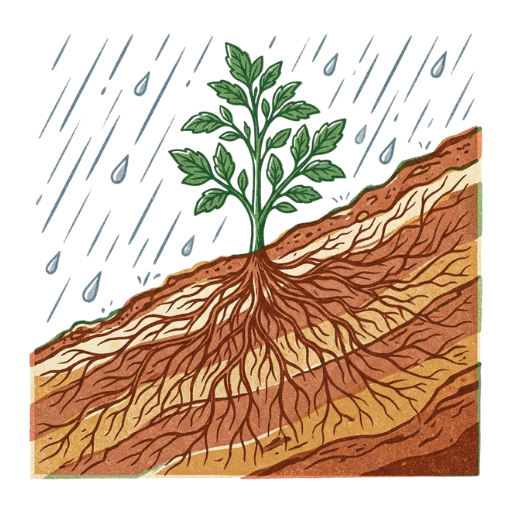
Erosion Control
Deep roots stabilize slopes & banks
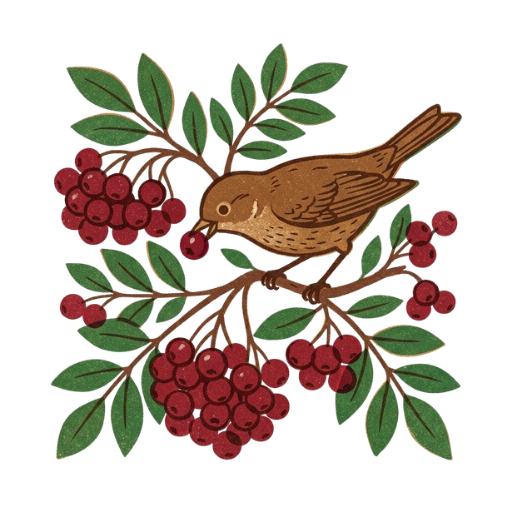
Wildlife Food
Berries & seeds feed birds and wildlife
Did You Know?
Sedges can make up as much as a quarter of all plant residents in a tallgrass prairie, and Bicknell's sedge is one of the few sedges that naturally grow in prairies.
The genus name Carex comes from Latin meaning 'cutter,' referring to the sharp leaf and stem edges — remember the saying 'rushes are round but sedges have edges.'
Its seeds are eaten by upland gamebirds and songbirds including Pheasants, Prairie Chickens, and various Sparrows.
Wildlife Value
🐦
Sparrows & Juncos
Seed-eating songbirds forage seed heads
🦗
Grasshoppers
Several species feed on foliage
🐔
Upland Game Birds
Pheasants and prairie chickens eat seeds
Good Companions
🌾 Little Bluestem
🌼 Black-eyed Susan
💜 Wild Bergamot
🌿 Pennsylvania Sedge
Planting Guide
- Sow seed or plant plugs in dry to mesic, well-drained soil.
- Choose a full-sun to part-sun location for best growth.
- Minimal watering after establishment; tolerates poor soils.
Plant Details
Made with ♥ by Lu Li