Tap card to flip
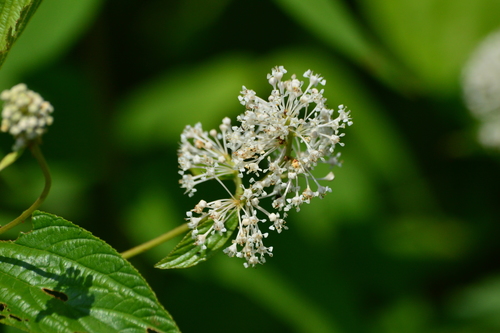





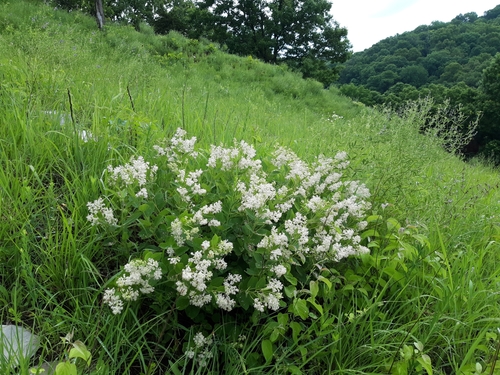
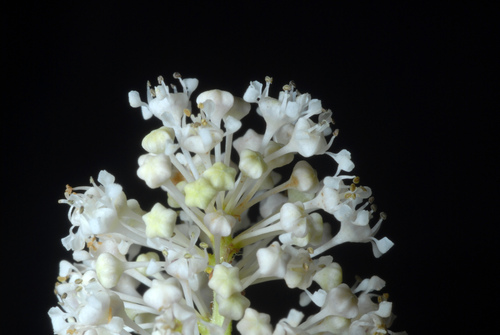
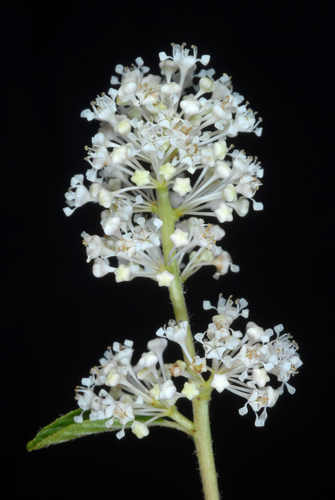
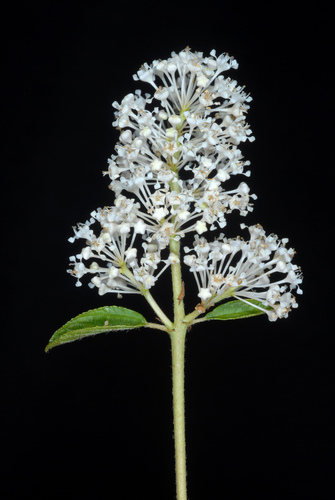
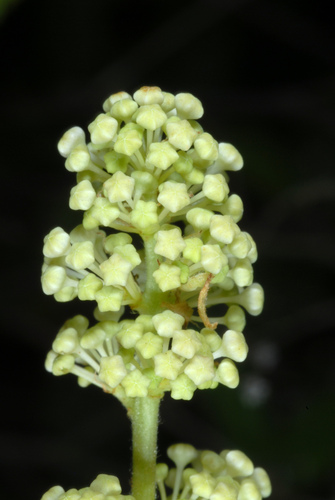
New Jersey Tea
Ceanothus americanus
ShrubNew Jersey Tea
Ceanothus americanus
Tap to flip backGrowing Conditions
 Light
Sun – Part Shade
Light
Sun – Part Shade
 Water
Dry – Moist
Water
Dry – Moist
 Soil
Loam, Sandy
Soil
Loam, Sandy
 Size
2-3'
Size
2-3'
 Bloom
White, Jul–Aug
Bloom
White, Jul–Aug
Why Grow It
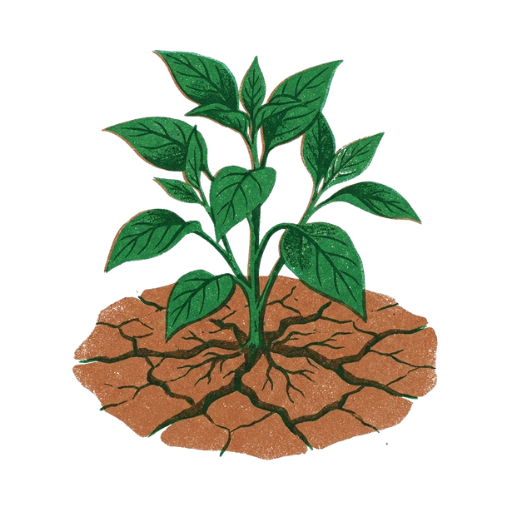
Drought Tolerant
Thrives with little water once established

Deer Resistant
Great for gardens without fencing
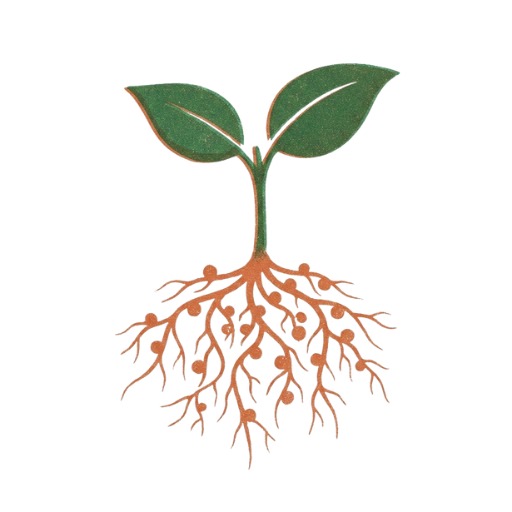
Nitrogen Fixing
Enriches your soil naturally
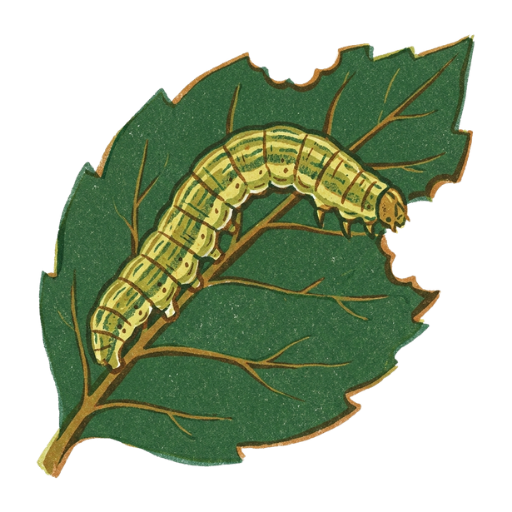
Caterpillar Host
Feeds caterpillars of native moths & butterflies
Did You Know?
During the American Revolution, colonists brewed its dried leaves as a caffeine-free tea substitute when boycotting British tea.
This plant thrives after fire. Its deep taproot can resprout from 6 feet underground.
Native Americans used the root bark to make a red dye and the leaves as a remedy for respiratory ailments.
Wildlife Value
🐝
Bee Magnet
Supports 40+ species of native bees, including bumblebees and mining bees
🦋
Butterfly Host Plant
Larval host for Spring Azure and Mottled Duskywing butterflies
🐦
Bird Habitat
Dense branching offers nesting cover; seeds feed songbirds in fall
🪲
Soil Life
Roots partner with Frankia bacteria, creating tiny nitrogen factories underground
Good Companions
🌾 Little Bluestem
🌻 Black-Eyed Susan
🌼 Wild Bergamot
☘️ Butterfly Milkweed
Planting Guide
- Choose a spot with good drainage — this plant hates wet feet
- Dig a hole twice the width of the root ball, same depth as the pot
- Backfill with native soil (no amendments needed), water deeply, and mulch 2–3″ around the base
Plant Details
Made with ♥ by Lu Li