Tap card to flip
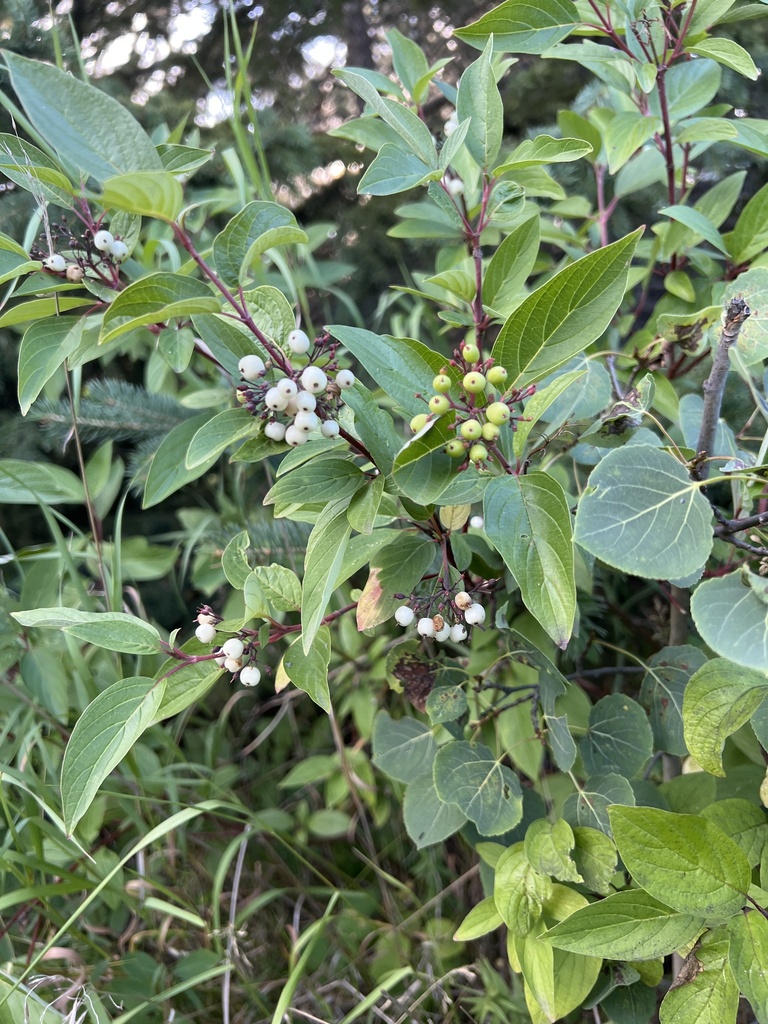



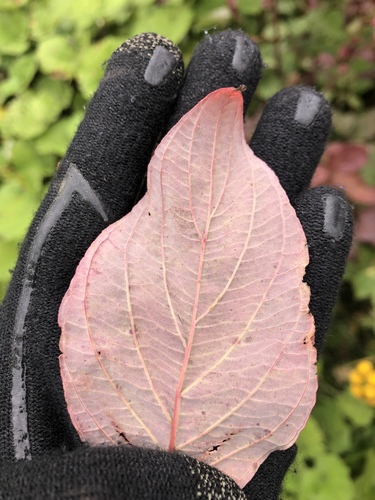
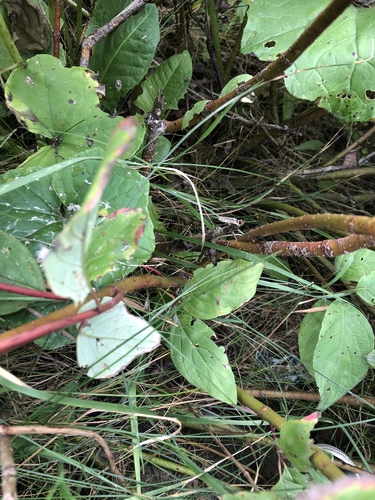
Red Osier Dogwood
Cornus sericea
ShrubRed Osier Dogwood
Cornus sericea
Tap to flip backGrowing Conditions
 Light
Sun – Part Shade
Light
Sun – Part Shade
 Water
Wet – Medium
Water
Wet – Medium
 Soil
Clay, Loam
Soil
Clay, Loam
 Size
6-9'
Size
6-9'
 Bloom
White, May–Jun
Bloom
White, May–Jun
Why Grow It
Winter Interest
Beautiful structure in the cold months
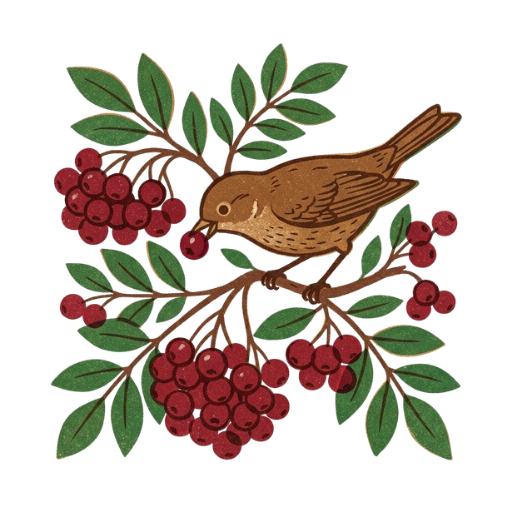
Wildlife Food
Berries & seeds feed birds and wildlife
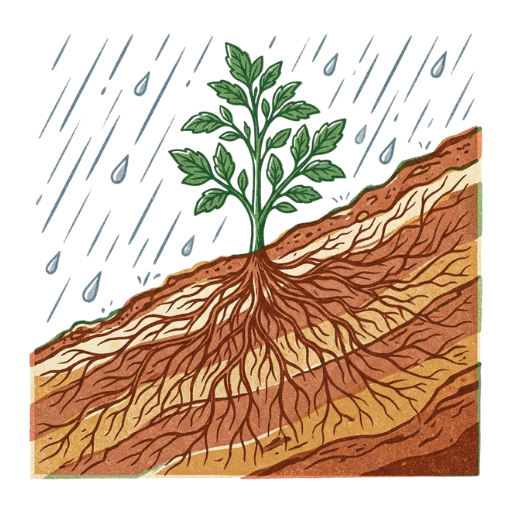
Erosion Control
Deep roots stabilize slopes & banks
Did You Know?
Stems turn brilliant red in winter — the brighter the cold, the redder the stems.
White berries are eaten by over 90 bird species — a top wildlife food plant.
Roots spread by stolons and layering, creating natural erosion barriers along waterways.
Wildlife Value
🐦
90+ Bird Species
Berries are a critical food source for dozens of songbirds and gamebirds
🦋
Spring Nectar
Flat flower clusters provide accessible nectar for butterflies and small bees
Good Companions
🌸 Winterberry
🌿 Spicebush
⭐ Buttonbush
Planting Guide
- Plant in sun to part shade in moist to wet soil
- Space 4–6″ apart; spreads by stolons to form thickets
- Cut oldest stems to ground in late winter to encourage bright red new growth
Heads Up
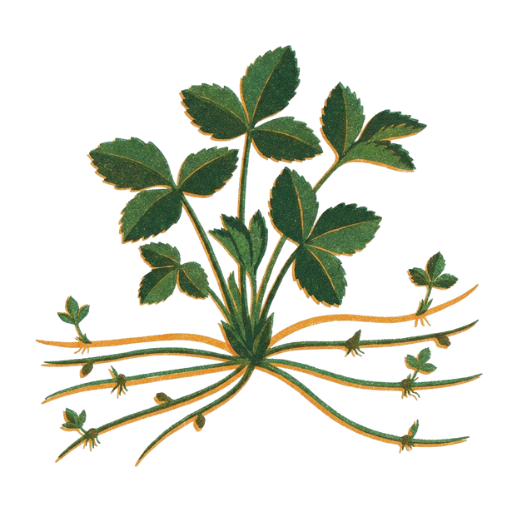
Spreads by Root
Spreads quickly; may need containment
Plant Details
Made with ♥ by Lu Li