This is a native plant, but it is not available in the 2026 Wild Ones plant sale.
Tap card to flip
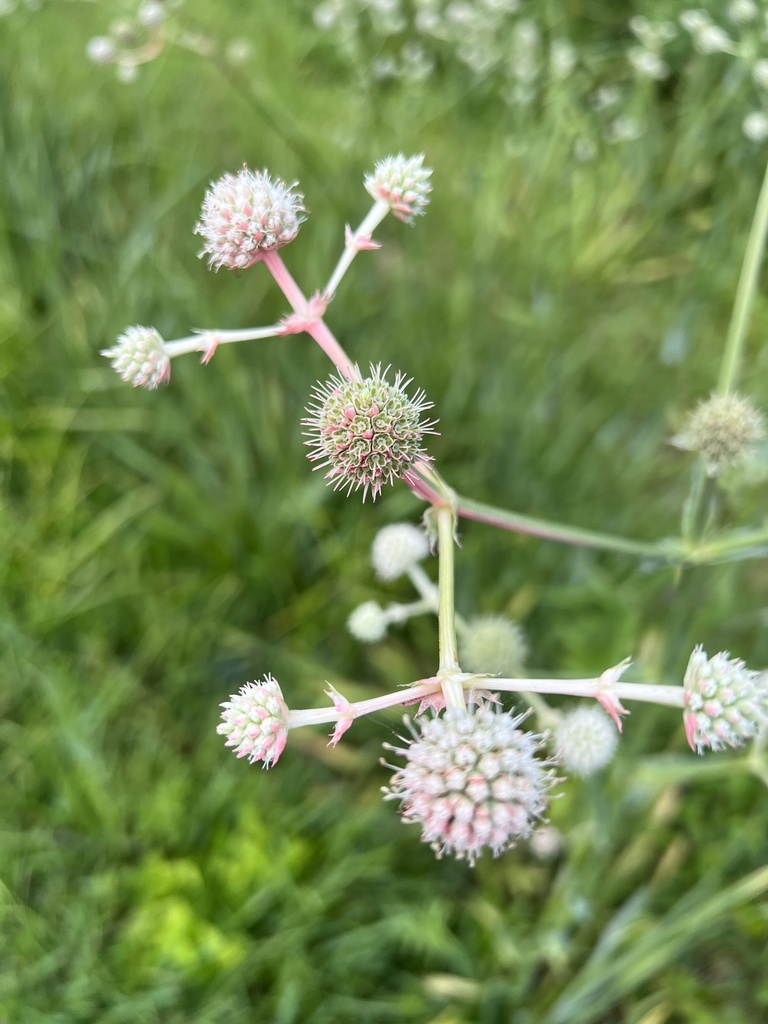

Rattlesnake Master
Eryngium yuccifolium
PerennialRattlesnake Master
Eryngium yuccifolium
Tap to flip backGrowing Conditions
 Light
Full Sun
Light
Full Sun
 Water
Dry – Medium
Water
Dry – Medium
 Soil
Any
Soil
Any
 Size
3-5'
Size
3-5'
 Bloom
White, Jun–Aug
Bloom
White, Jun–Aug
Why Grow It
Deer Resistant
Great for gardens without fencing
Drought Tolerant
Thrives with little water once established

Pollinator Magnet
Attracts many types of pollinators
Winter Interest
Beautiful structure in the cold months
Did You Know?
Despite looking nothing like a typical carrot-family plant, Rattlesnake Master is a member of the Apiaceae — the same family as parsley, dill, and Queen Anne's Lace.
Its common name comes from a historical folk remedy — early settlers believed a poultice of the roots could treat rattlesnake bites.
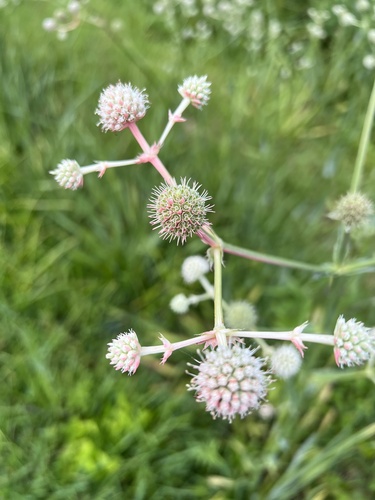
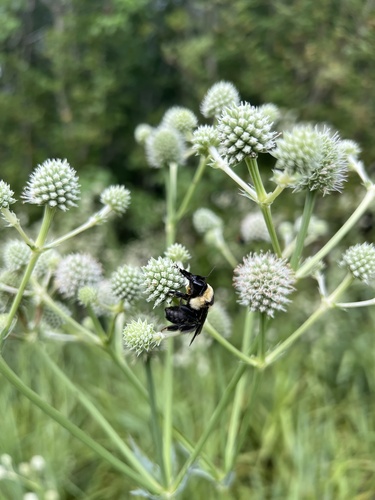
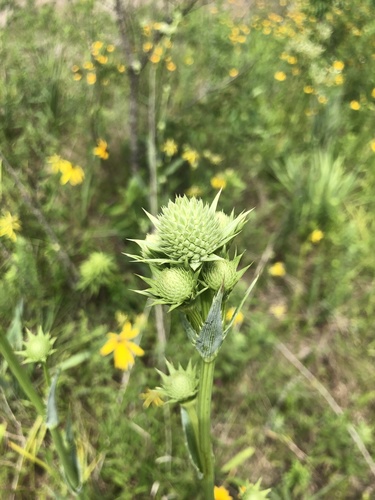
The spiny, globe-shaped flower heads are faintly honey-scented and attract an extraordinary diversity of pollinators including specialized wasps, bees, flies, and butterflies.
Wildlife Value
🐝
Predatory Wasps
11 wasp species visit flowers for nectar
🦋
Rattlesnake-master Borer Moth
Rare moth larvae bore into stems and roots
🐝
Native Bees
Diverse bee species pollinate globe-shaped heads
Good Companions
🧡 Butterfly Milkweed
💜 Rough Blazing Star
🌸 Purple Coneflower
🌼 Black-eyed Susan
Planting Guide
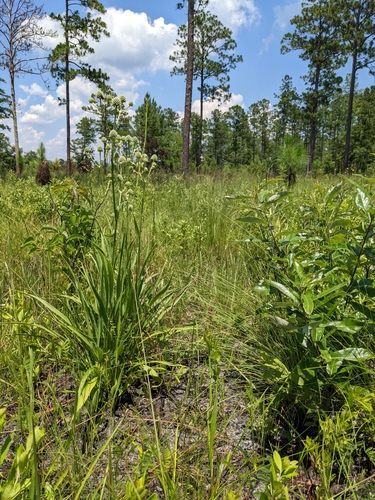
- Plant plugs in full sun in average to dry prairie soil.
- Space 18 inches apart; deep taproot ensures drought tolerance.
- Leave dried seed heads standing for winter wildlife interest.
Plant Details
Made with ♥ by Lu Li