This is a native plant, but it is not available in the 2026 Wild Ones plant sale.
Tap card to flip
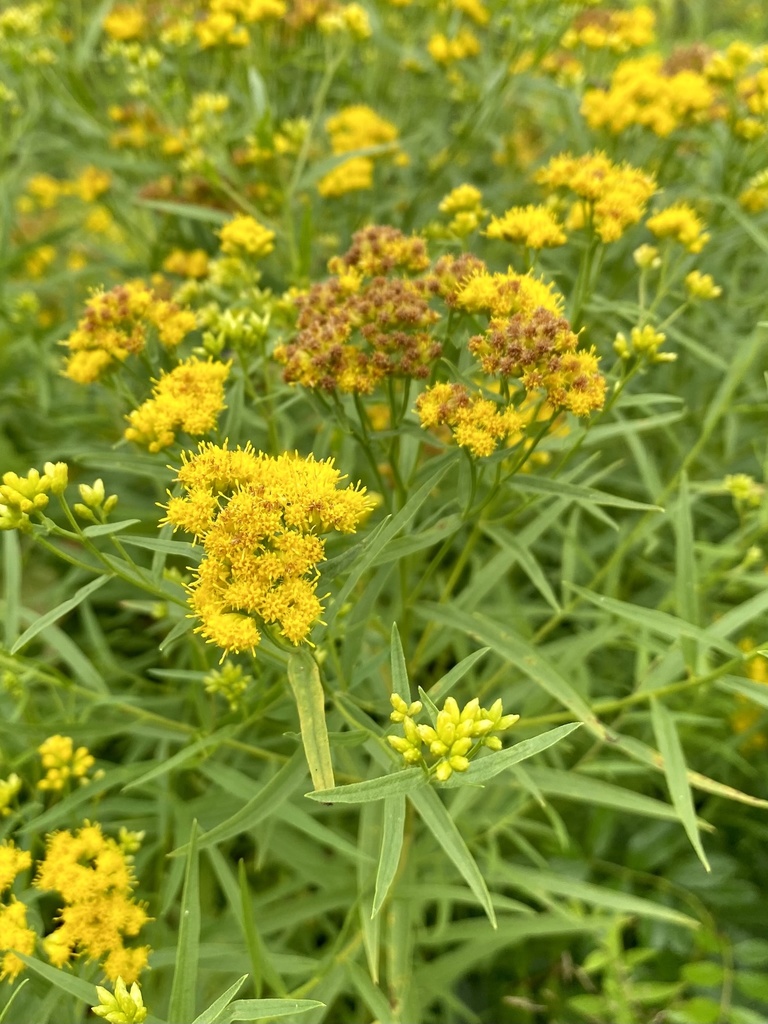

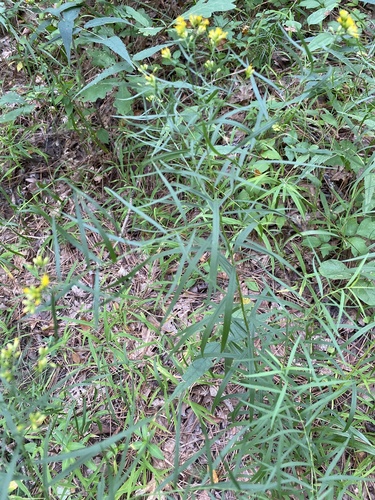
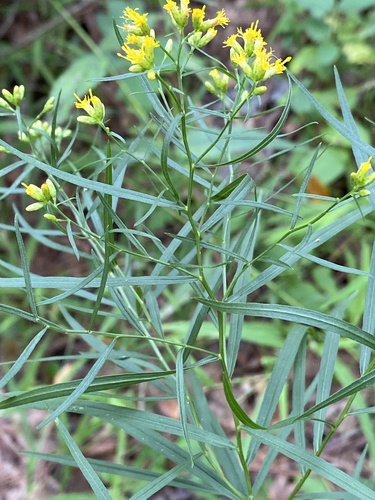
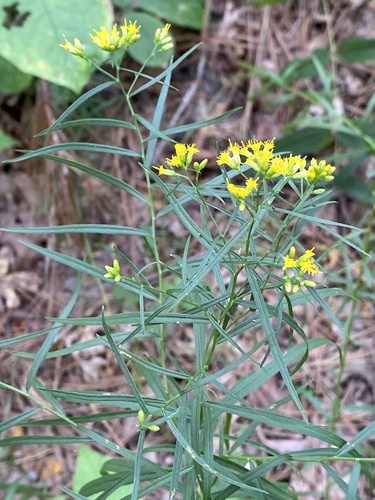
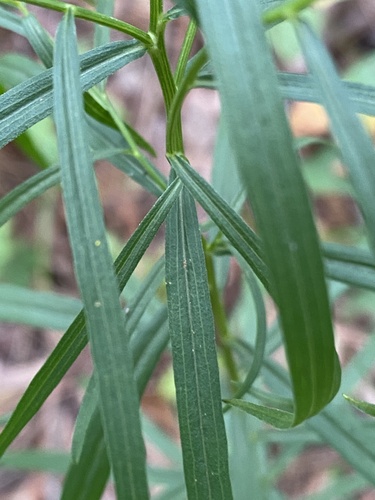
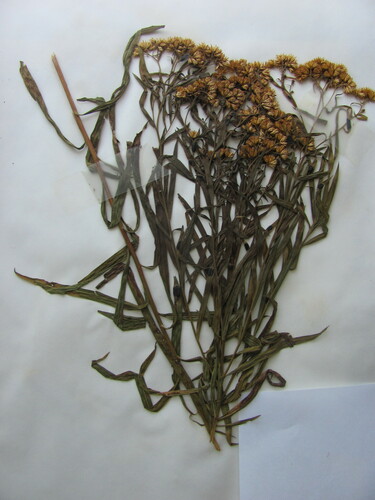
Grass-leaved Goldenrod
Euthamia graminifolia
PerennialGrass-leaved Goldenrod
Euthamia graminifolia
Tap to flip backGrowing Conditions
 Light
Full Sun
Light
Full Sun
 Water
Moist
Water
Moist
 Soil
Any
Soil
Any
 Size
2-4'
Size
2-4'
 Bloom
Yellow, Jul–Sep
Bloom
Yellow, Jul–Sep
Why Grow It

Pollinator Magnet
Attracts many types of pollinators

Rain Garden
Thrives in wet areas & manages runoff
Fast Growing
Establishes and fills in quickly
Did You Know?
Despite its common name, Grass-leaved Goldenrod is not a true goldenrod — it has been reclassified into its own genus Euthamia, separate from Solidago.
Its flat-topped flower clusters attract an extraordinary variety of insects including bees, wasps, flies, butterflies, moths, and beetles like the iconic Goldenrod Soldier Beetle.
Like all goldenrods, it does NOT cause hay fever — its heavy, sticky pollen is carried by insects, not wind; ragweed blooming at the same time is the real culprit.
Wildlife Value
🐝
Native Bees
Long- and short-tongued bees visit yellow clusters
🦋
Butterflies & Moths
Late-season nectar source for many species
🐦
Songbirds
Birds eat dried seeds through autumn and winter
Good Companions
💜 New England Aster
🌺 Common Milkweed
🌼 Showy Goldenrod
🌿 Switchgrass
Planting Guide
- Plant plugs in full sun in moist, well-drained soil.
- Space 18 inches apart; spreads by rhizomes to form colonies.
- Tolerates poor and sandy soils; avoid overly rich conditions.
Heads Up
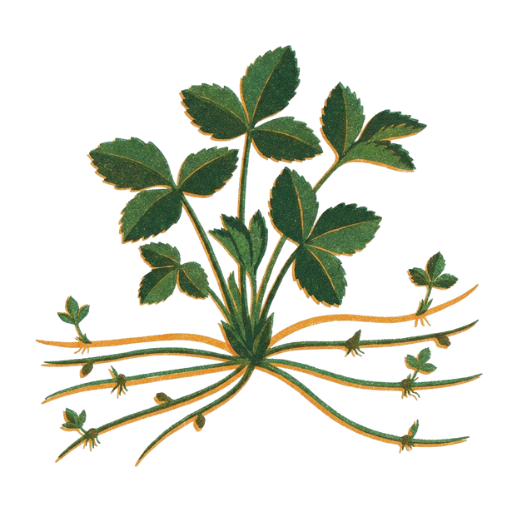
Spreads by Root
Spreads quickly; may need containment
Plant Details
Made with ♥ by Lu Li