Tap card to flip
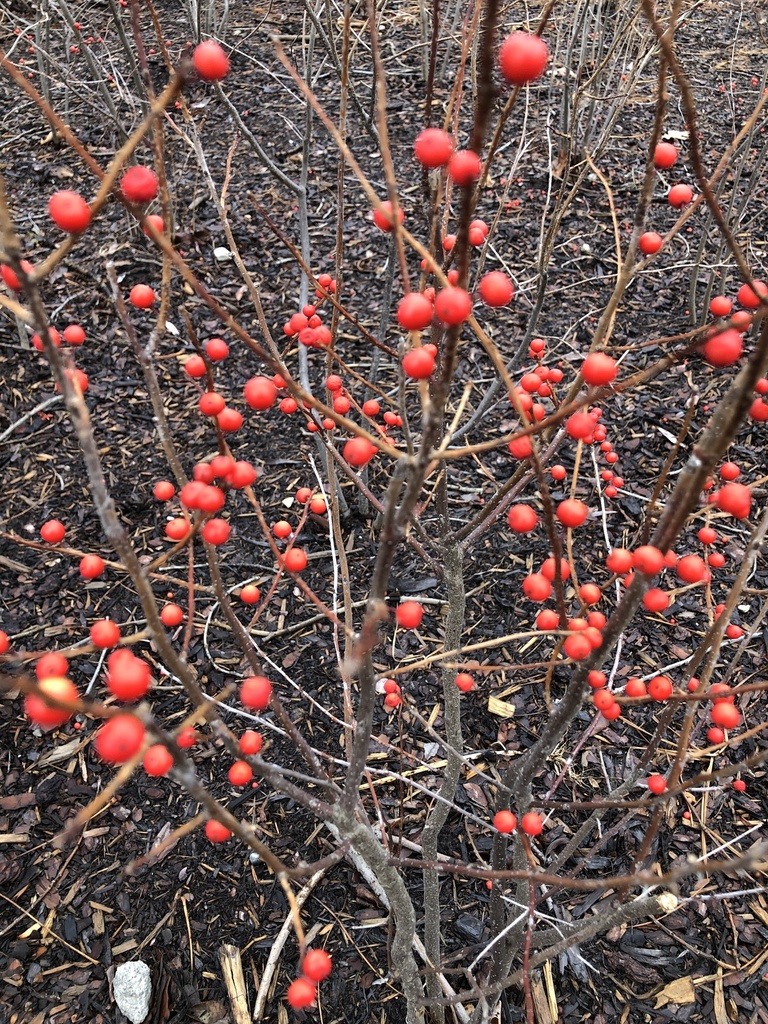



Winterberry
Ilex verticillata
ShrubWinterberry
Ilex verticillata
Tap to flip backGrowing Conditions
 Light
Part Sun – Shade
Light
Part Sun – Shade
 Water
Moist – Medium
Water
Moist – Medium
 Soil
Clay, Loam, Acidic
Soil
Clay, Loam, Acidic
 Size
6-10'
Size
6-10'
 Bloom
White, Jun–Jul
Bloom
White, Jun–Jul
Why Grow It
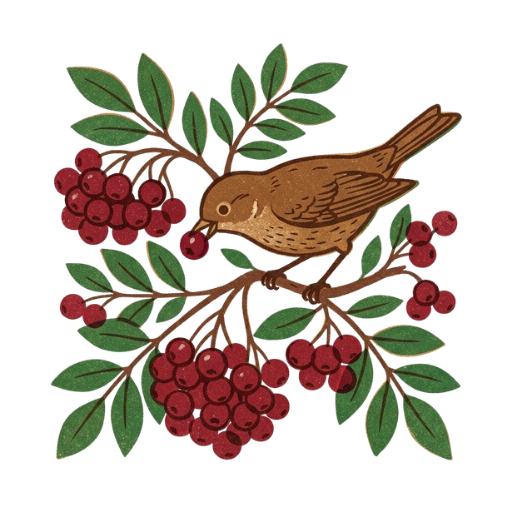
Wildlife Food
Berries & seeds feed birds and wildlife

Shade Tolerant
Grows well in partial to full shade
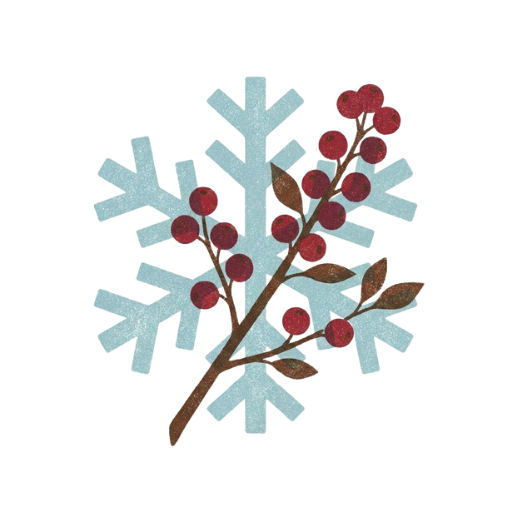
Winter Interest
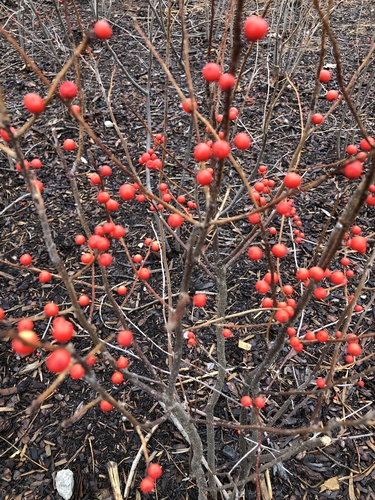
Beautiful structure in the cold months
Did You Know?
Blazing red berries on bare branches in winter — the most dramatic native winter display.
Need both male and female plants for berries — one male pollinates up to 6 females.
Berries soften after freezing, becoming a critical late-winter food for cedar waxwings and robins.
Wildlife Value
🐦
Winter Bird Survival
Persistent berries feed cedar waxwings, robins, and bluebirds in late winter
🐝
Native Bee Pollinator
Small native bees pollinate the inconspicuous spring flowers
Good Companions
🌸 Spicebush
🌿 Red Osier Dogwood
⭐ Witch Hazel
Planting Guide
- Plant in part shade in moist, acidic soil; tolerates clay
- Plant at least one male within 50″ of female plants for berry production
- Minimal pruning; remove suckers to control spread if desired
Heads Up
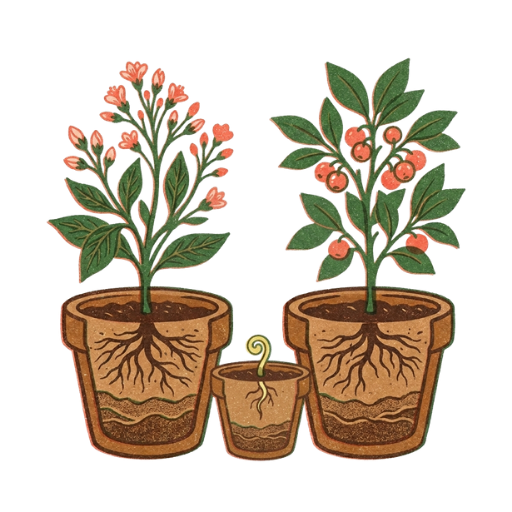
Needs Male & Female
Plant both for berries
Plant Details
Made with ♥ by Lu Li