Tap card to flip
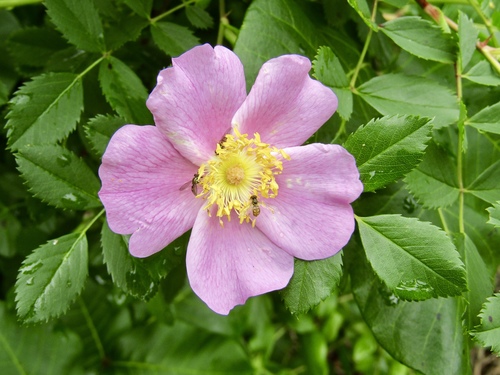




Pasture Rose
Rosa carolina
Deciduous ShrubPasture Rose
Rosa carolina
Tap to flip backGrowing Conditions
 Light
Sun – Part Shade
Light
Sun – Part Shade
 Water
Dry – Moist
Water
Dry – Moist
 Soil
Sandy, Loam
Soil
Sandy, Loam
 Size
1-3'
Size
1-3'
 Bloom
Pink, Jun–Jul
Bloom
Pink, Jun–Jul
Why Grow It

Fragrant
Enjoy its lovely natural scent
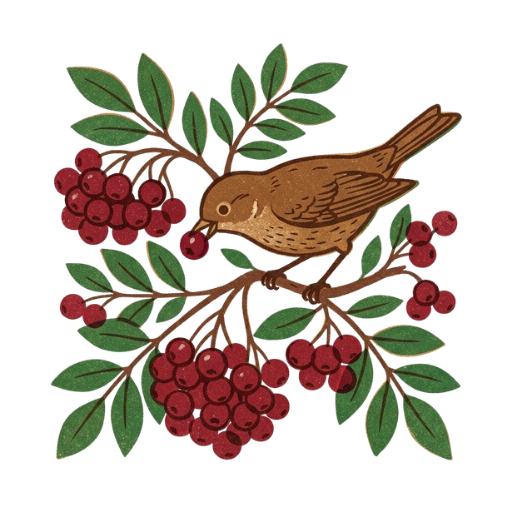
Wildlife Food
Berries & seeds feed birds and wildlife
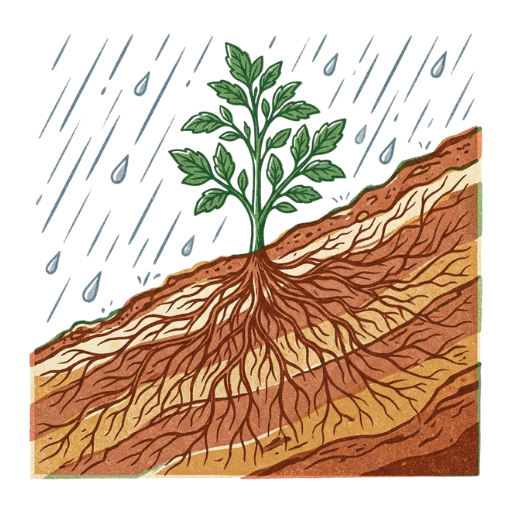
Erosion Control
Deep roots stabilize slopes & banks
Did You Know?
Rose hips persist through winter, feeding birds when other food is scarce.
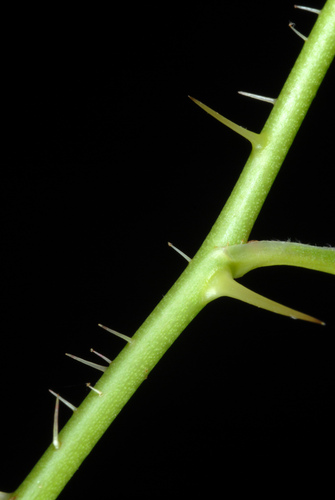
Unlike invasive multiflora rose, this native rose is well-behaved and only mildly thorny.
Rose hips are rich in vitamin C — historically used to make teas and jams.
Wildlife Value
🐝
Native Bee Haven
Simple open flowers provide easy access to pollen for native bees
🐦
Winter Bird Food
Rose hips feed cedar waxwings, robins, and mockingbirds all winter
🦋
Butterfly Nectar
Fragrant pink flowers attract a variety of butterflies
Good Companions
🌾 Little Bluestem
☘️ New Jersey Tea
🌻 Brown-eyed Susan
Planting Guide
- Plant in full sun to part shade in average, well-drained soil
- Give it 3–4 feet of space; it forms a low, arching shrub
- Prune out dead canes in late winter; leave rose hips for birds
Heads Up
Thorns
Handle with care; has sharp thorns
Plant Details
Made with ♥ by Lu Li