Tap card to flip
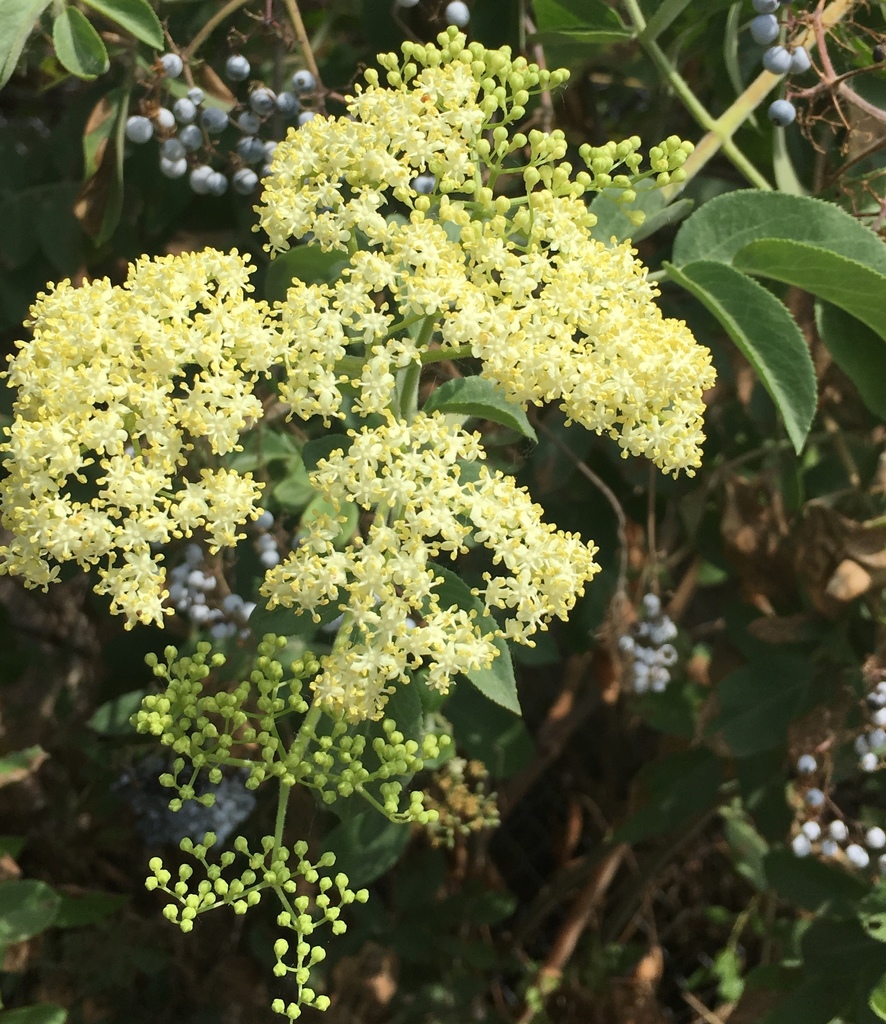


American Elderberry
Sambucus nigra ssp. canadensis
ShrubAmerican Elderberry
Sambucus nigra ssp. canadensis
Tap to flip backGrowing Conditions
 Light
Sun – Part Shade
Light
Sun – Part Shade
 Water
Moist – Medium
Water
Moist – Medium
 Soil
Clay, Loam
Soil
Clay, Loam
 Size
5-12'
Size
5-12'
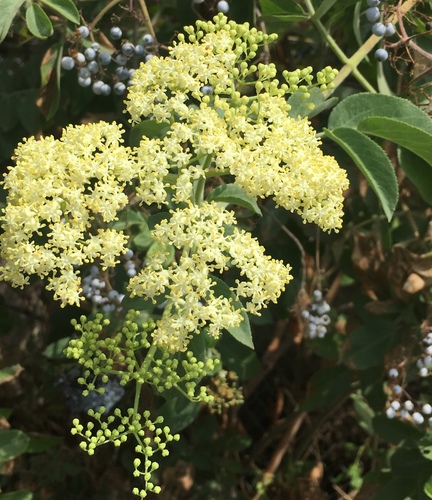
 Bloom
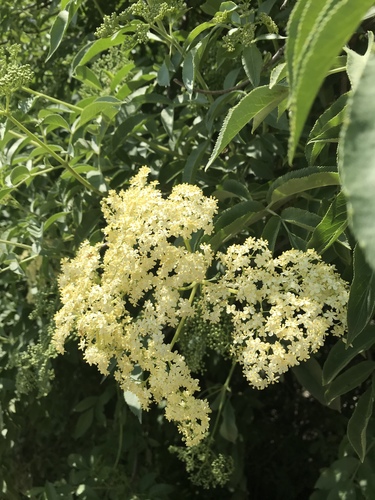
White, Jun–Jul
Bloom
White, Jun–Jul
Why Grow It
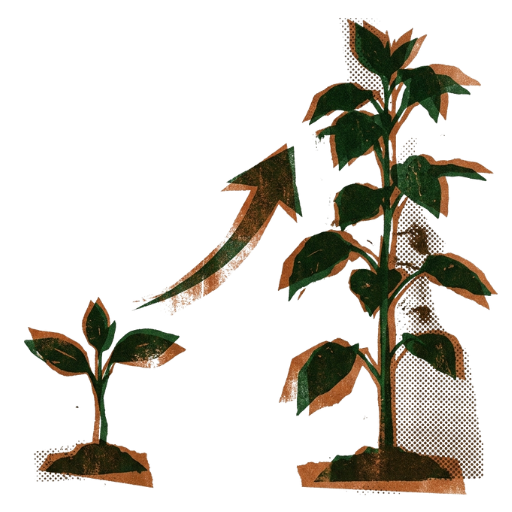
Fast Growing
Establishes and fills in quickly
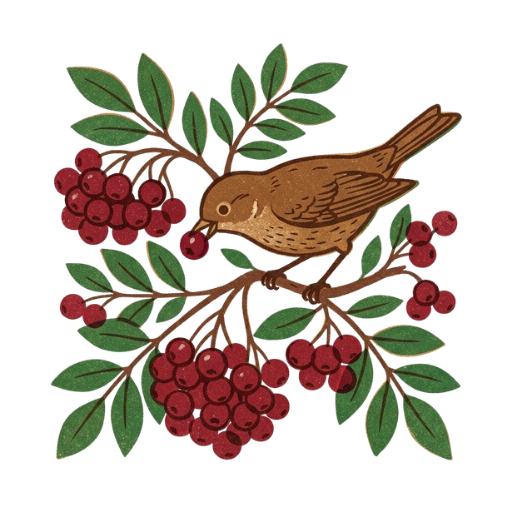
Wildlife Food
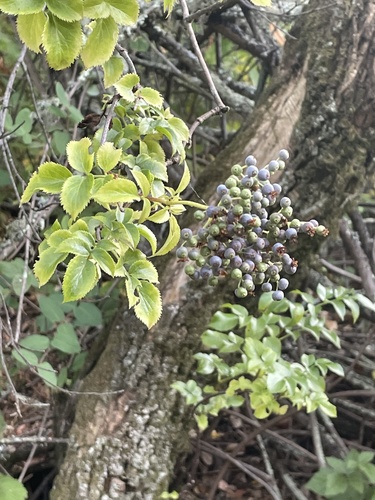
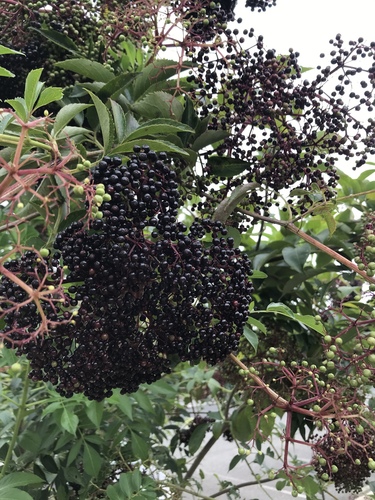
Berries & seeds feed birds and wildlife
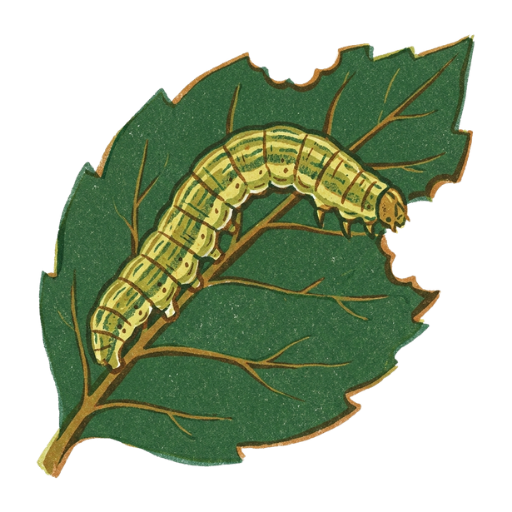
Caterpillar Host
Feeds caterpillars of native moths & butterflies
Did You Know?
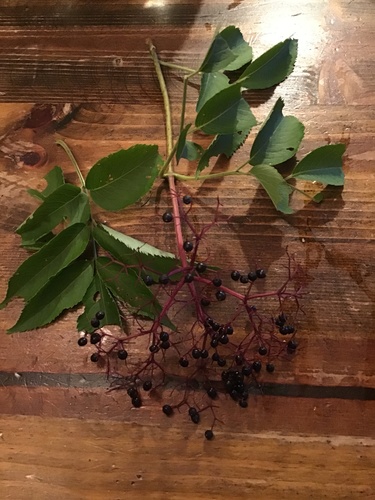
All parts of elderberry except ripe, cooked berries are toxic. Raw berries cause nausea — always cook before consuming. The cooked berries make excellent jams, pies, and wine.
Huge flat-topped flower heads can be battered and fried as elderflower fritters.
Elderberry extract is a popular immune-boosting supplement with centuries of traditional use.
Wildlife Value
🐦
Over 50 Bird Species
Berries are eaten by catbirds, thrushes, woodpeckers, and dozens more
🦋
Pollinator Haven
Large flower heads attract butterflies, native bees, and beneficial wasps
Good Companions
🌸 Joe Pye Weed
🌿 Red Osier Dogwood
⭐ Buttonbush
Planting Guide
- Plant in full sun to part shade in moist, fertile soil
- Space 6–8″ apart; plant two varieties for best berry production
- Prune out dead wood in late winter; grows fast and recovers quickly
Heads Up

Toxic to Humans
Keep away from children
Plant Details
Made with ♥ by Lu Li