This is a native plant, but it is not available in the 2026 Wild Ones plant sale.
Tap card to flip
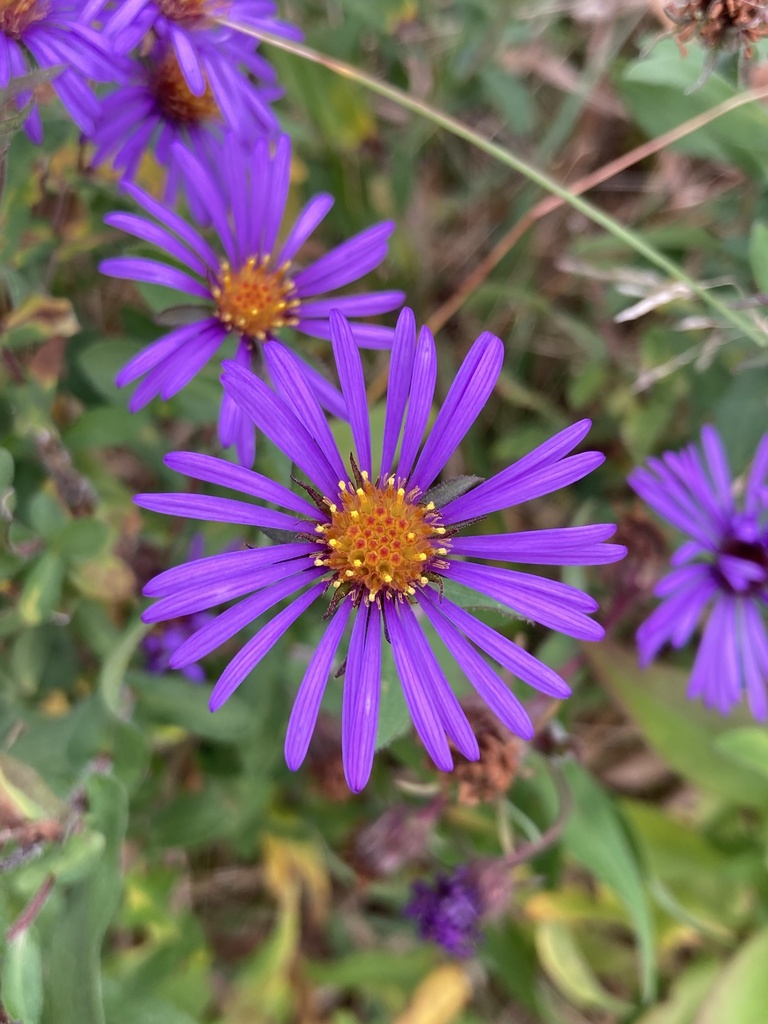



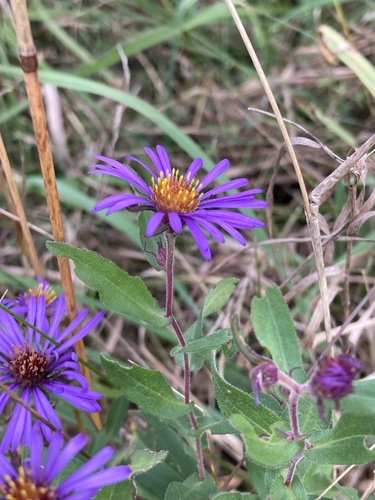
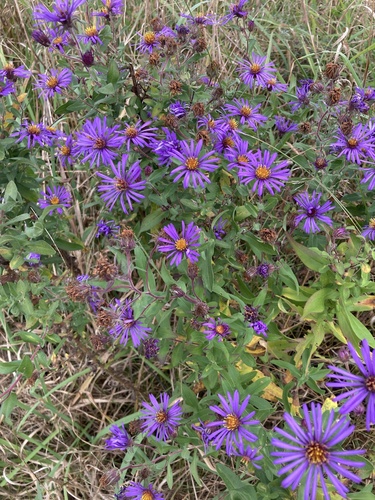
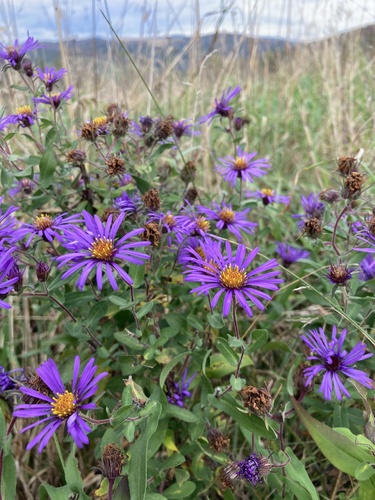
New England Aster
Symphyotrichum novae-angliae
PerennialNew England Aster
Symphyotrichum novae-angliae
Tap to flip backGrowing Conditions
 Light
Sun – Part Shade
Light
Sun – Part Shade
 Water
Medium
Water
Medium
 Soil
Loam
Soil
Loam
 Size
3-6'
Size
3-6'
 Bloom
Purple, Aug–Oct
Bloom
Purple, Aug–Oct
Why Grow It

Pollinator Magnet
Attracts many types of pollinators

Late Bloomer
Provides nectar when others have faded
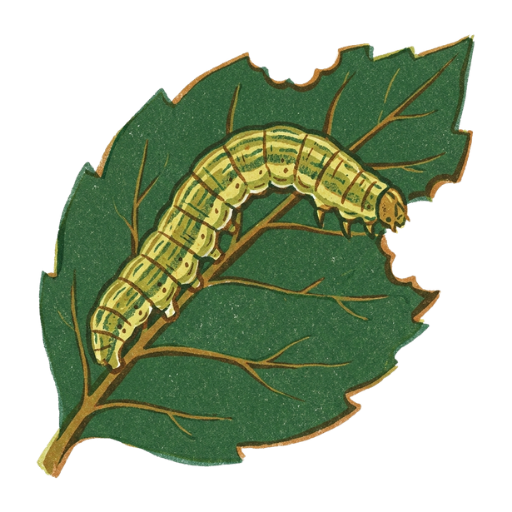
Caterpillar Host
Feeds caterpillars of native moths & butterflies
Did You Know?
New England Aster is one of the last major nectar sources for migrating Monarch butterflies fueling up for their journey to Mexico.
Unlike most asters, the flowers close at night and on cloudy days — making them a natural weather indicator.
It is a larval host for the Pearl Crescent butterfly and several checkerspot species.
Wildlife Value
🦋
Monarch Butterfly
Key late-season nectar source for fall migration
🐝
Bumble Bees
Queens fuel up on nectar before winter hibernation
🐦
American Goldfinch
Eats seeds from fluffy seed heads
Good Companions
🌾 Indian Grass
🌼 Orange Coneflower
🌿 Joe-Pye Weed
🌸 Wild Senna
Planting Guide
- Plant in full sun in moist, rich garden soil.
- Space 2-3 feet apart; pinch stems in June for bushiness.
- Water during dry spells; prefers consistent moisture.
Plant Details
Made with ♥ by Lu Li