Pollinator Plants
A pollinator garden works best when something is in flower from the first warm days of spring through hard frost. Native bees emerge on different schedules — some are active for only a few weeks — so a garden that blooms heavily in July and goes quiet in September feeds far fewer species than its flower count suggests. The plants below are the strongest nectar and pollen sources in this collection. When choosing among them, check the bloom months on each plant's page and aim for overlap across the whole season rather than the largest number of flowers at once. Planting in groups of three or more of the same species also matters: it makes a patch worth a bee's time to work, and shortens the distance it has to travel between visits.
60 plants
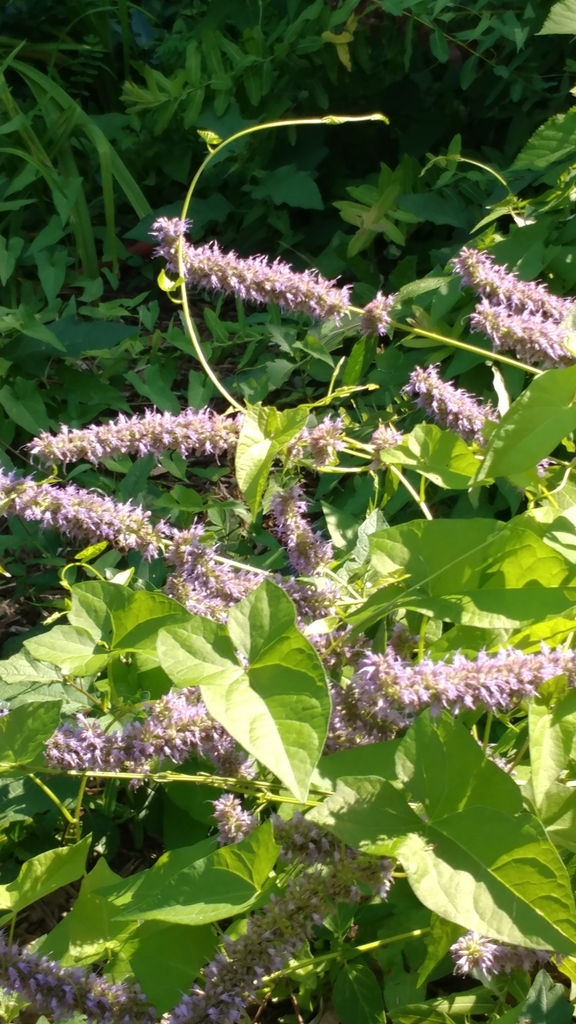
Anise HyssopAgastache foeniculum
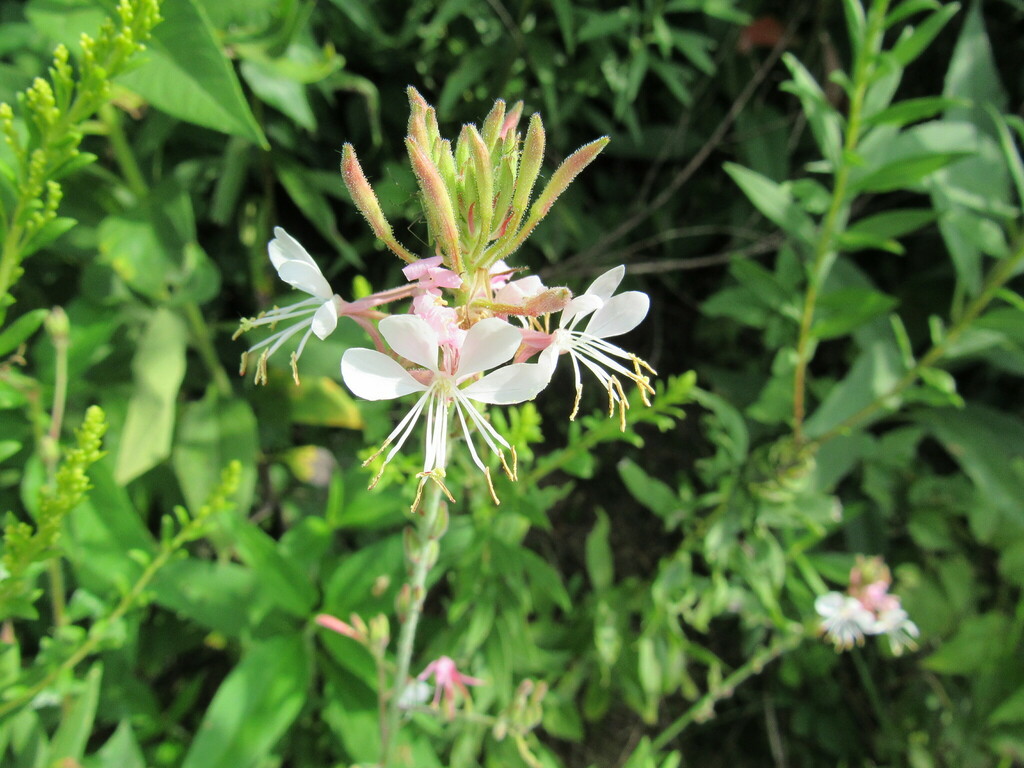
Biennial GauraGaura biennis
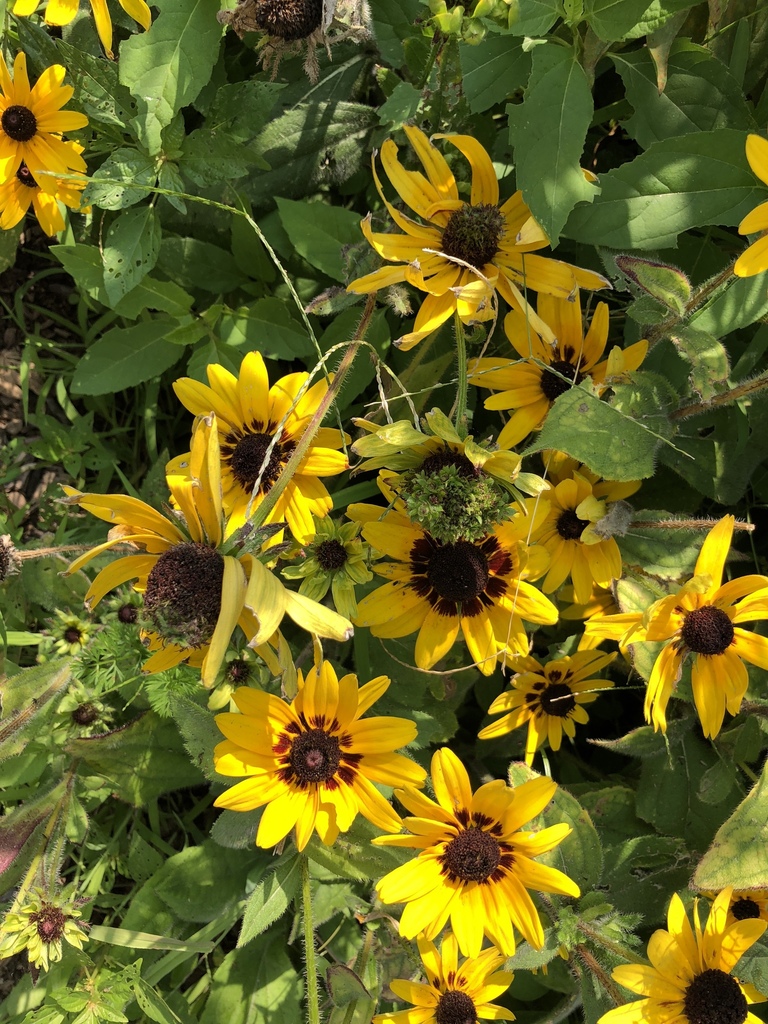
Black-eyed SusanRudbeckia hirta
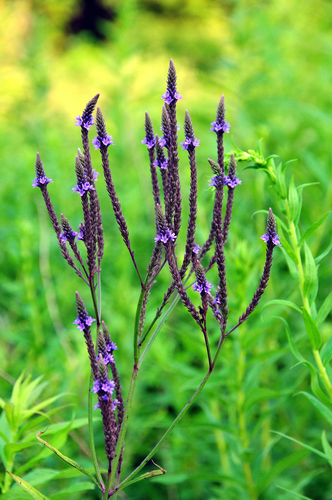
Blue VervainVerbena hastata
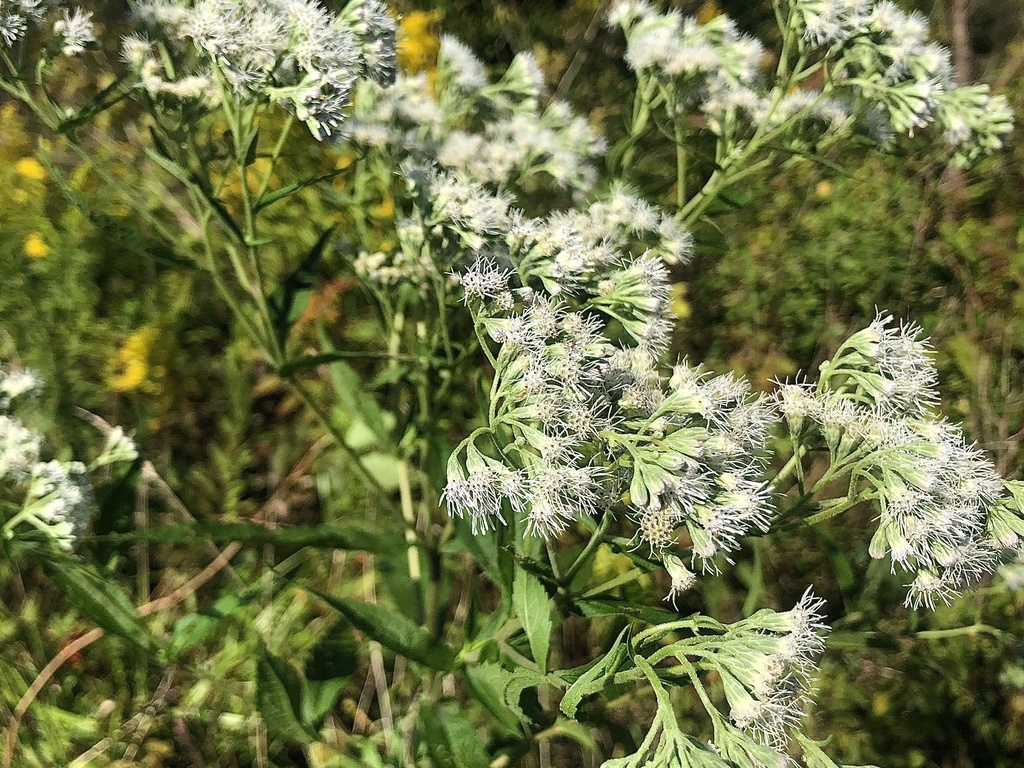
BonesetEupatorium perfoliatum
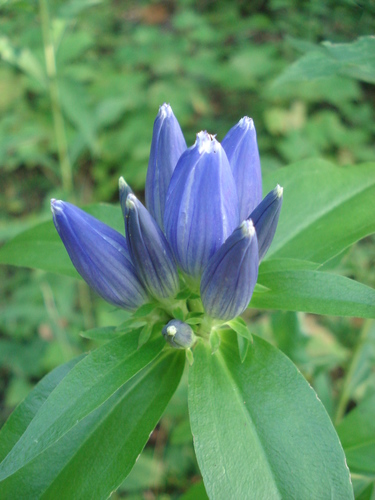
Bottle GentianGentiana andrewsii
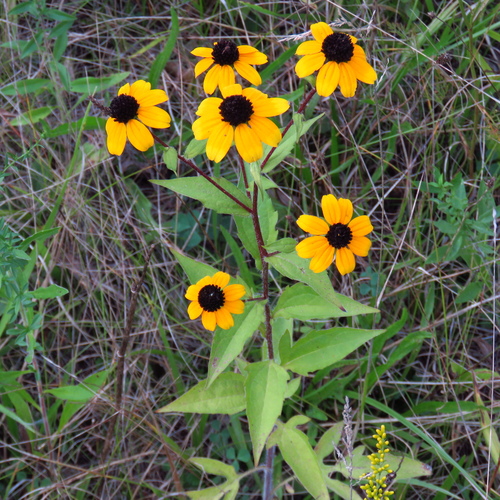
Brown-eyed SusanRudbeckia triloba
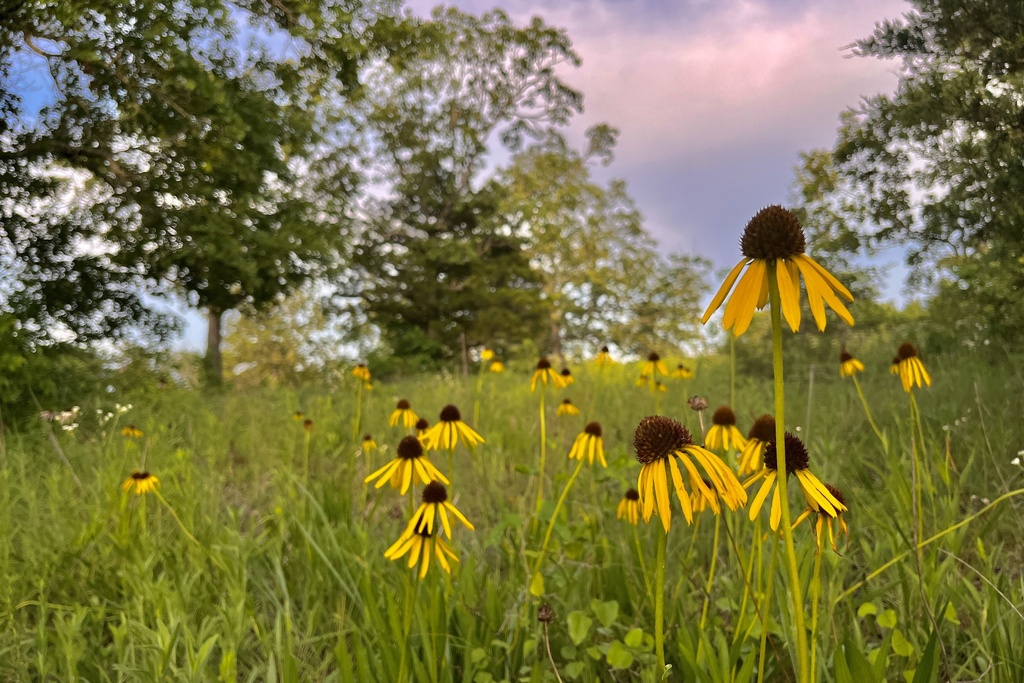
Bush's ConeflowerEchinacea paradoxa
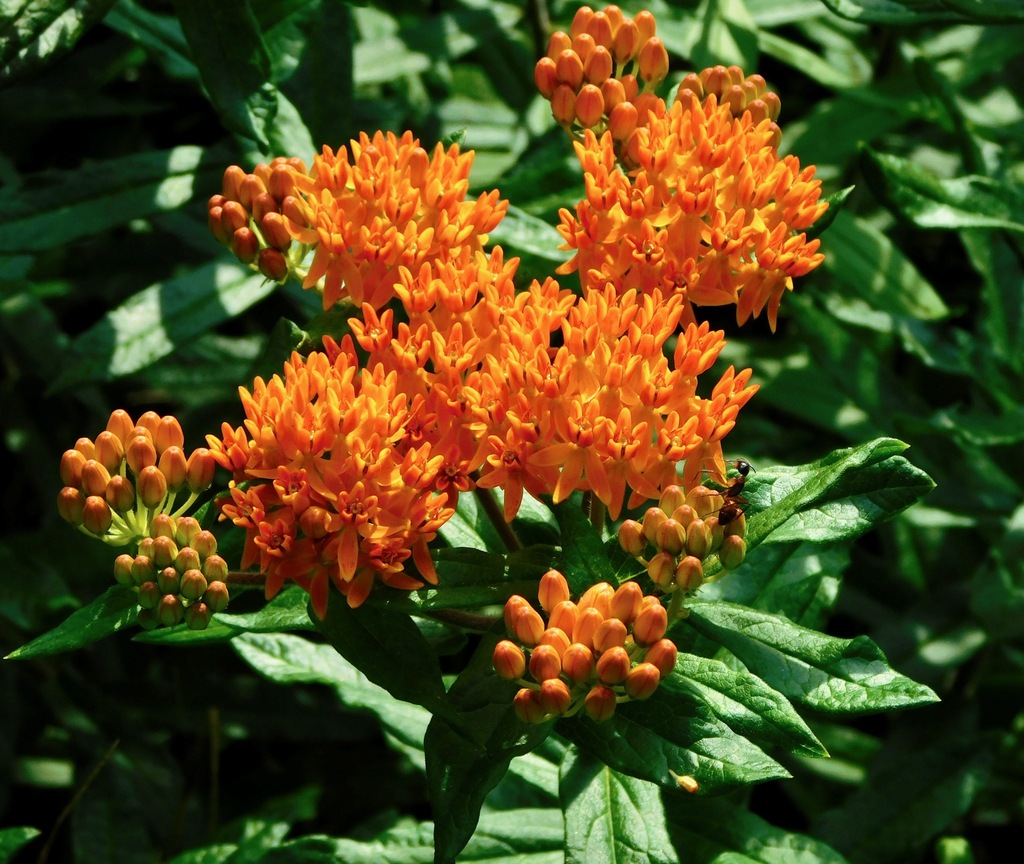
Butterfly WeedAsclepias tuberosa
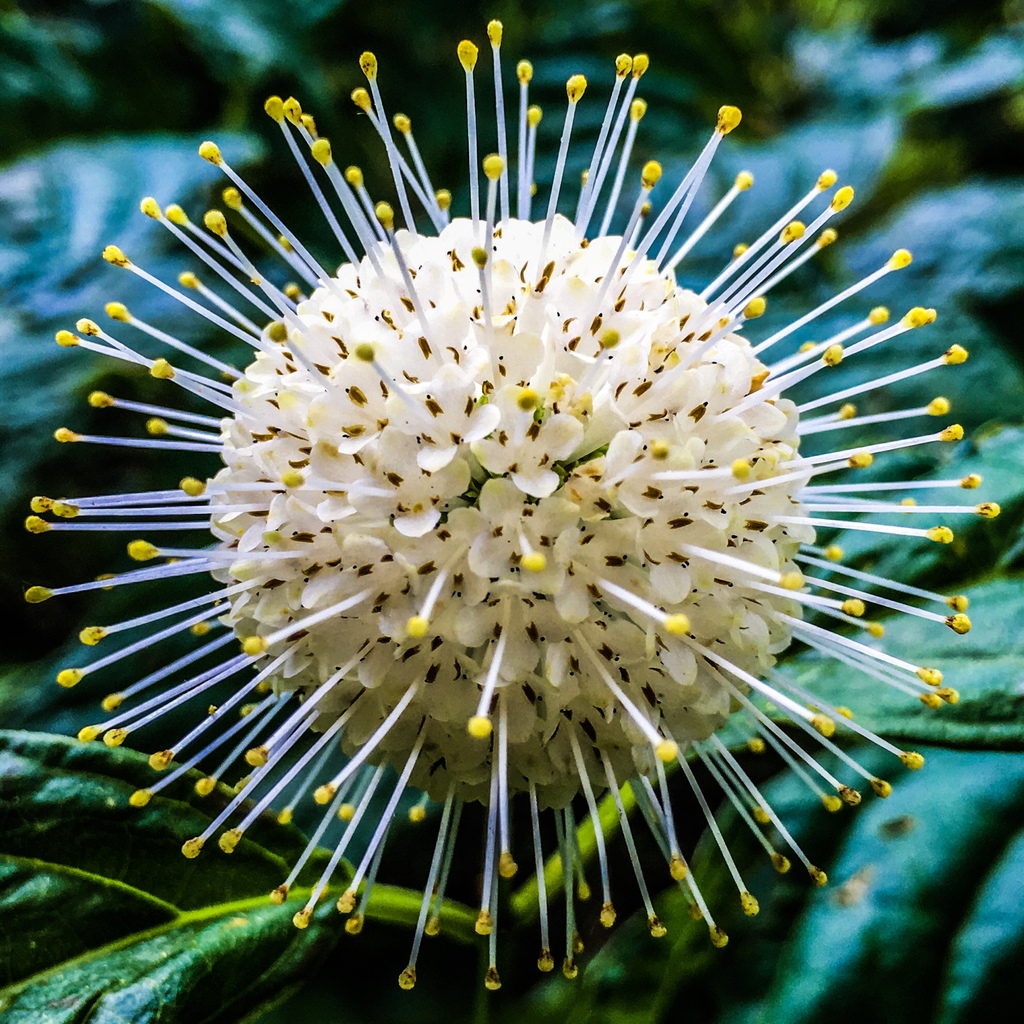
ButtonbushCephalanthus occidentalis
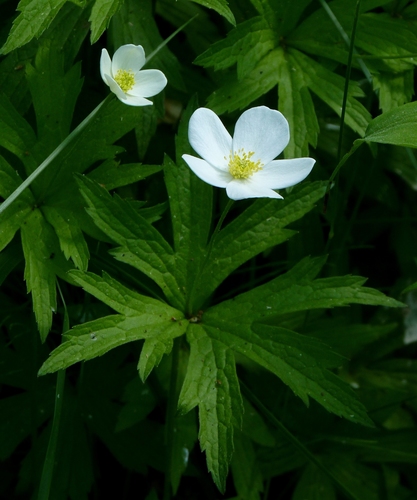
Canada AnemoneAnemone canadensis
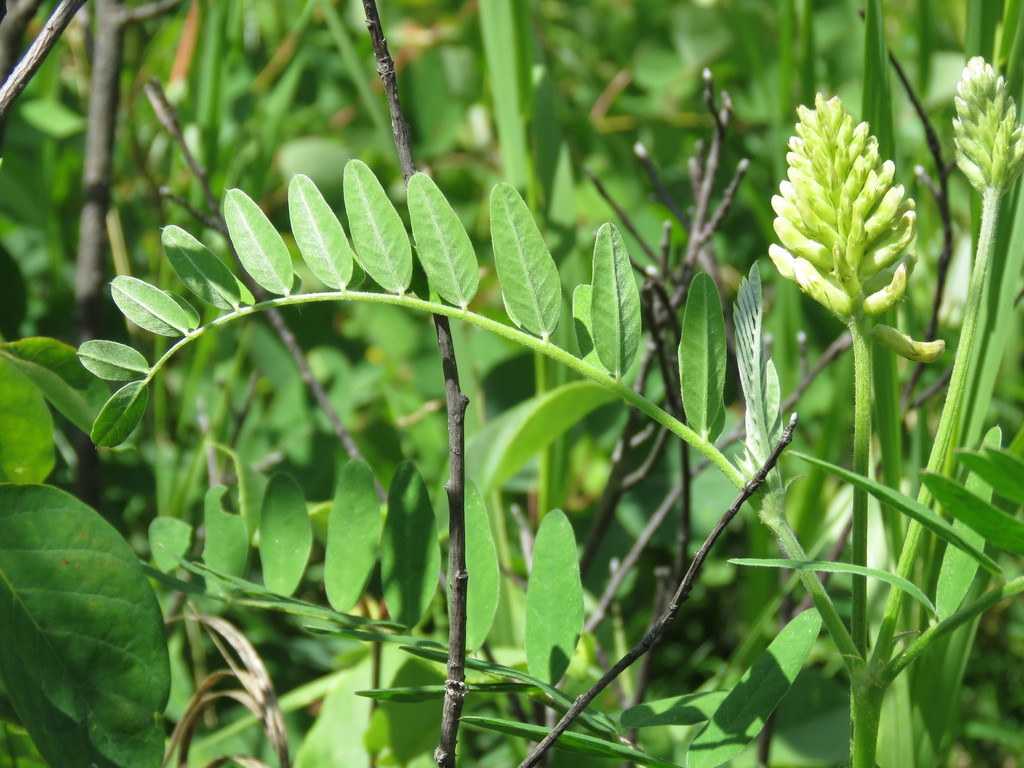
Canada Milk VetchAstragalus canadensis
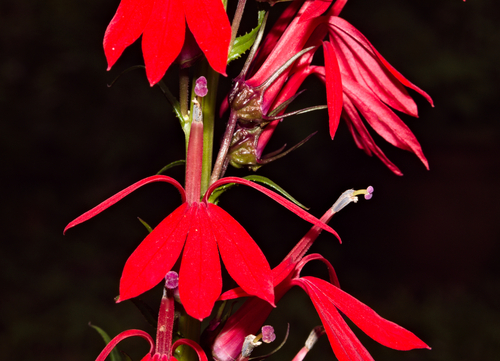
Cardinal FlowerLobelia cardinalis
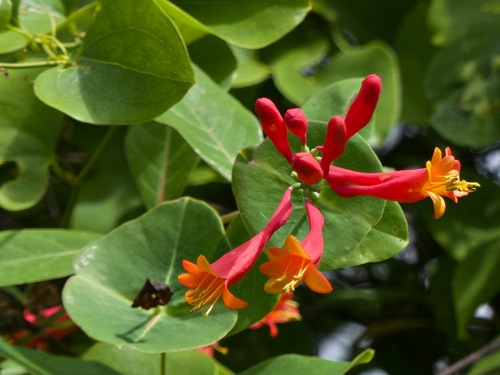
Coral HoneysuckleLonicera sempervirens
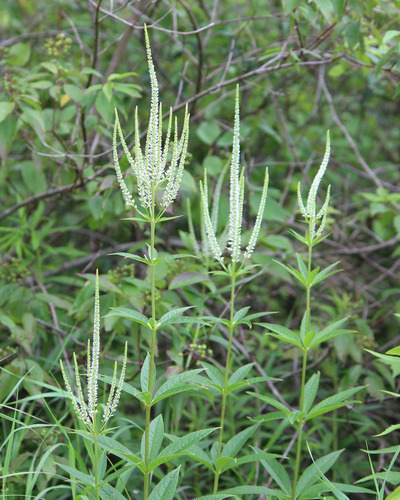
Culver's RootVeronicastrum virginicum
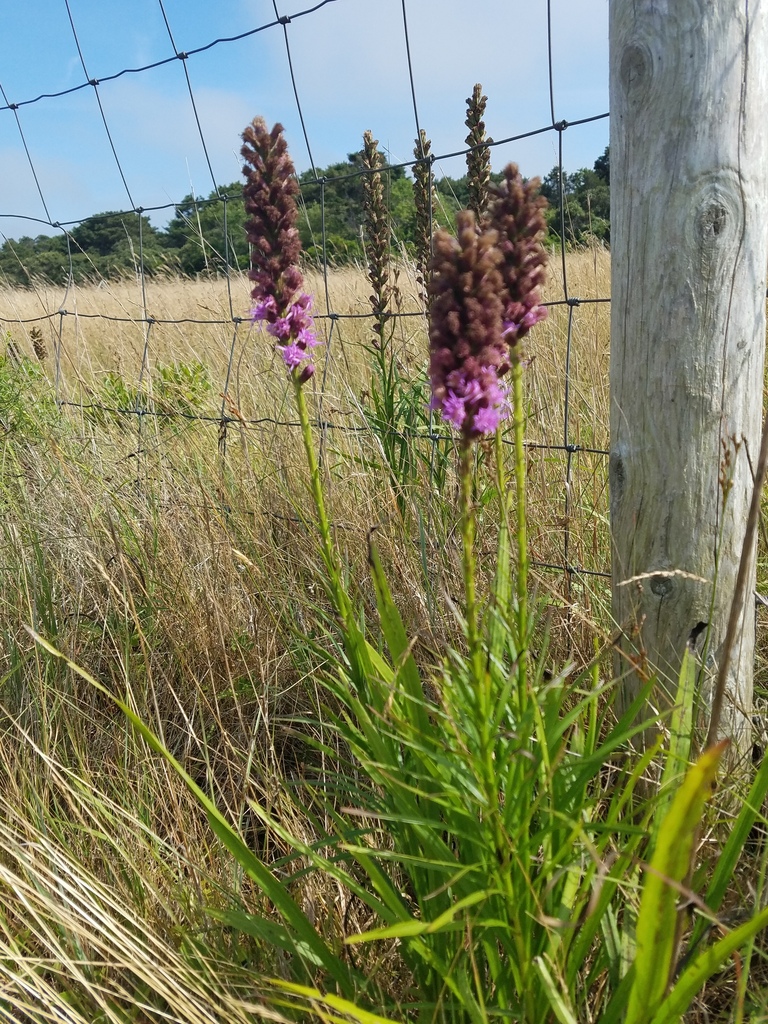
Dense Blazing StarLiatris spicata
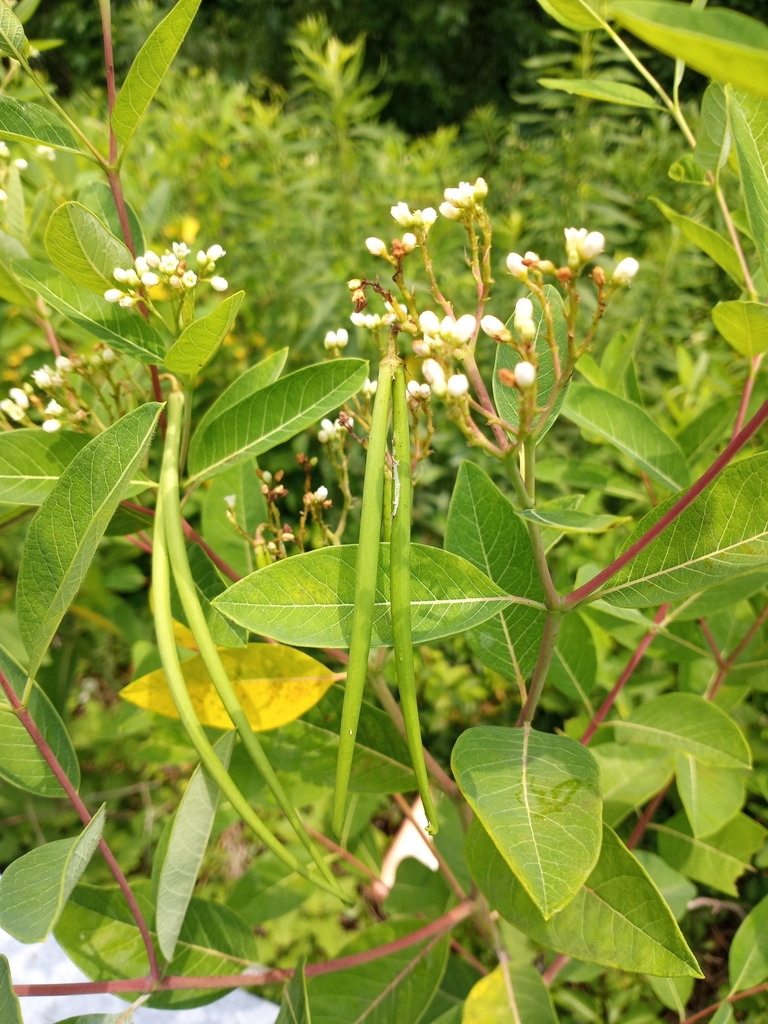
DogbaneApocynum cannabinum
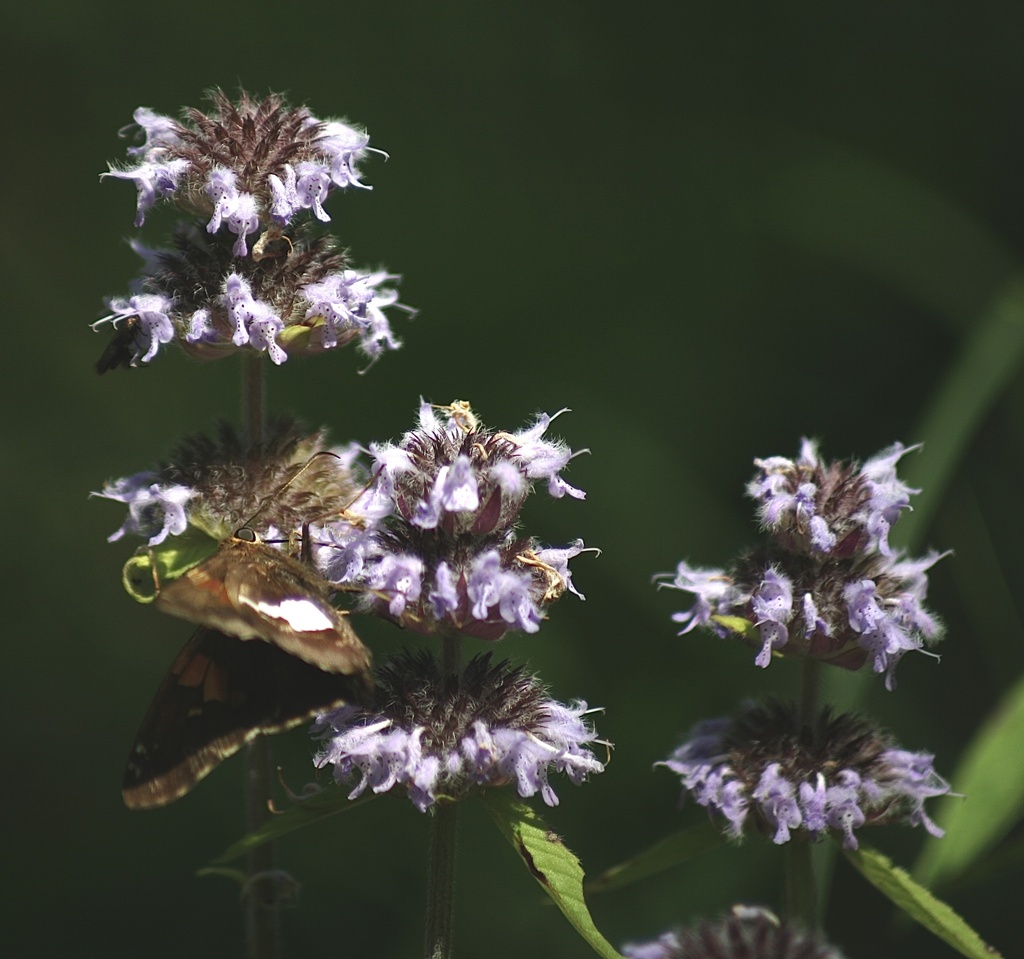
Downy Wood MintBlephilia ciliata
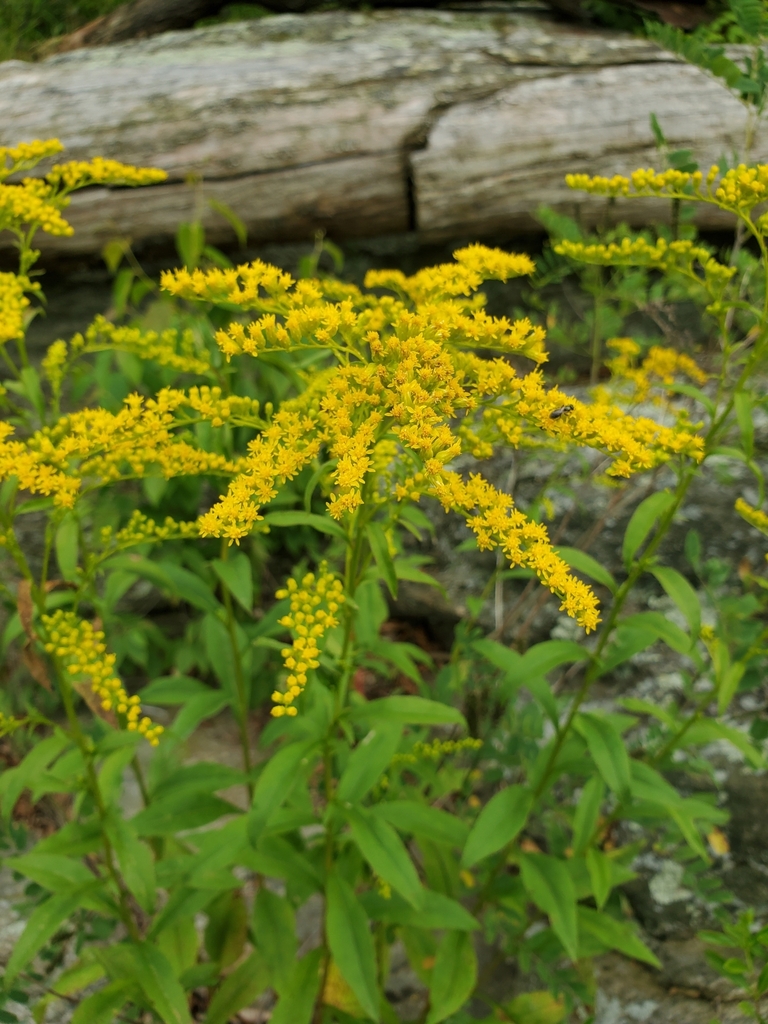
Early GoldenrodSolidago juncea
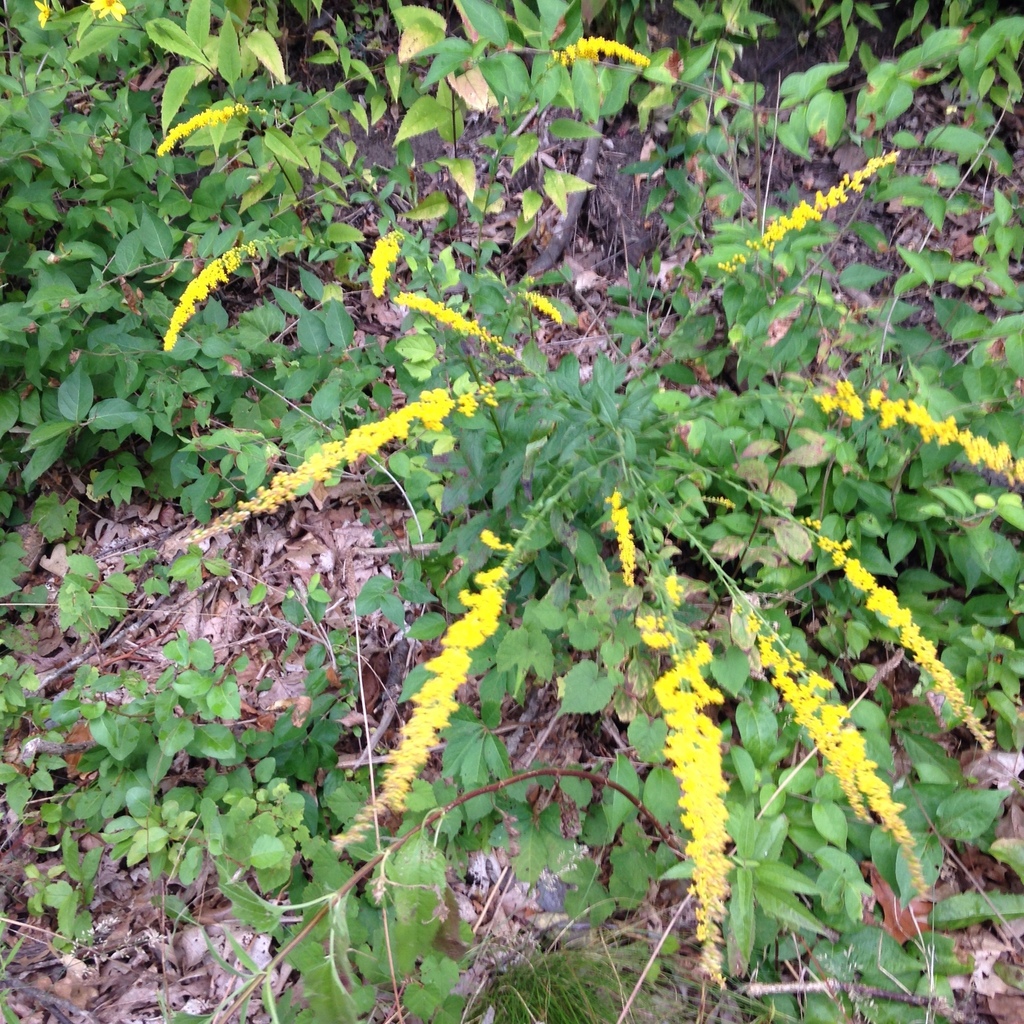
Elm-leaved GoldenrodSolidago ulmifolia
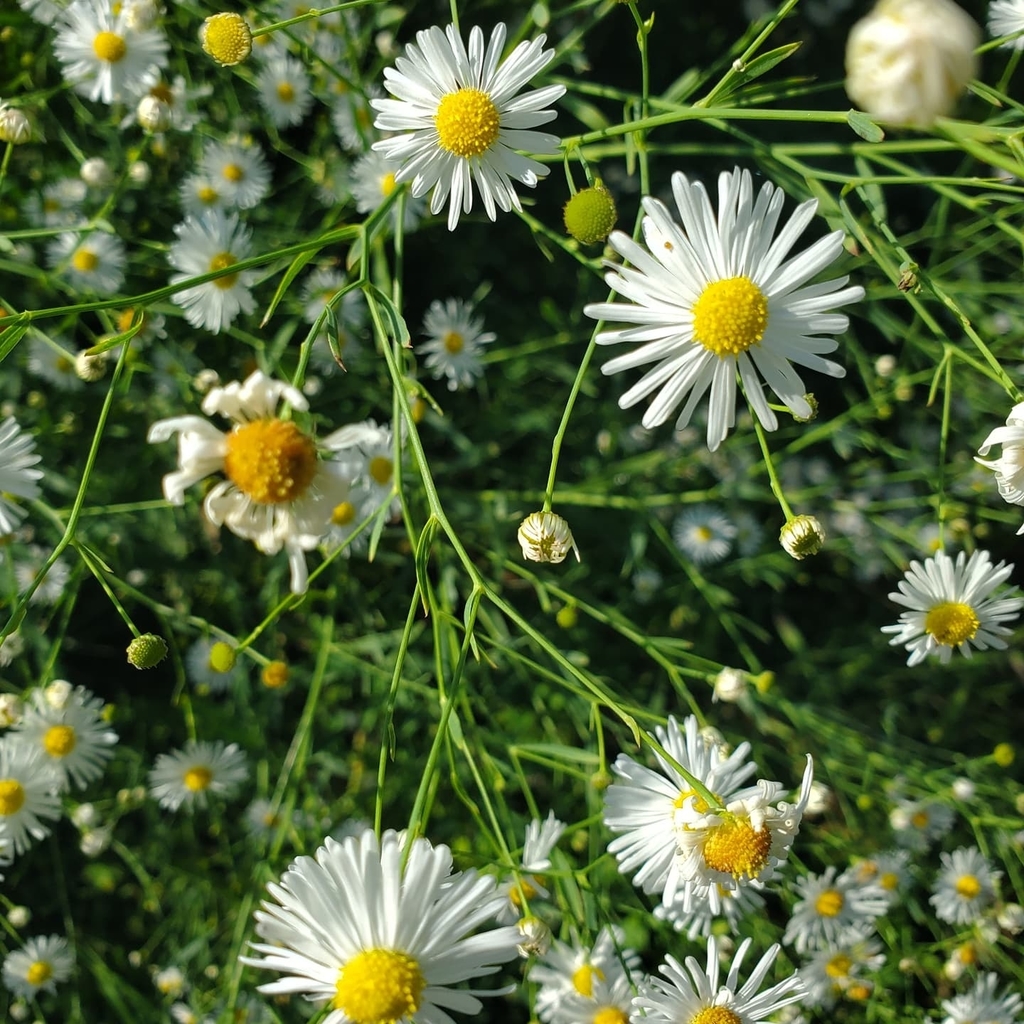
False AsterBoltonia asteroides
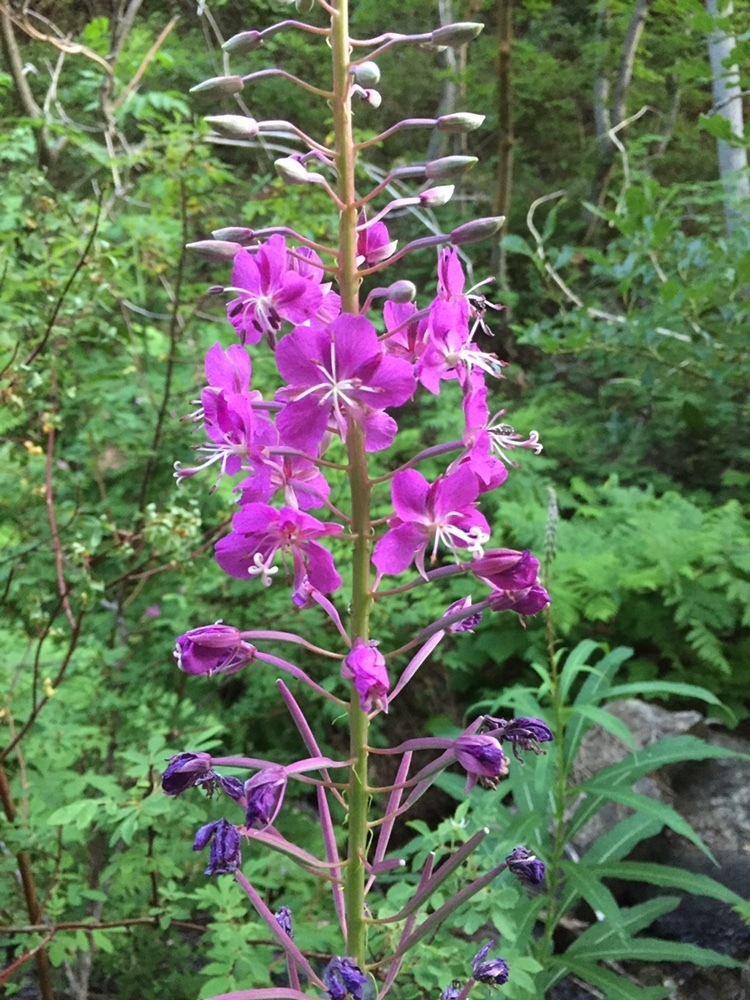
FireweedChamaenerion angustifolium
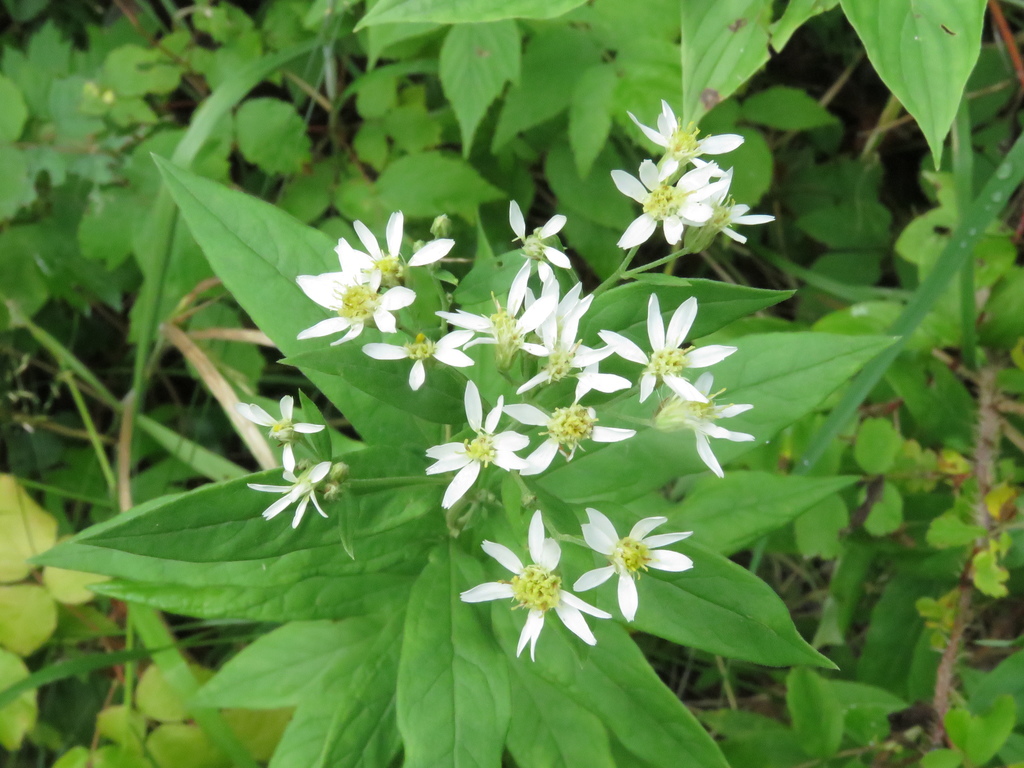
Flat-topped AsterDoellingeria umbellata
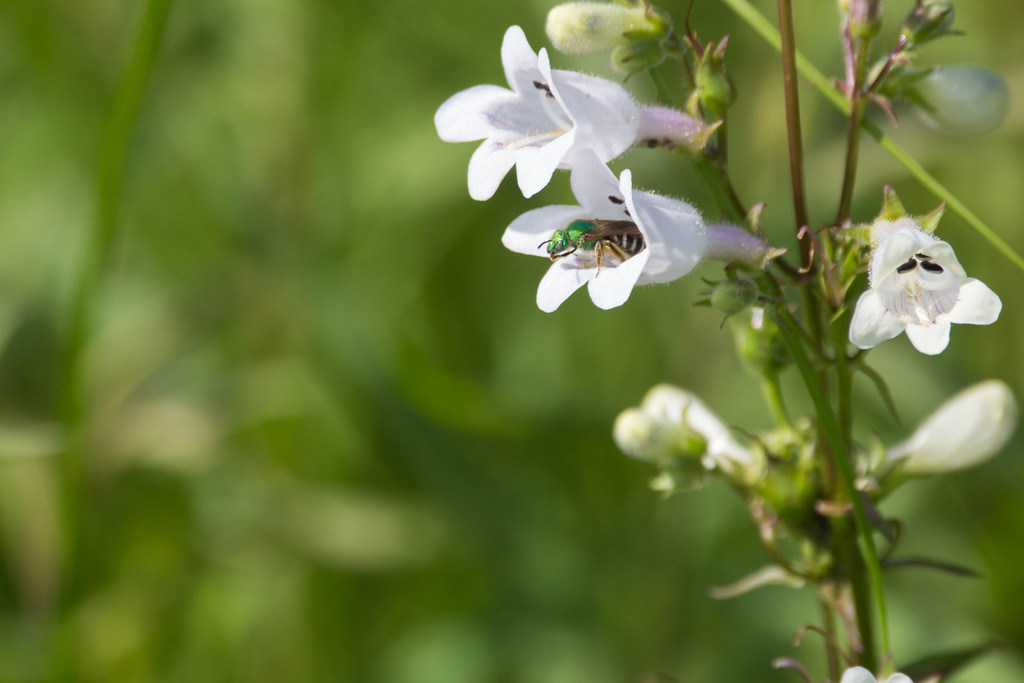
Foxglove BeardtonguePenstemon digitalis
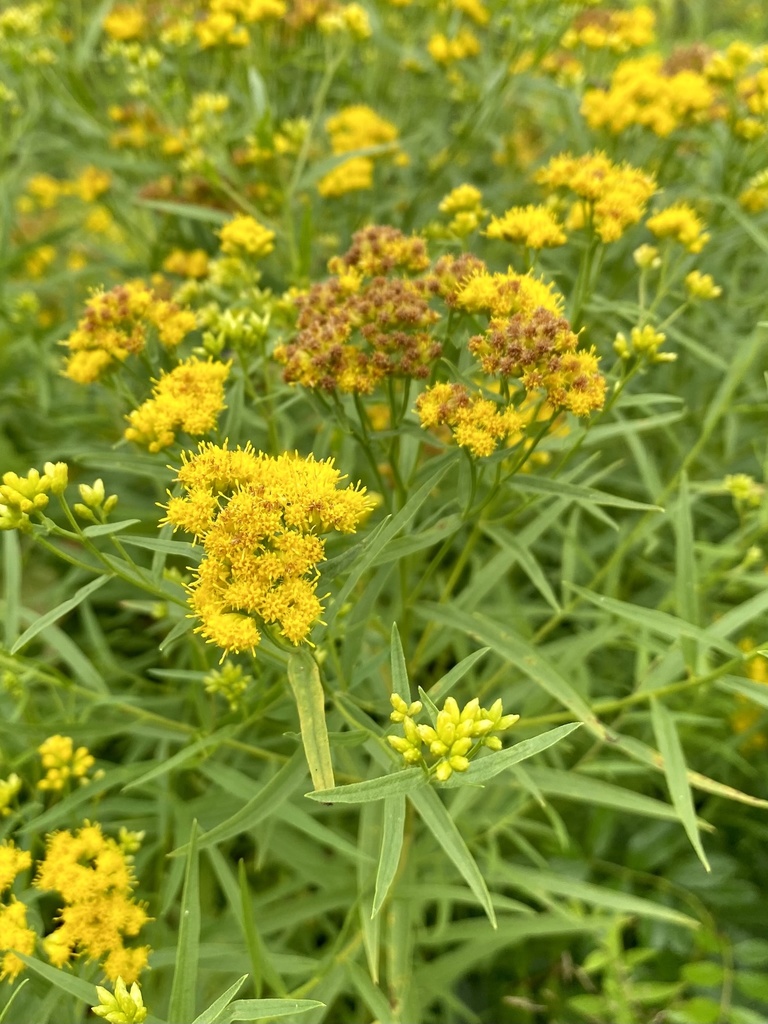
Grass-leaved GoldenrodEuthamia graminifolia
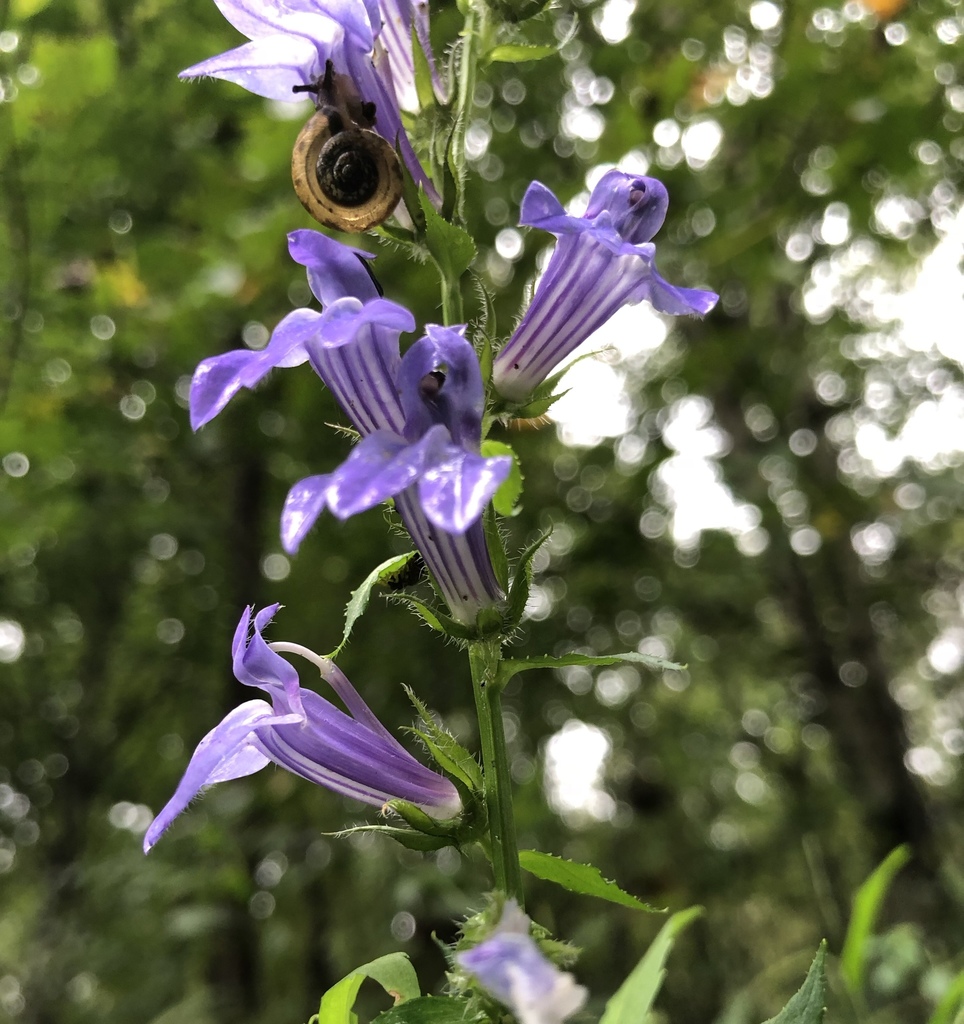
Great Blue LobeliaLobelia siphilitica
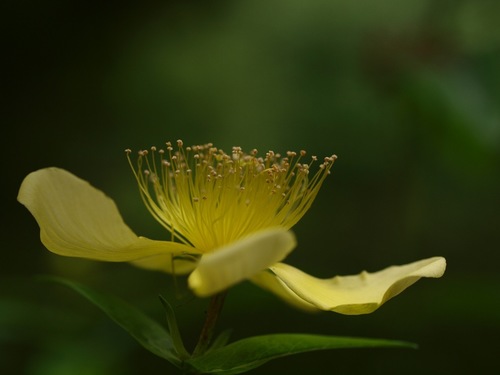
Great St. John's WortHypericum pyramidatum
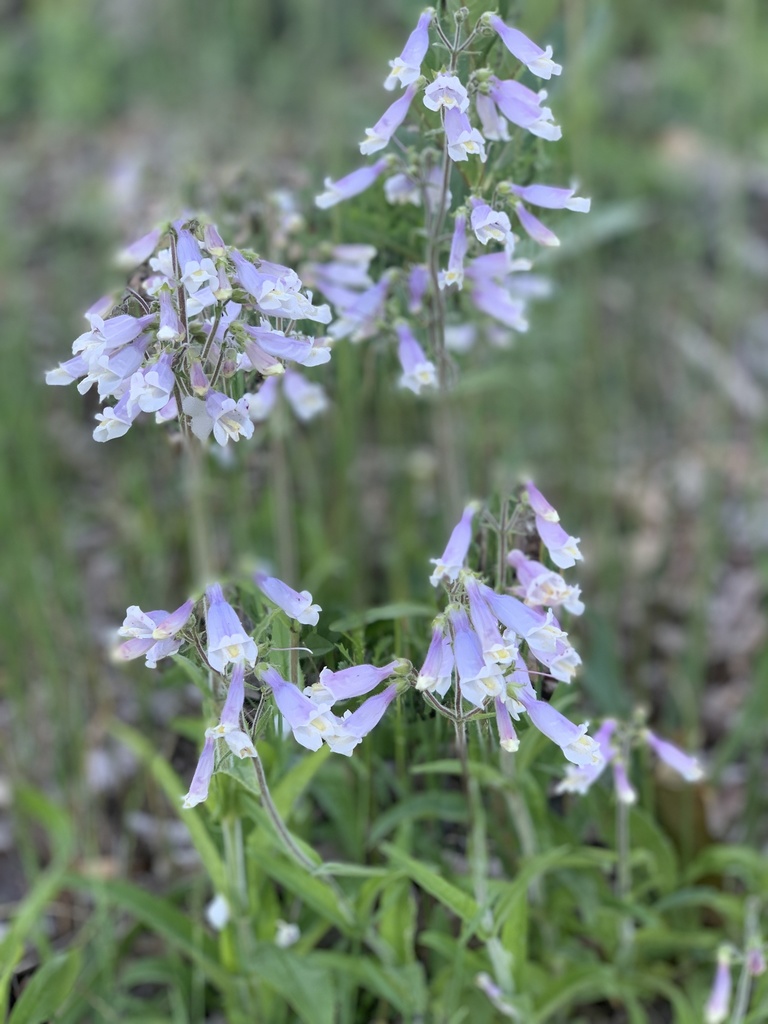
Hairy BeardtonguePenstemon hirsutus
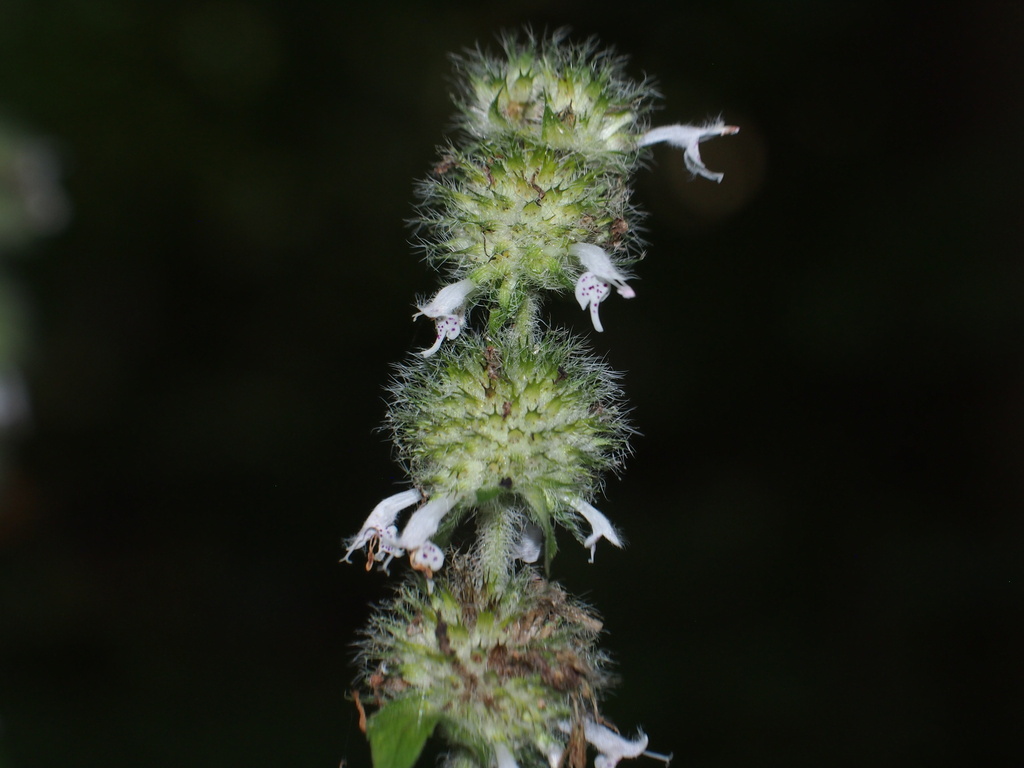
Hairy Wood MintBlephilia hirsuta
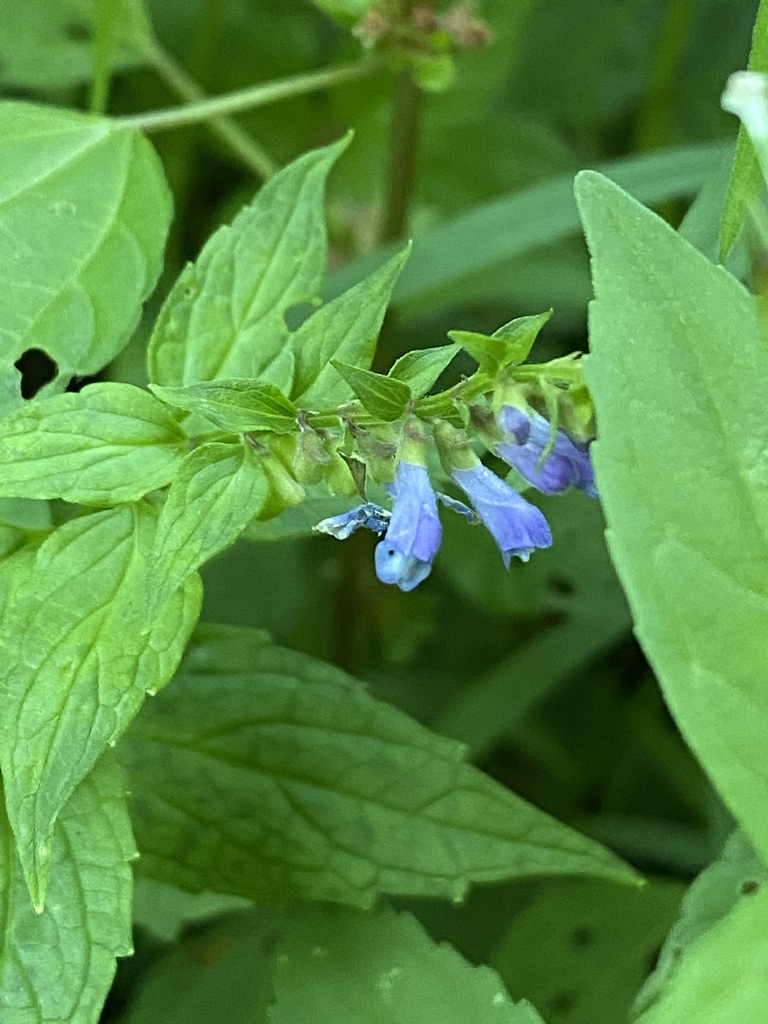
Mad-dog SkullcapScutellaria lateriflora
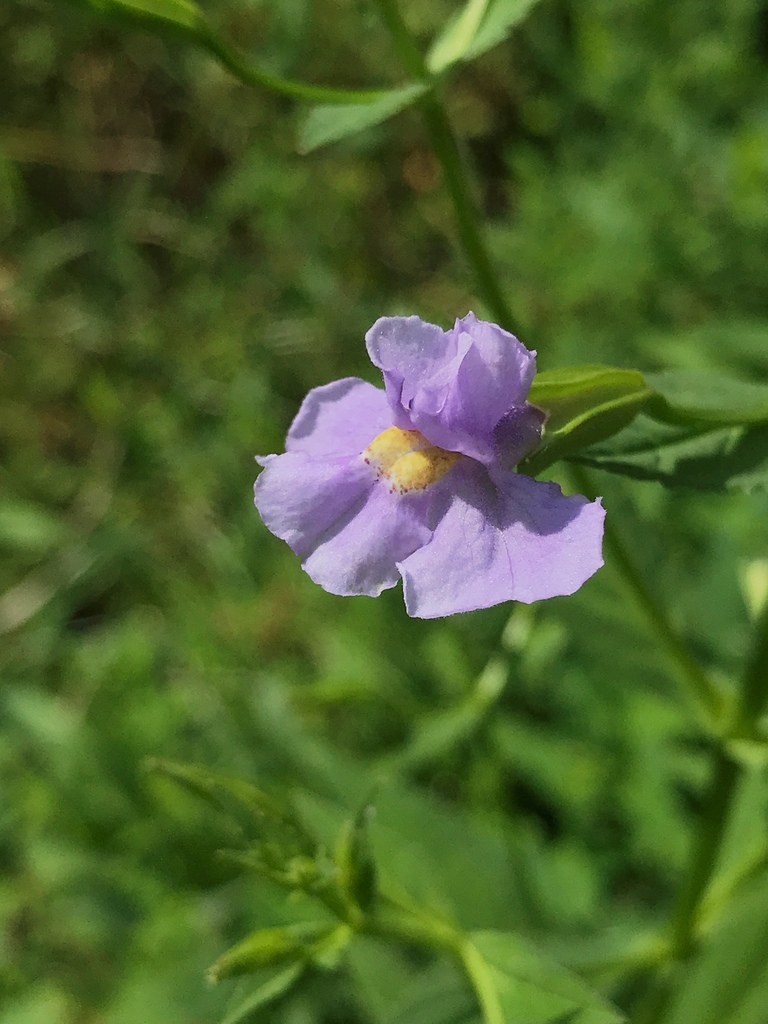
Monkey FlowerMimulus ringens
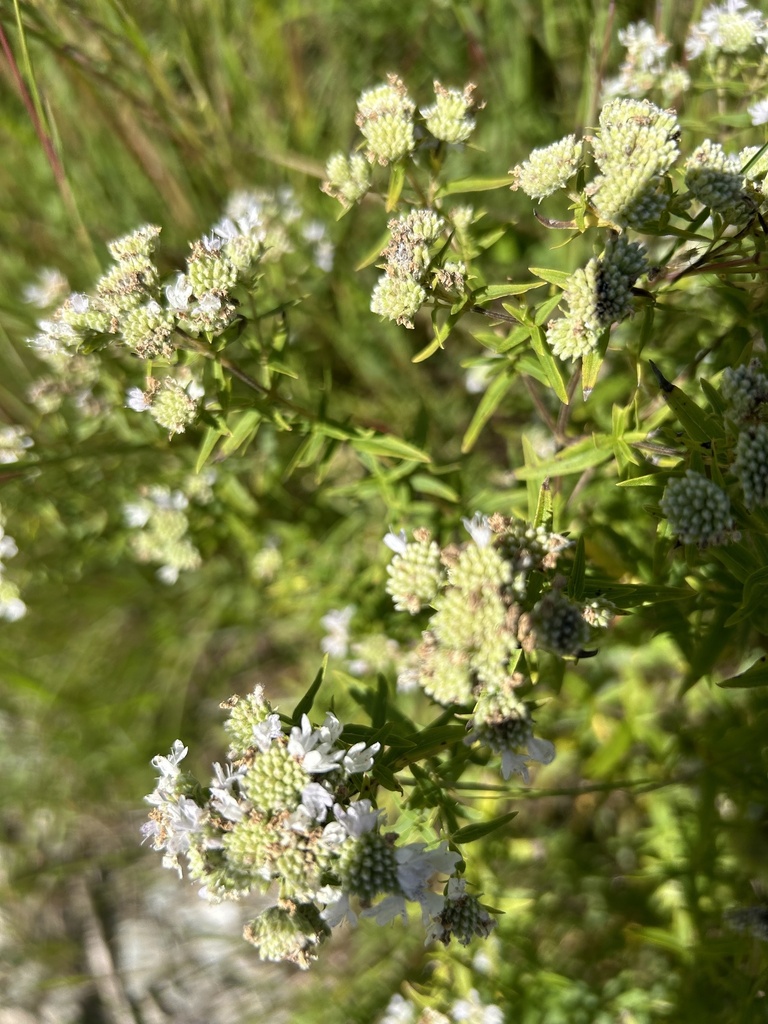
Mountain MintPycnanthemum virginianum
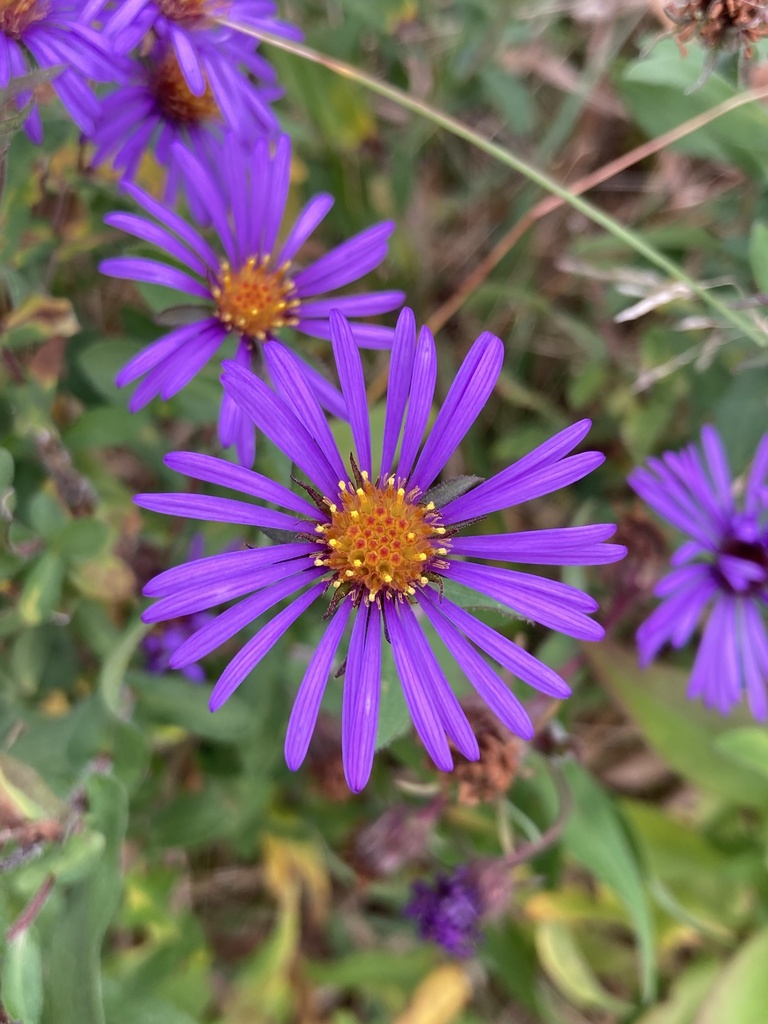
New England AsterSymphyotrichum novae-angliae
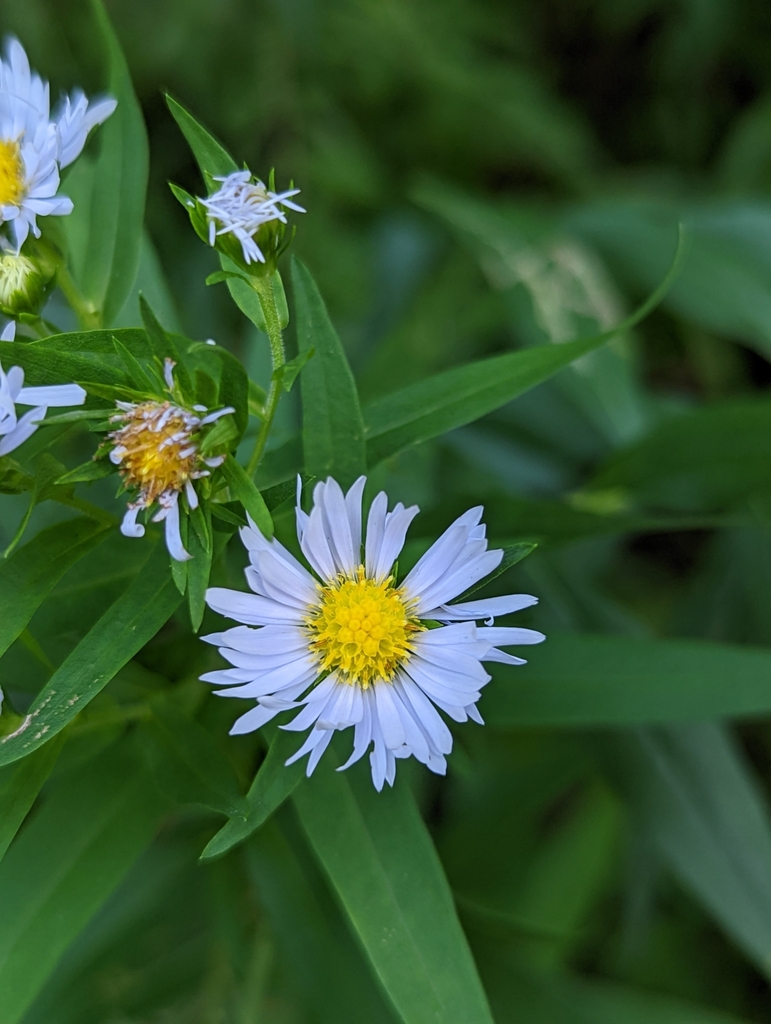
New York AsterSymphyotrichum novi-belgii
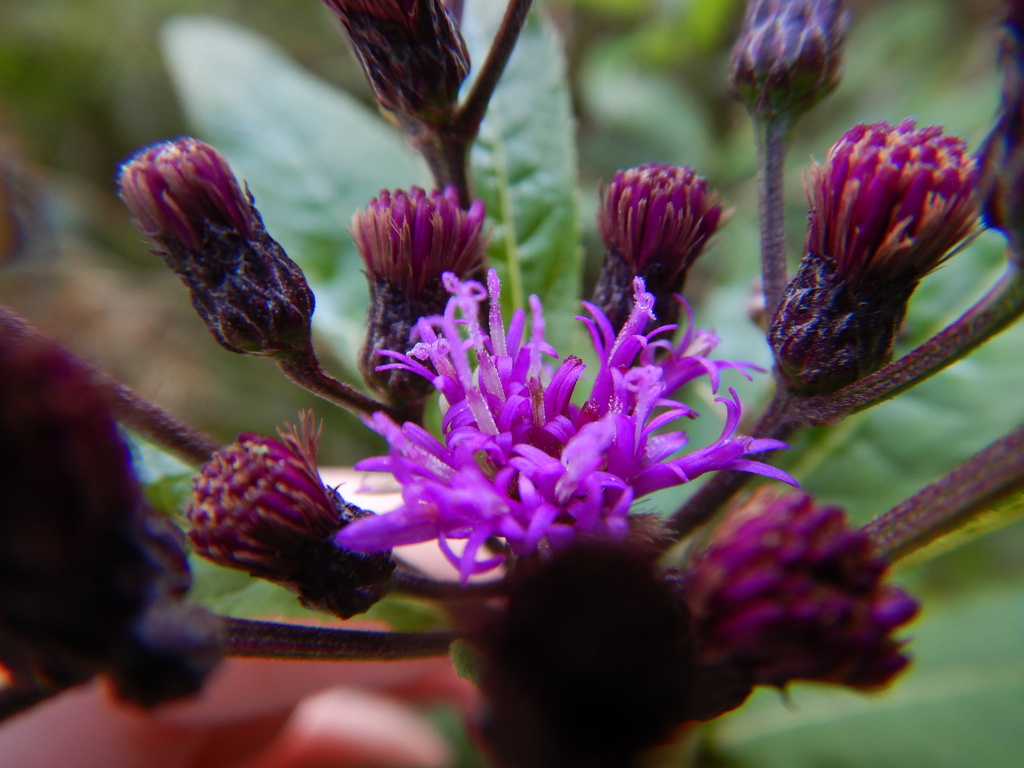
New York IronweedVernonia noveboracensis
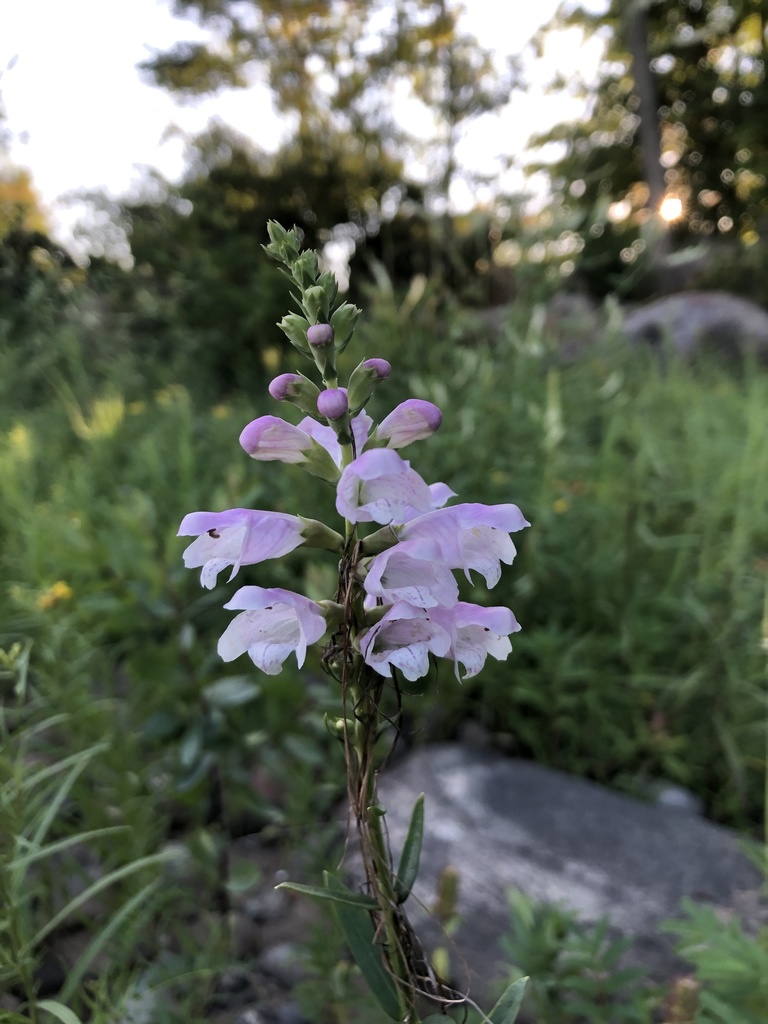
Obedient PlantPhysostegia virginiana
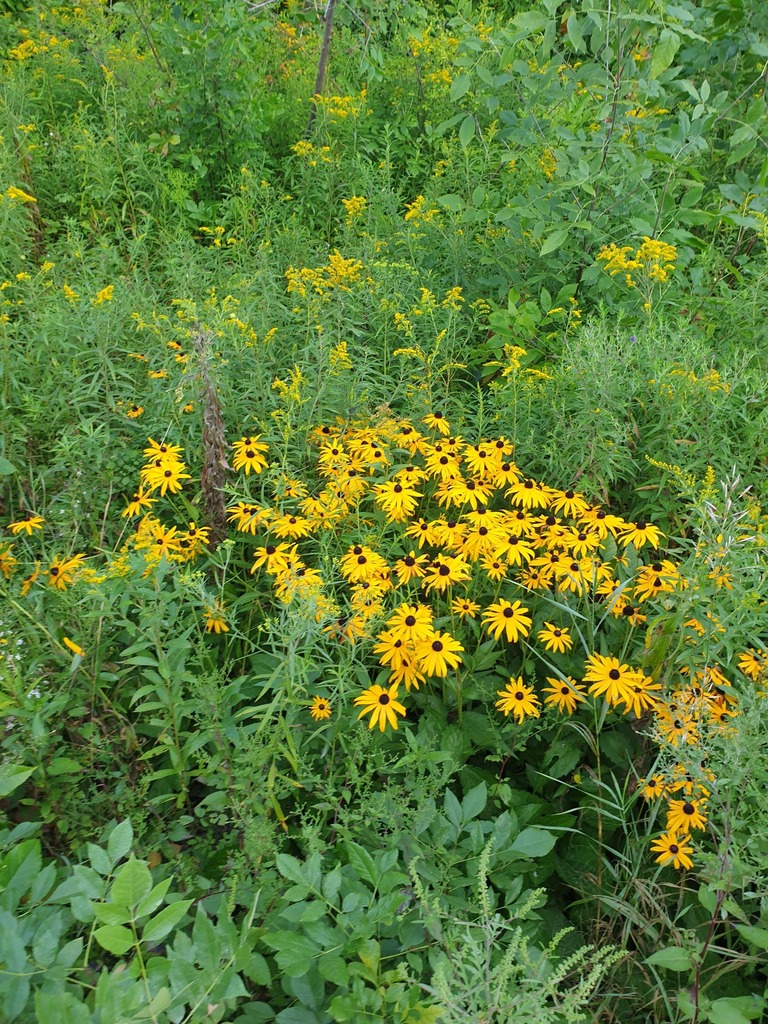
Orange ConeflowerRudbeckia fulgida var. sullivantii
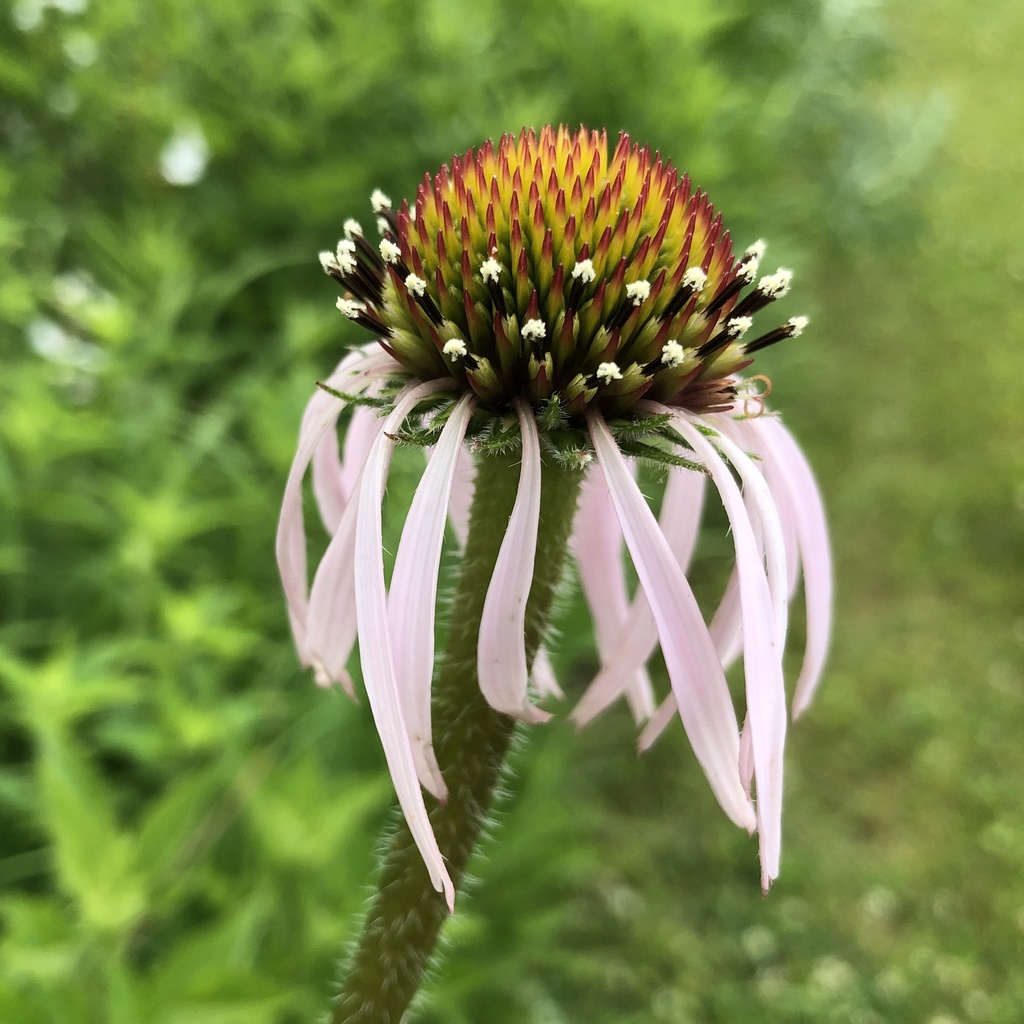
Pale Purple ConeflowerEchinacea pallida
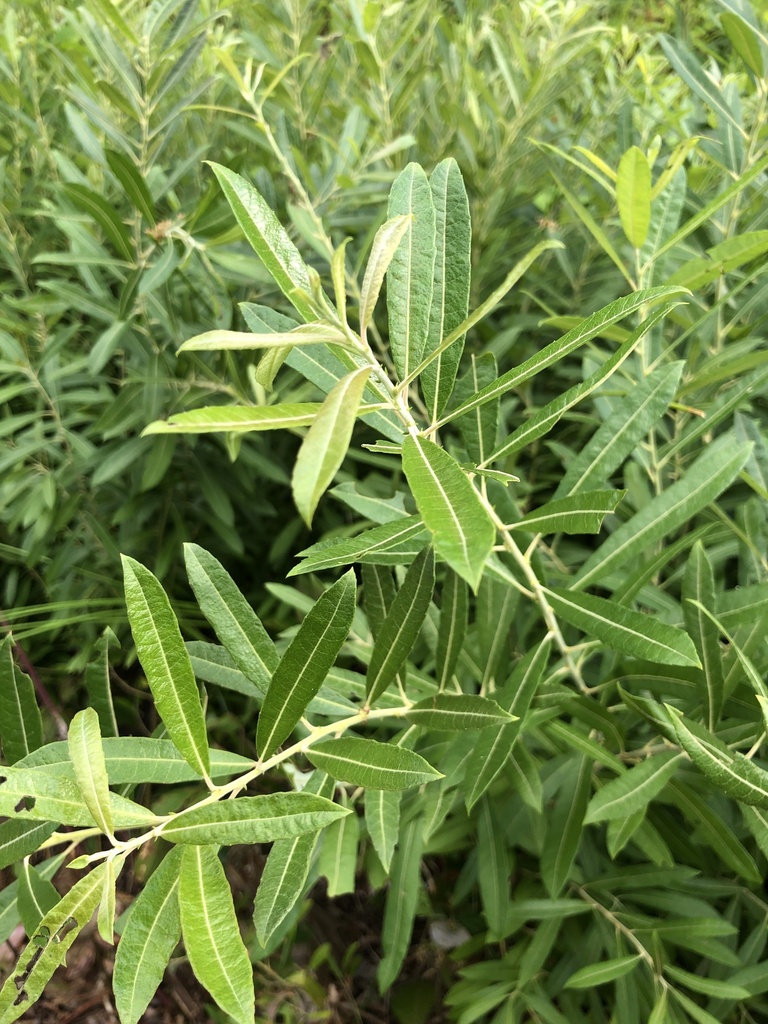
Prairie WillowSalix humilis
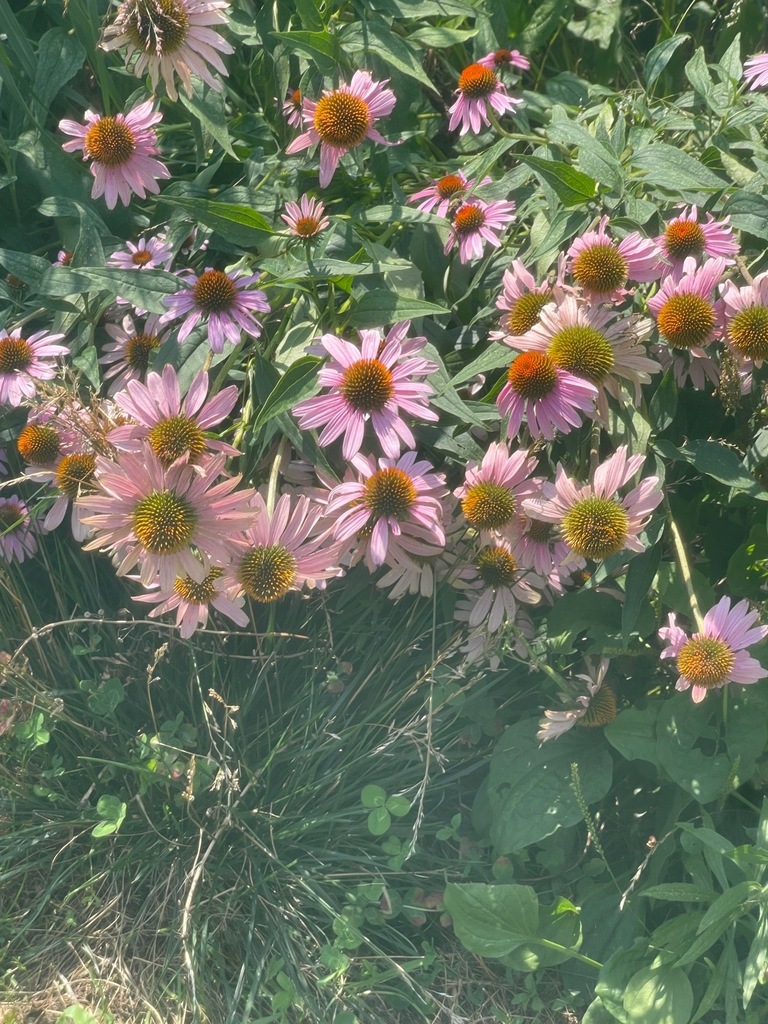
Purple ConeflowerEchinacea purpurea
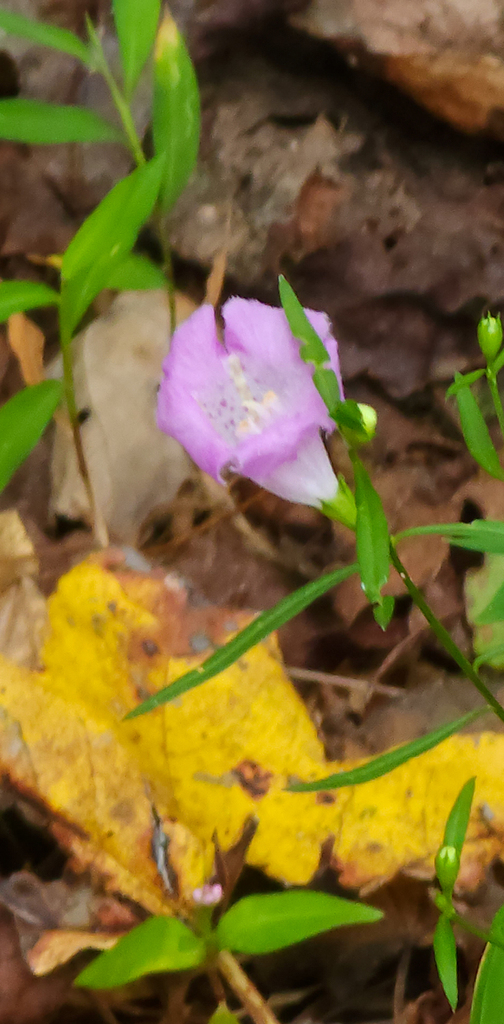
Purple False FoxgloveAgalinis purpurea
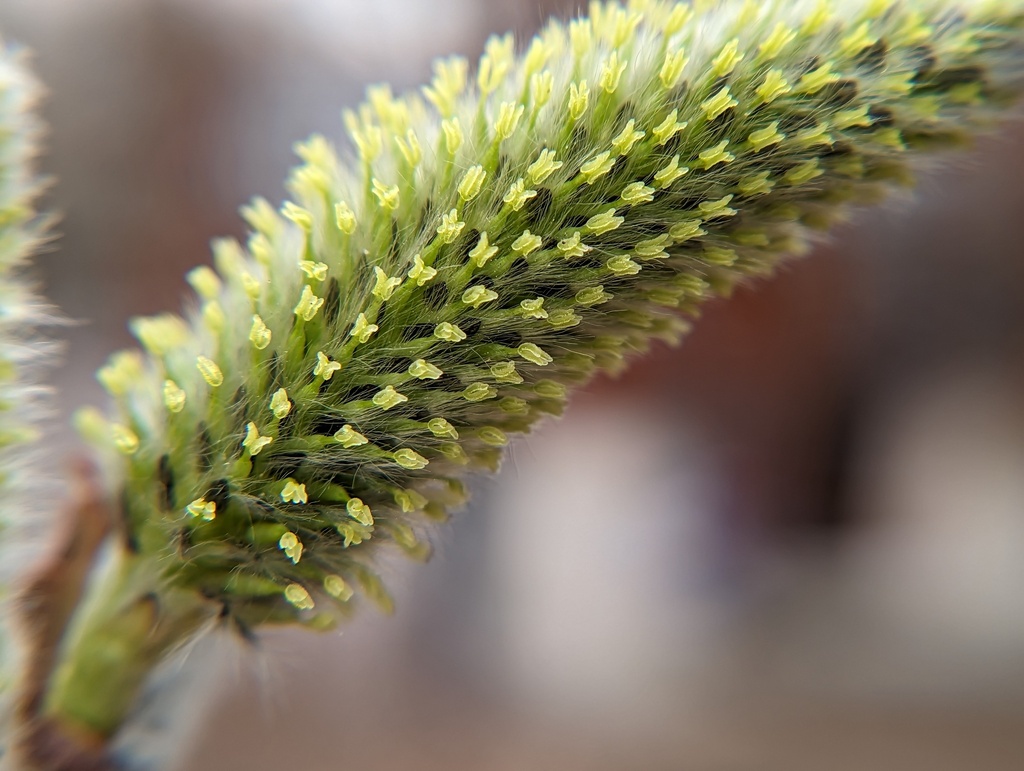
Pussy WillowSalix discolor
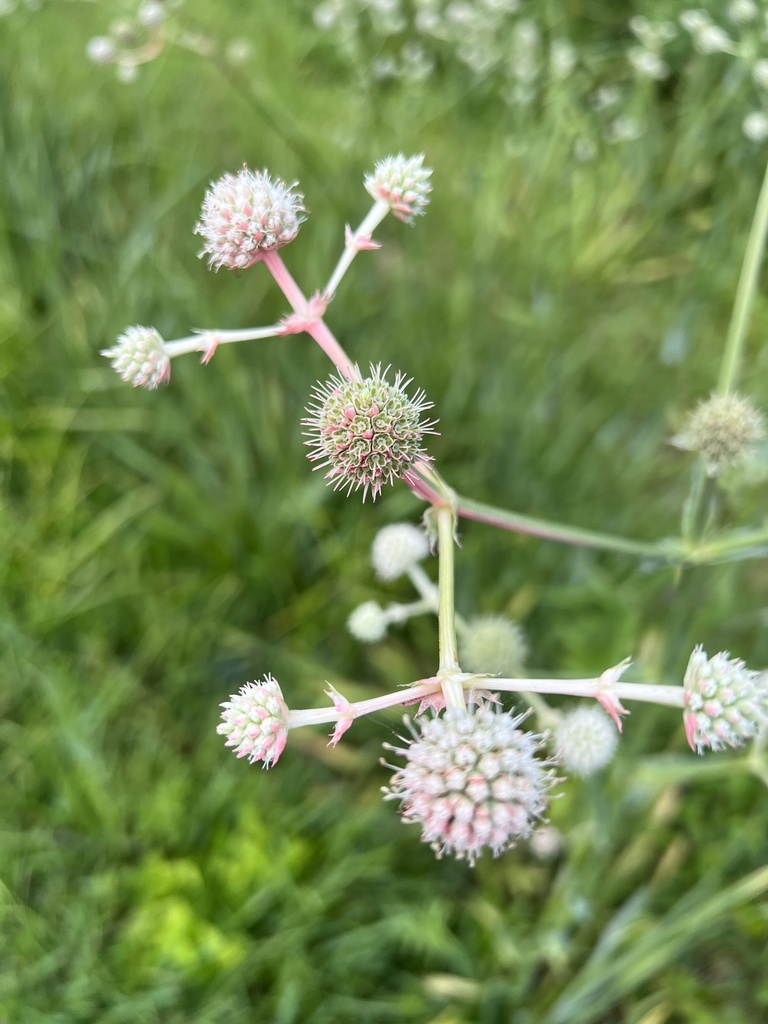
Rattlesnake MasterEryngium yuccifolium
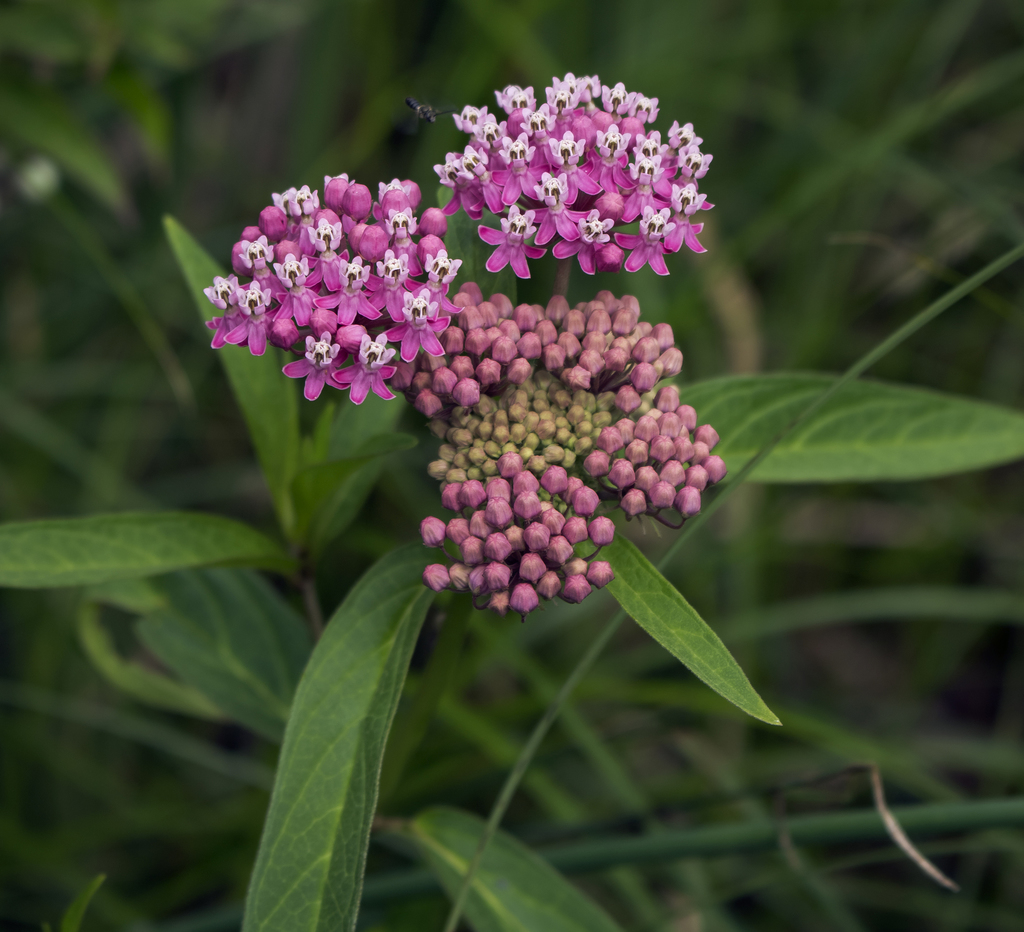
Rose MilkweedAsclepias incarnata
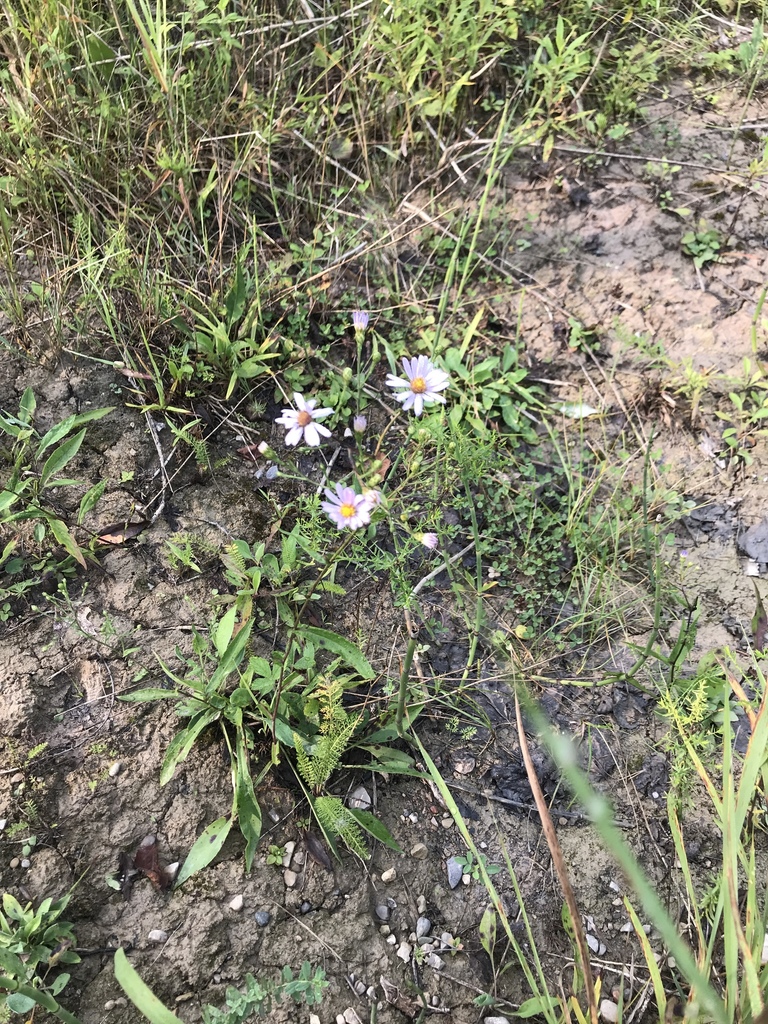
Sky Blue AsterSymphyotrichum oolentangiense
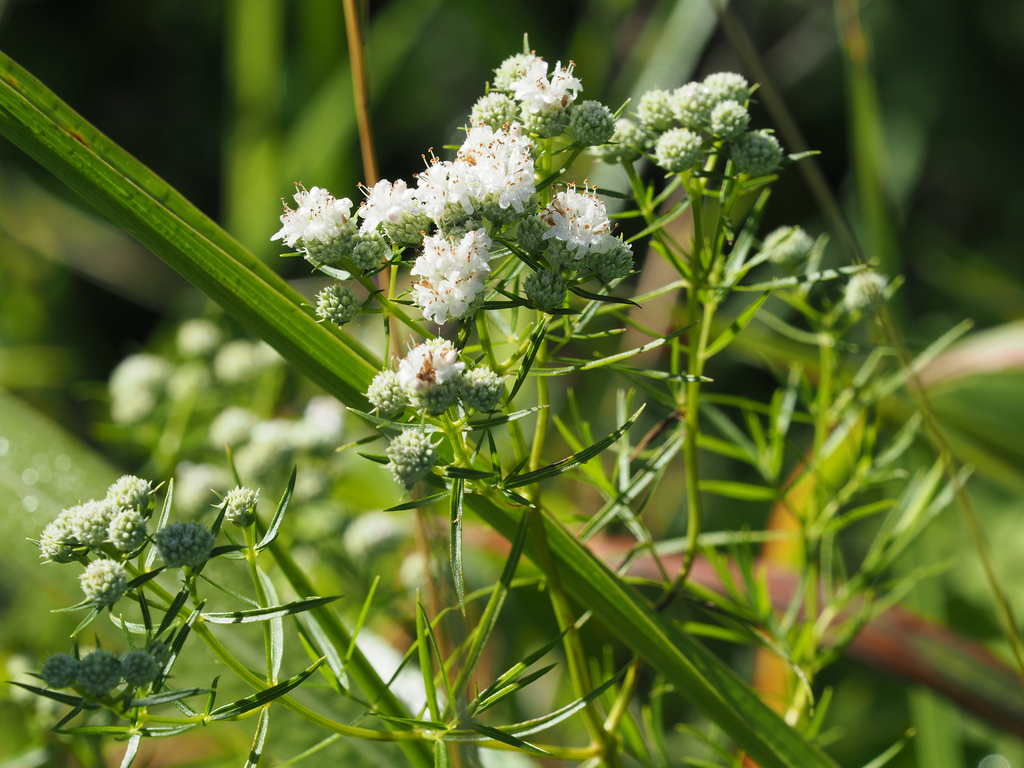
Slender Mountain MintPycnanthemum tenuifolium
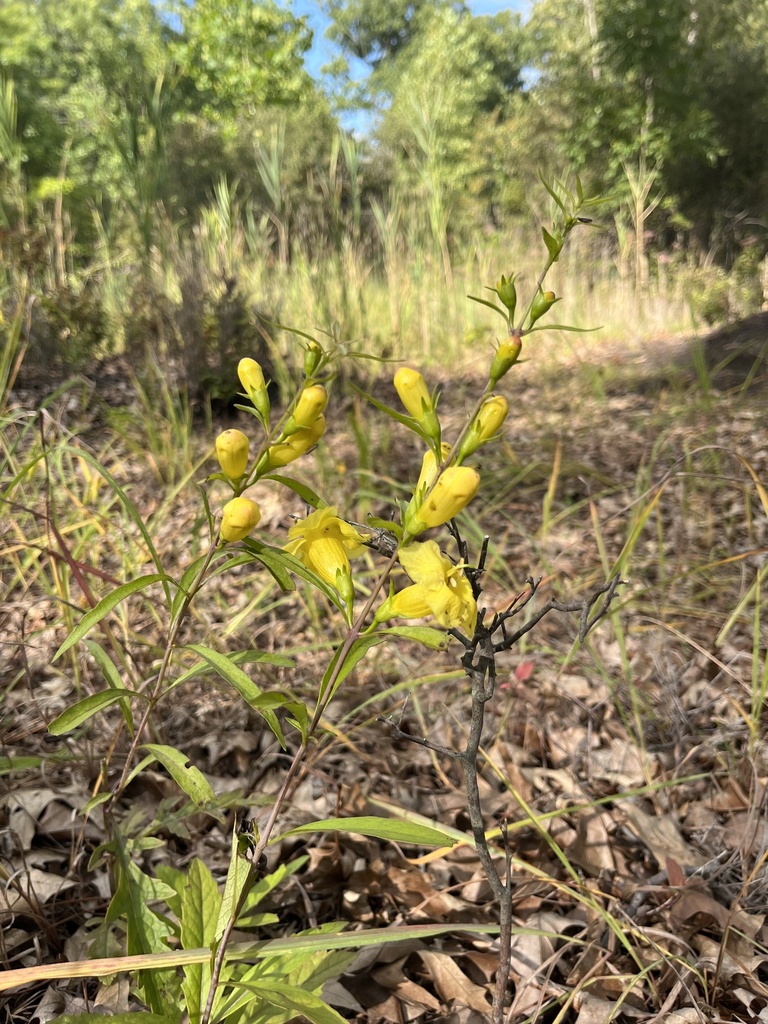
Smooth Yellow False FoxgloveAureolaria flava
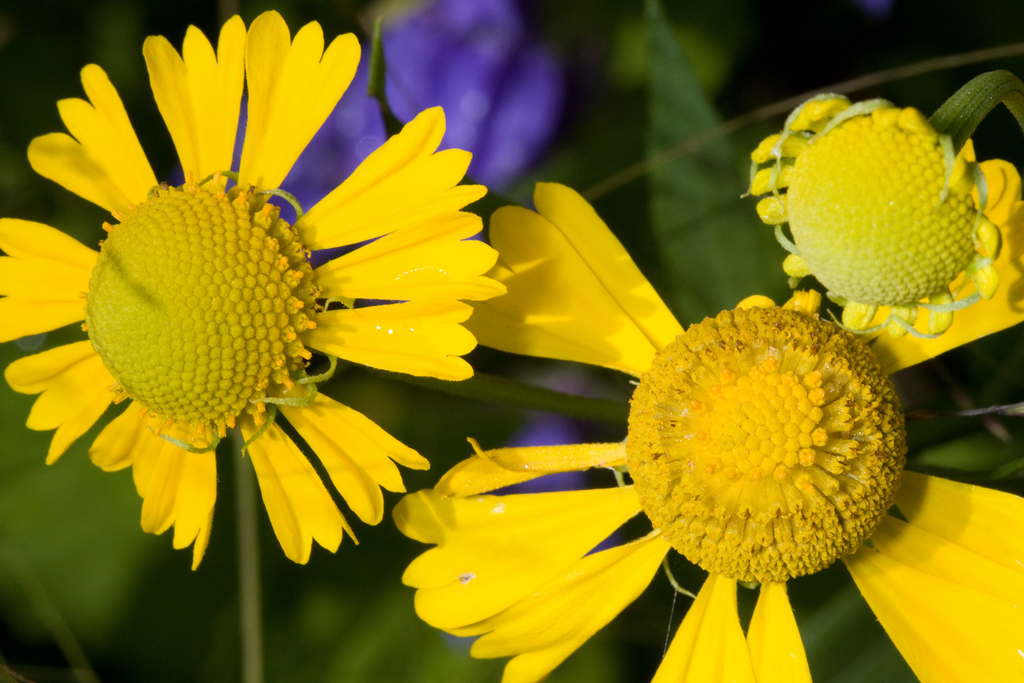
SneezeweedHelenium autumnale
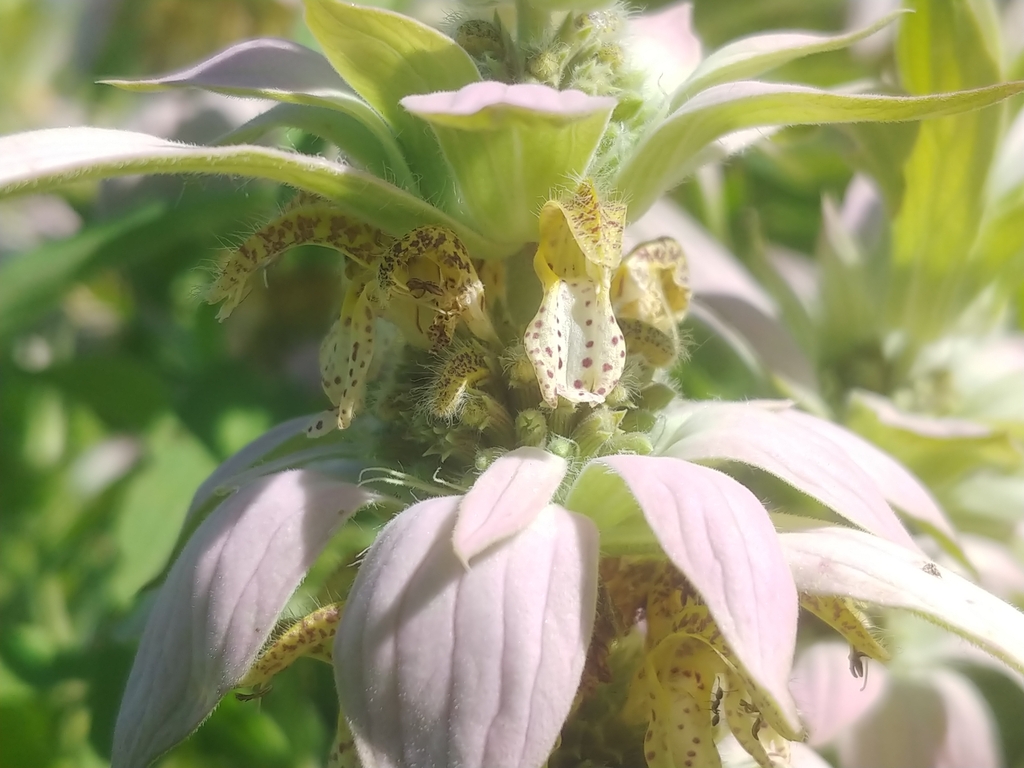
Spotted Bee BalmMonarda punctata
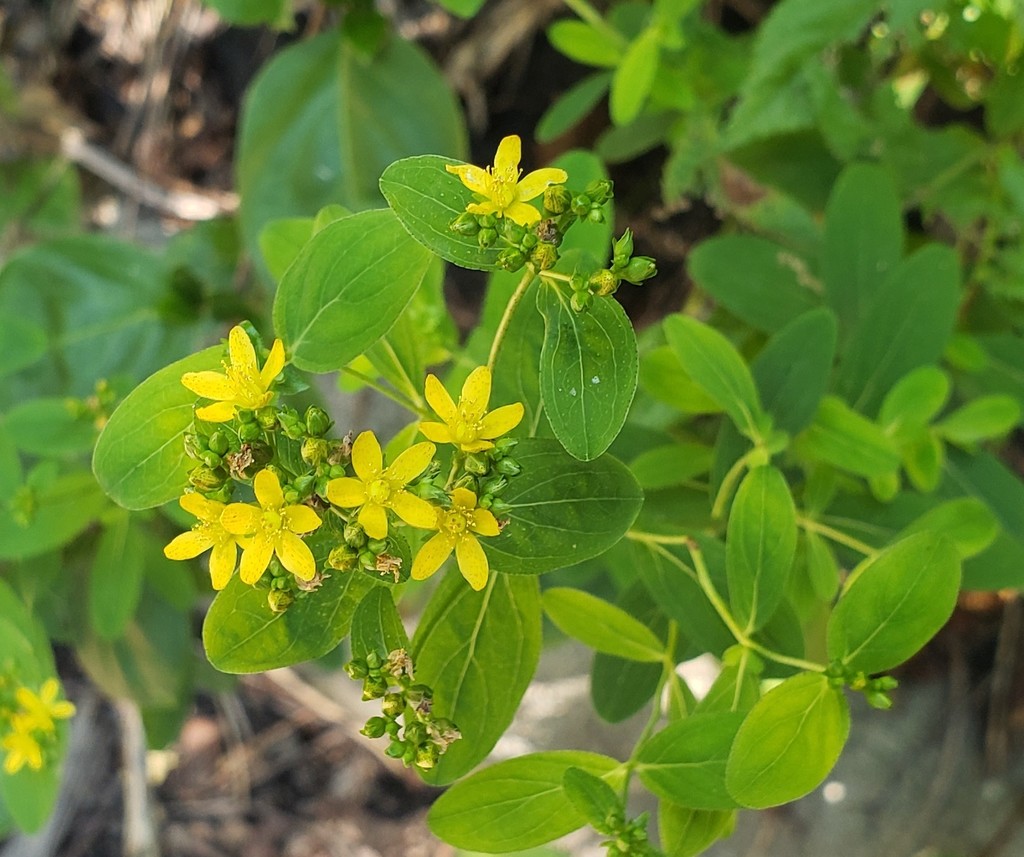
Spotted St. John's WortHypericum punctatum
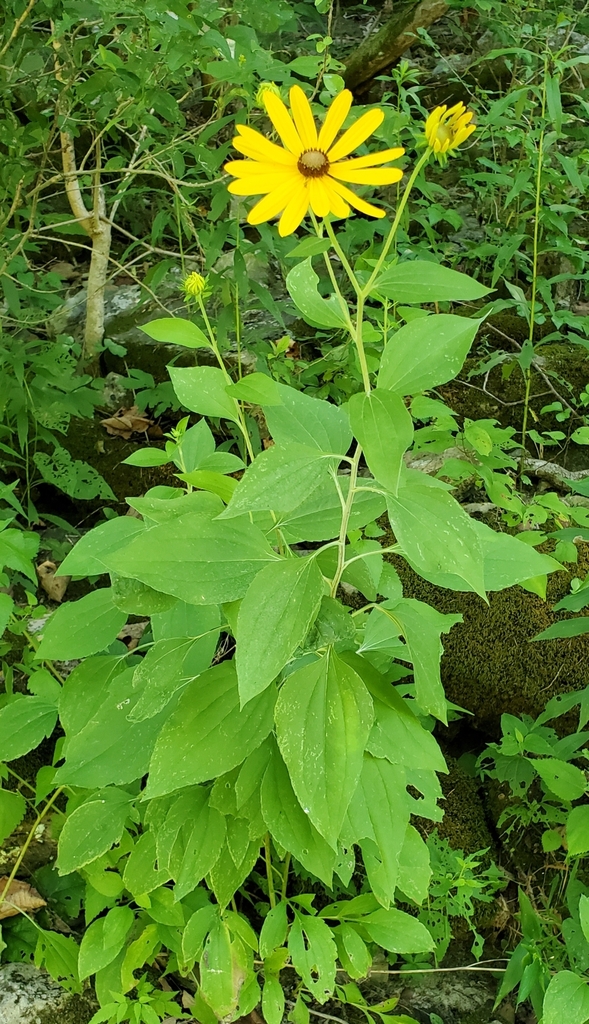
Sweet Black-eyed SusanRudbeckia subtomentosa
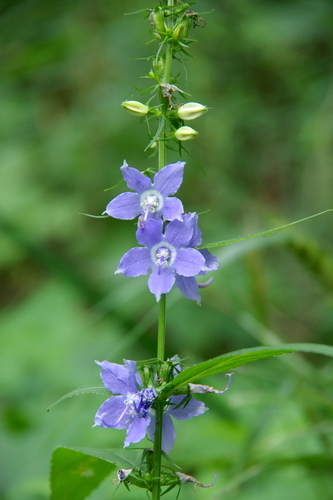
Tall BellflowerCampanulastrum americanum
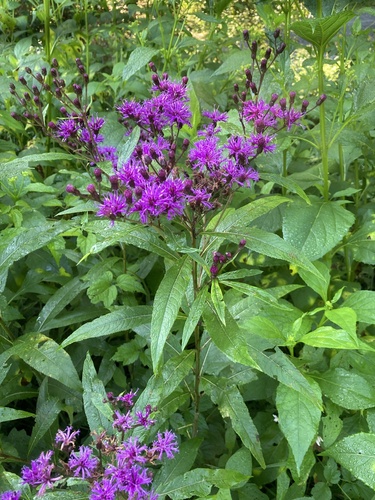
Tall IronweedVernonia gigantea
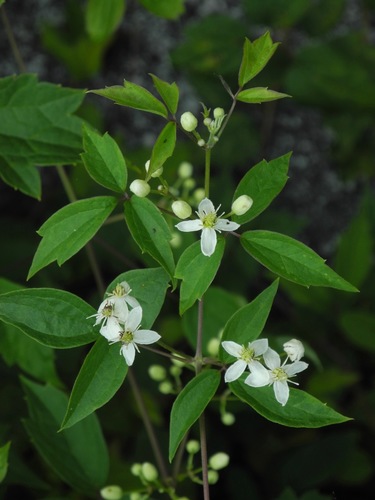
Virgin's BowerClematis virginiana
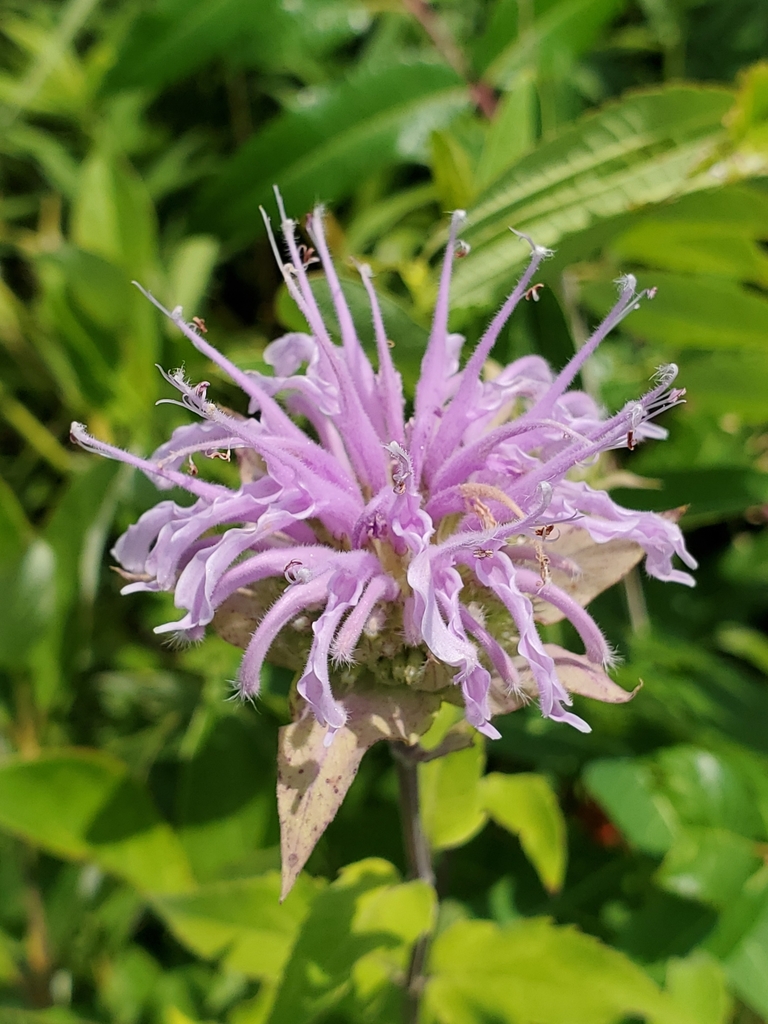
Wild BergamotMonarda fistulosa
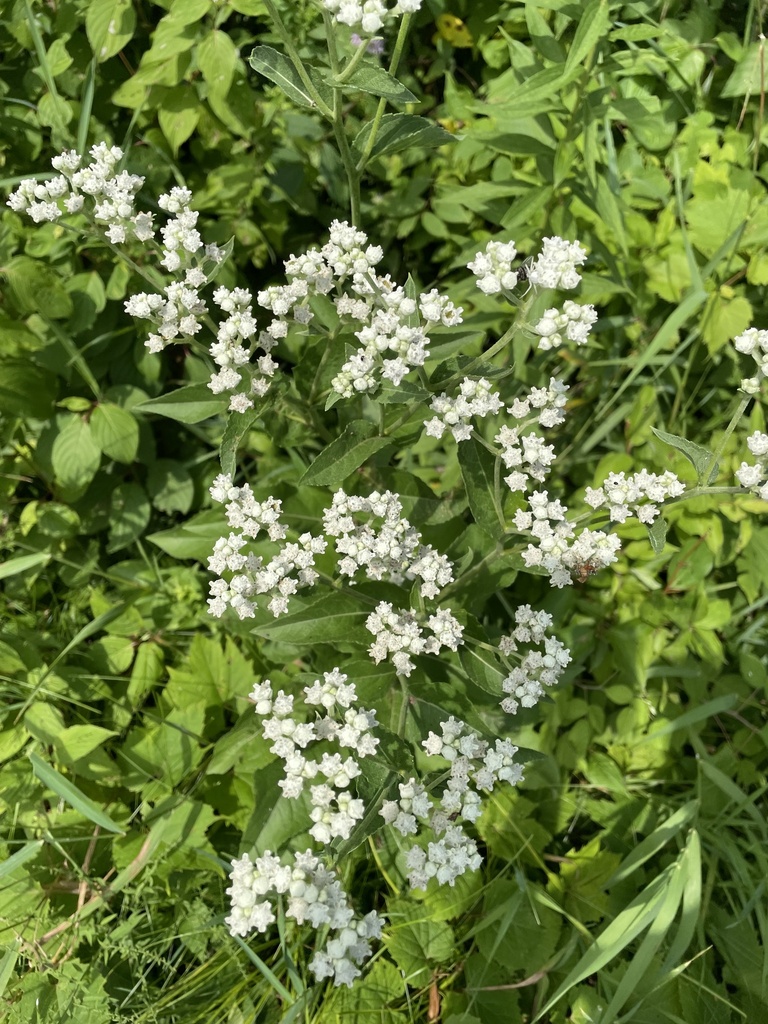
Wild QuinineParthenium integrifolium
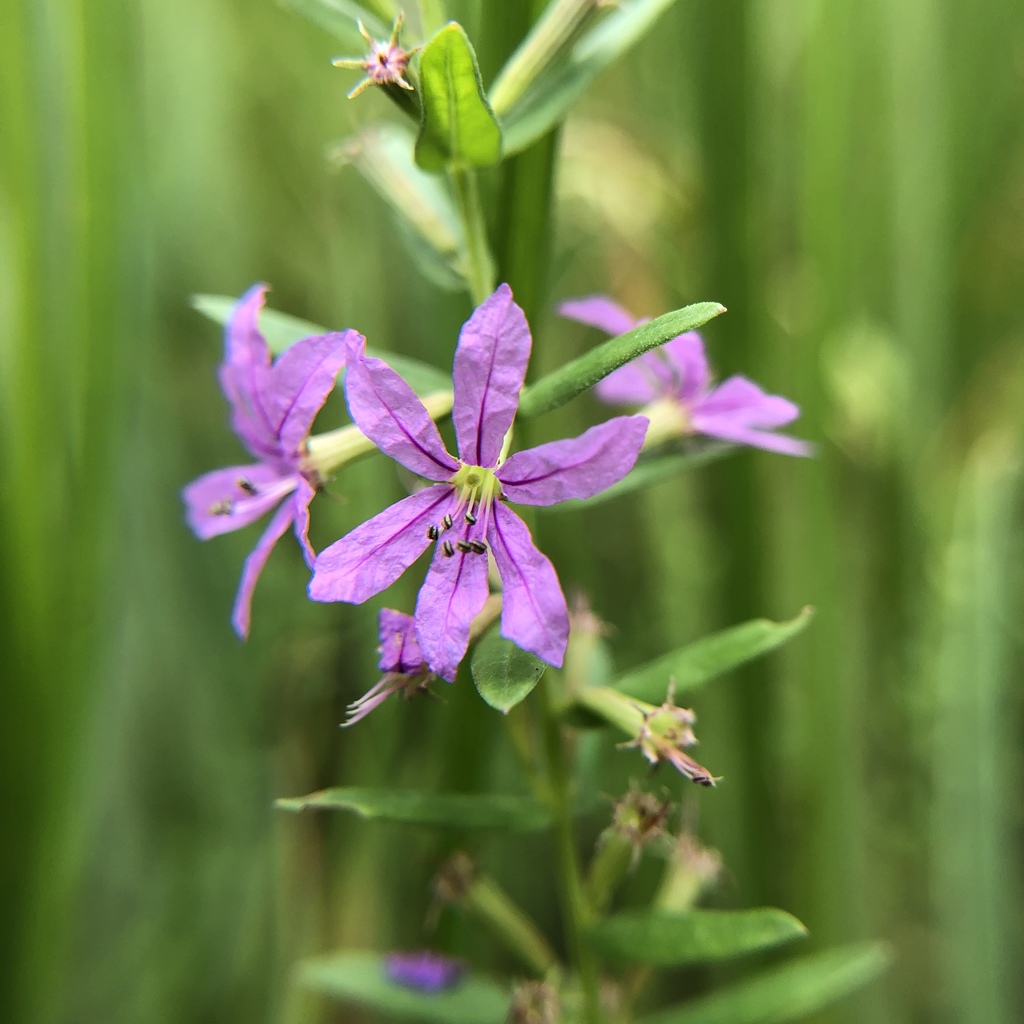
Winged LoosestrifeLythrum alatum
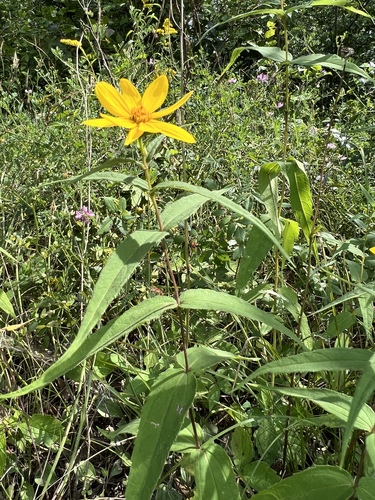
Woodland SunflowerHelianthus divaricatus
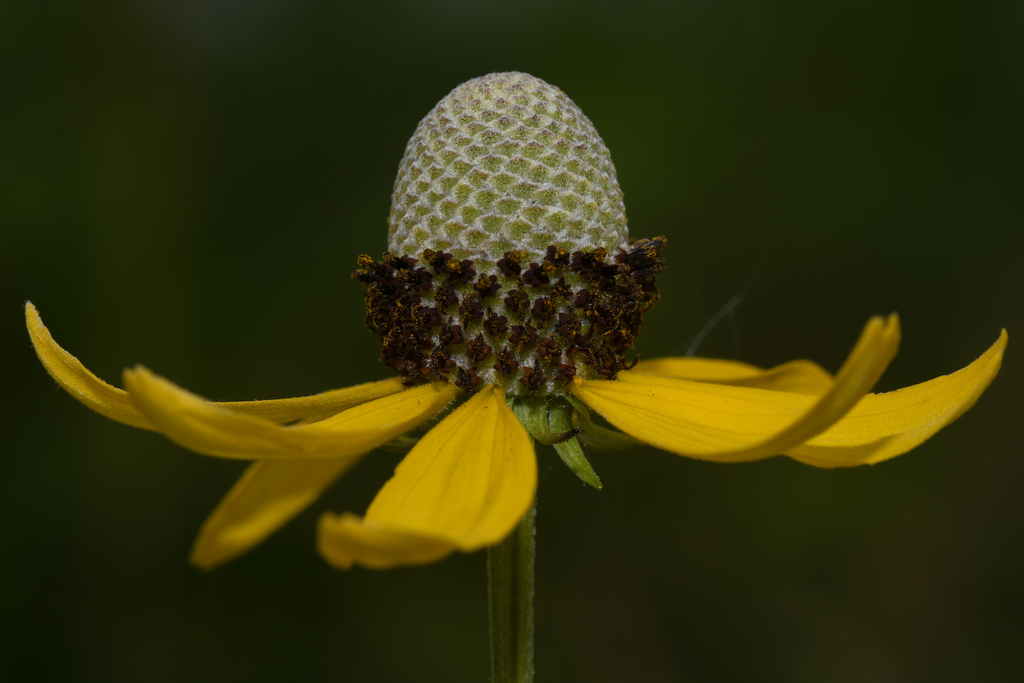
Yellow ConeflowerRatibida pinnata
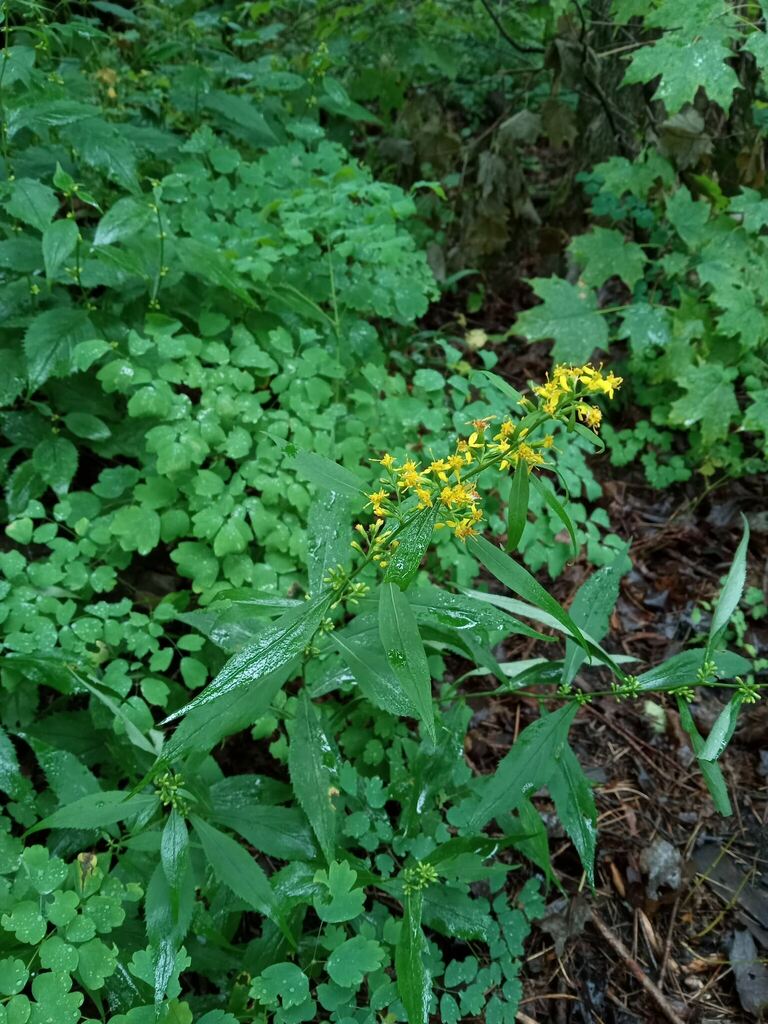
Zig Zag GoldenrodSolidago flexicaulis